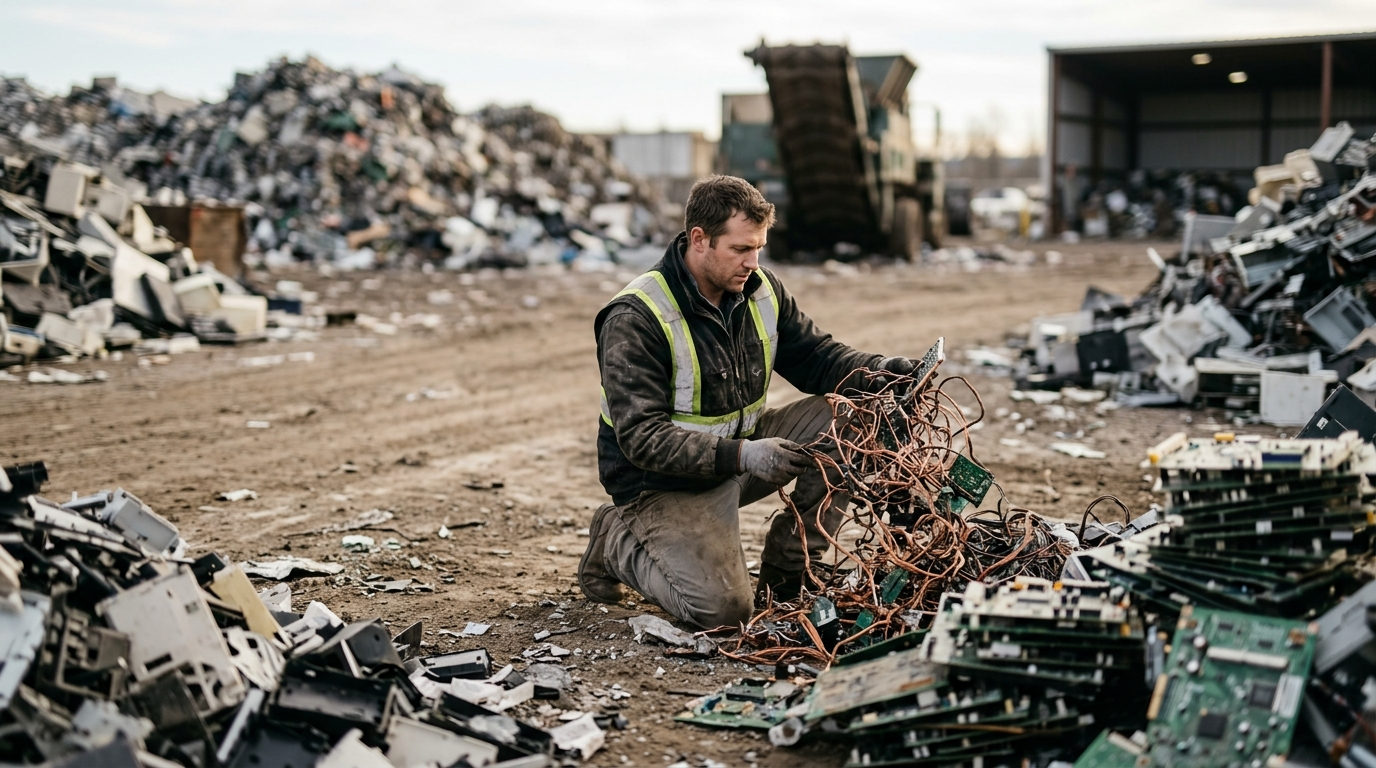
The latest Environmental Indicator Framework Theme J from the UK DEFRA Environment highlights critical aspects of resource use and waste, including e-waste recycling rates that are far below global targets. electronics recycling This matters for people who recycle electronics or care about e-waste because it highlights the urgent need for better management and disposal practices.
Last reviewed by Samantha Holloway on 21 August 2026
What Does the New Research Tell Us About E-Waste?
The new research indicates a significant gap between current e-waste recycling rates and international goals, with only 22.3% of global e-waste being formally recycled each year according to the UN Global E-Waste Monitor 2024. This statistic emphasizes the pressing need for improvements in electronics recycling infrastructure and consumer awareness.
According to the UN Global E-Waste Monitor 2024, The world generated 62 million tonnes of e-waste in 2022, up 82% from 2010.
How Does This Affect Electronics Recycling?
This affects electronics recycling by highlighting areas where more efficient collection, processing, and recovery systems are needed. For instance, Europe aims to collect 65% of all WEEE products placed on the market, but current global rates fall short, indicating a major challenge for electronics recyclers.
What Are Some Key Statistics from the Report?
The report includes data showing that 1 million smartphones contain approximately 35kg of gold and 340kg of silver. This highlights the valuable resources embedded in electronic devices that can be recovered through proper recycling practices. Additionally, the global e-waste generation reached 62 million tonnes per year as reported by the UN Global E-Waste Monitor 2024.
What Are The Implications for Consumers and Businesses?
Consumers and businesses must take responsibility for their role in managing e-waste sustainably. For example, the US generates about 6.92 million tonnes of e-waste annually, making responsible disposal critical. Recycling not only reduces environmental impact but also supports the circular economy by recovering valuable materials.
According to the European Parliament, less than 1% of rare earth elements in e-waste are currently recycled.
How Can Governments and NGOs Help?
Governments and NGOs can help by implementing stricter regulations like the WEEE Directive in the EU or promoting initiatives such as urban mining to recover precious metals from old electronics. These efforts encourage manufacturers to design more recyclable products, which benefits both environmental sustainability and economic recovery.
What Should Individuals Do Now?
Individuals should start by learning about local e-waste recycling facilities and ensuring their devices are disposed of properly. Visiting sites like eCycling Central can provide guidance on where to recycle specific items safely, such as batteries or solar panels.
By taking these steps, everyone plays a part in improving global e-waste management practices and reducing the environmental impact of electronic devices.
Sources
- UN Global E-Waste Monitor 2024
- European Parliament
- WEEE Forum