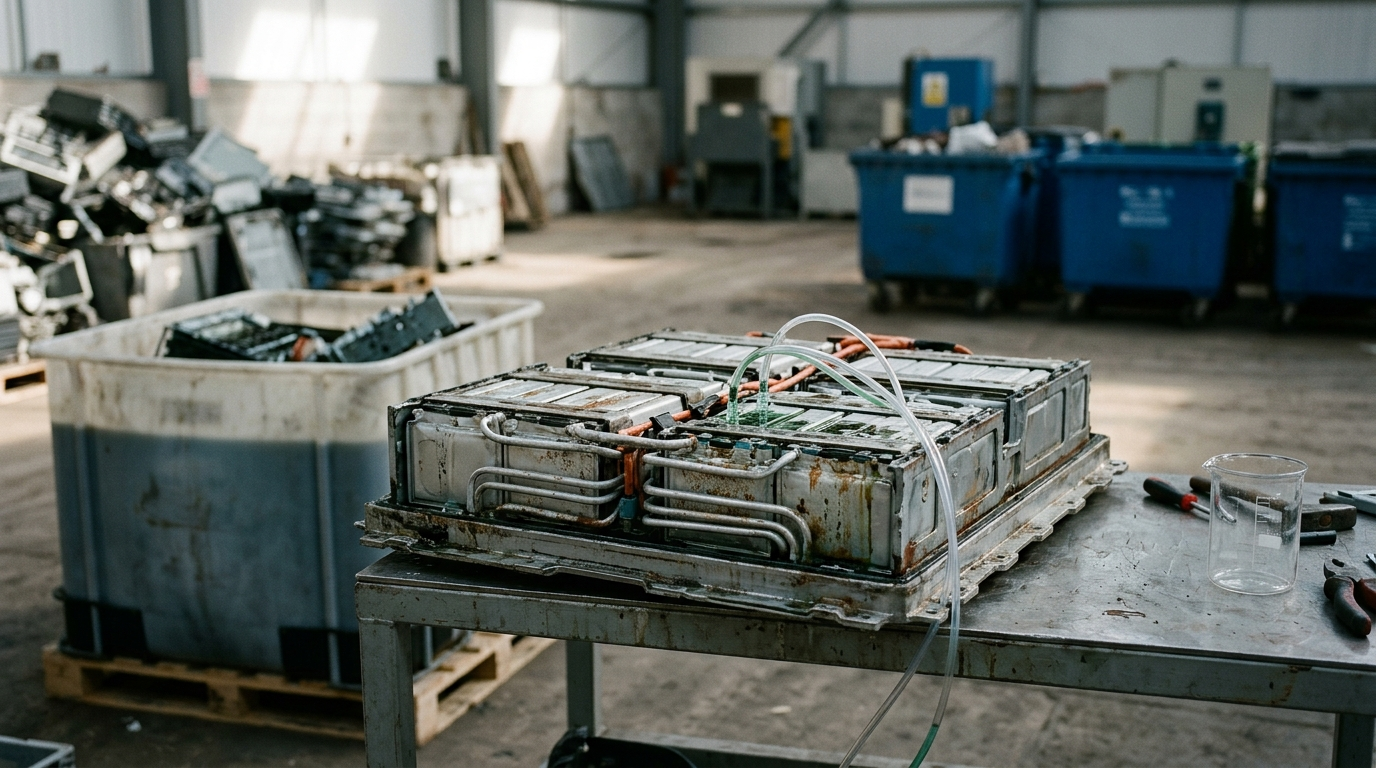
Altilium was recently granted a UK patent for an innovative process to recycle EV batteries, marking a significant step forward in the sustainable disposal of e-waste. This development is important because it addresses one of the most pressing issues facing electronics recycling-how to responsibly manage the growing volume of lithium-ion batteries from electric vehicles (EVs).
Last reviewed by Samantha Holloway on 06 August 2026
What Does This Mean for Electronics Recycling?
This patent means that Altilium's process will likely improve the efficiency and effectiveness of recycling EV batteries, reducing environmental impact and recovering valuable materials. As more people transition to EVs, the number of batteries needing disposal is expected to increase dramatically.
The new process focuses on extracting critical metals like lithium. Cobalt, nickel, and manganese from spent batteries in a cost-effective manner. This is particularly important since these metals aren't only expensive but also often come with environmental and ethical concerns tied to their extraction processes. With the global market for lithium-ion batteries projected to reach 2.5 TWh by 2030, efficient recycling methods are important.
According to the UNEP, A single tonne of circuit boards contains 40-800 times more gold than a tonne of ore.
In August 2026, this patent is part of a broader shift towards more sustainable practices in electronics recycling. The process developed by Altilium could set a new standard for how EV batteries should be recycled and managed at the end of their lifecycle. electronics recycling also aligns with global efforts to promote circular economy principles and reduce reliance on virgin materials.
How Does This Affect E-Waste Management?
This patent directly impacts e-waste management by offering a more viable option for recycling lithium-ion batteries, which are among the most challenging components in
electronic waste due to their chemical composition. The ability to recycle these batteries efficiently can significantly decrease landfill waste and environmental pollution caused by improper disposal.
With only 22.3% of global e-waste being formally recycled (UN Global E-Waste Monitor 2024), any advancement that improves recycling rates is critical. Altilium's patent addresses the gap between what's generated as waste and what can be sustainably managed, potentially raising the bar for electronic devices with high-tech batteries.
According to the WHO, improper e-waste disposal releases toxic substances including lead, mercury, and cadmium into soil and water.
What Are the Environmental Benefits?
The environmental benefits of this new recycling process are substantial. By enabling more effective recovery of valuable materials from spent EV batteries, it reduces the need to mine for fresh resources. This is especially important given that mining can have severe ecological consequences, such as habitat destruction and water pollution.
For context, a million smartphones contain approximately 35kg of gold, 340kg of silver, and 15kg of palladium (UN Global E-Waste Monitor 2024). The same principles apply to EV batteries. Recycling these resources conserves natural resources and reduces the carbon footprint associated with extraction and manufacturing.
How Does This Impact Regulations?
This innovation will likely influence future regulations related to battery disposal and recycling. As countries like the EU set ambitious targets for WEEE (Waste Electrical and Electronic Equipment) collection, reaching 65% of electronics placed on the market by a certain year, such advancements could play a important role in meeting these goals.
Regulations like the WEEE Directive in Europe already mandate proper disposal and recycling practices. Altilium's patent could provide a model for more stringent or expanded regulations that include specific requirements for EV [battery recycling](/guides/how-to-recycle-ev-and-e-bike-batteries) processes.
What Should Consumers Do Now?
Consumers should be aware of their options when it comes to disposing of old electronics, especially those with lithium-ion batteries. Check local resources for certified e-waste recyclers and facilities equipped to handle the disposal of batteries safely and responsibly. Additionally, staying informed about advancements in battery recycling can help ensure that they're contributing positively to environmental sustainability efforts.
For more information on responsible e-waste management practices, visit eCycling Central for guides on how to recycle electronics properly and understand concepts like the circular economy (circular-economy-and-electronics) or battery recycling ([battery-recycling]).
According to the UN Global E-Waste Monitor 2024, The world generated 62 million tonnes of e-waste in 2022, up 82% from 2010.
Sources
- UNEP
- WHO
- UN Global E-Waste Monitor 2024