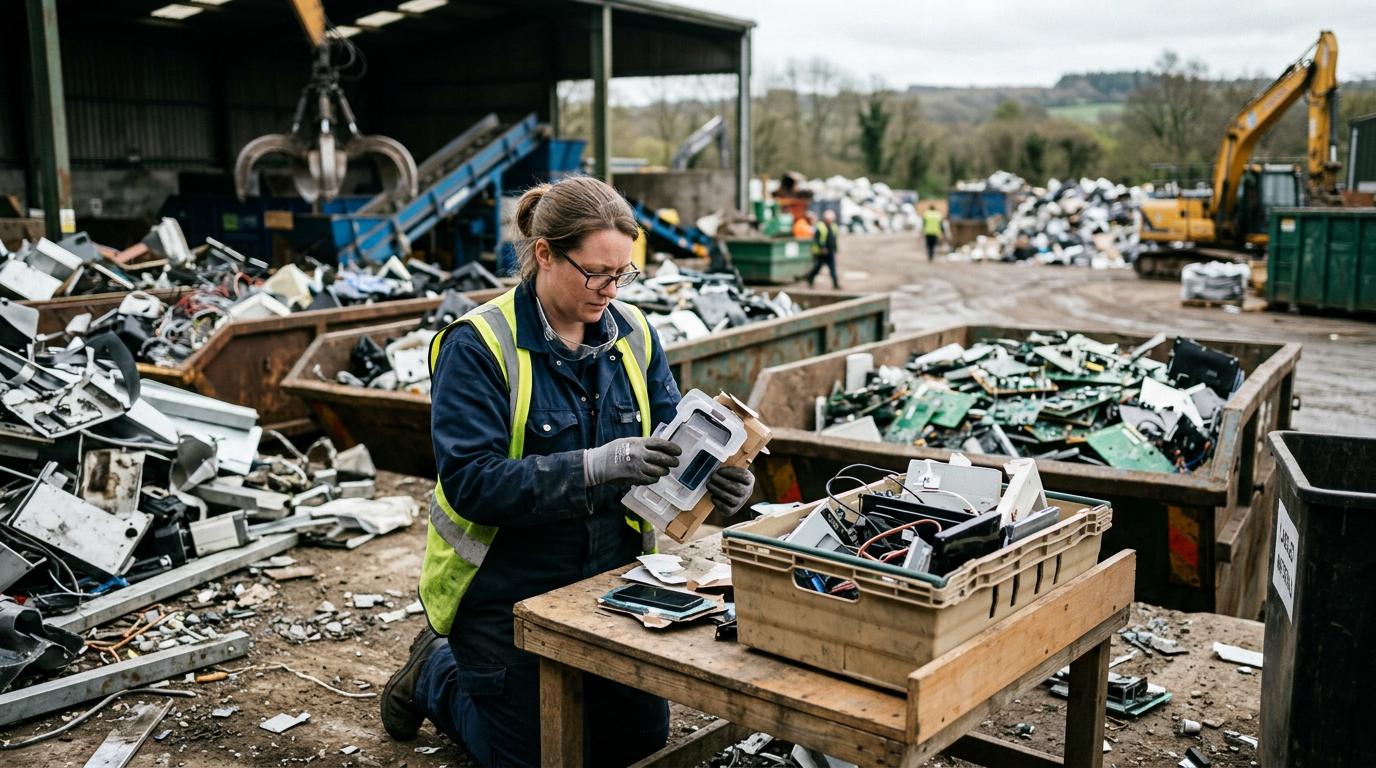
Under extended producer responsibility (EPR) for packaging, large producers must now use the RAM to assess packaging recyclability and report the results to environmental regulators by July 2026. This shift has significant implications for how companies manage their waste streams and can influence consumer choices regarding electronics recycling.
Last reviewed by Samantha Holloway on 01 July 2026
The Assess packaging recyclability: recyclability assessment methodology (RAM) 2027, introduced in July 2026, aims to improve the sustainability of product packaging by ensuring that manufacturers take a proactive approach towards reducing environmental impact. This regulation mandates companies to evaluate their packaging materials for recyclability and report these assessments annually.
One key aspect is the push for more sustainable design practices. Companies must now consider how easily their products can be recycled or reused, which directly impacts electronics recycling by encouraging manufacturers to use fewer hazardous materials and promote easier dismantling processes. For instance, if a company uses less toxic packaging material, it reduces risks during e-waste processing.
According to the World Economic Forum, e-waste is the fastest-growing waste stream globally.
The environmental regulator's mandate for companies to submit assessments means that transparency about recyclability will increase. This move is important as only 22.3% of global e-waste is formally recycled worldwide each year-highlighting the urgent need for better practices in product design and material choice.
By July 2026, producers who fail to comply with these new standards risk fines or other penalties. Such enforcement measures are expected to drive significant changes across industries, encouraging companies to innovate and adopt greener materials. For example, manufacturers might start using biodegradable plastics instead of traditional petroleum-based ones, which have a lower environmental footprint.
How Does This Affect Electronics Recycling?
This regulation affects electronics recycling by pushing companies towards more sustainable packaging choices that are easier to recycle or reuse. It encourages the use of fewer hazardous materials and simpler designs for dismantling, improving overall recyclability rates.
For instance, electronics manufacturers will need to rethink how they package products like smartphones and laptops. These devices often contain valuable metals such as gold, silver, and palladium-1 million phones can yield 35kg of gold and 340kg of silver-which are critical for recycling efforts. Simplified packaging could mean less waste during disassembly.
The RAM 2027 also supports the broader goal of a circular economy by promoting product design that considers end-of-life management from the outset. At Assess packaging recyclability: recyclability assessment methodology (RAM) 2027, this aligns with initiatives like the EU's [WEEE Directive](/regulations/weee-directive-eu), which aims to increase e-waste collection rates across Europe. The directive sets targets for member states to collect at least 65% of electronics placed on the market.
According to the Apple Environmental Report 2024, apple recovered over 1 tonne of gold from recycled devices in 2023.
What Are the Key Regulations Driving Change?
Key regulations driving change include the EU's WEEE Directive and national EPR laws like those in the UK and US. These frameworks set out clear guidelines for waste management, including requirements for producers to take responsibility for their products' entire lifecycle.
In addition to these directives, other regulations such as RoHS (Restriction of Hazardous Substances) play a role by restricting the use of harmful chemicals in electronics manufacturing. This ensures that fewer toxic materials end up in e-waste streams, making recycling safer and more efficient.
According to the BankMyCell 2024, iPhones retain trade-in value better than Android phones, losing ~40% in year 1 vs ~55%.
How Can Consumers Benefit?
Consumers can benefit from better product design and packaging choices made under RAM 2027 regulations. More recyclable products mean less waste generation and lower environmental impacts. Additionally, improved transparency through these assessments allows informed purchasing decisions based on sustainability criteria.
For example, consumers might see more products with clear labels indicating their recyclability status or certifications showing compliance with sustainable standards. This information helps buyers to choose eco-friendly options over those that contribute to landfill waste or hazardous material disposal issues.
What Should Companies Do Now?
Companies should start by reviewing current packaging materials and evaluating them against RAM 2027 criteria. They need to identify areas where improvements can be made, such as reducing plastic use or opting for biodegradable alternatives. Engaging with recycling facilities to understand what works best in real-world scenarios is also important.
integrating sustainability into product design from the outset will help meet compliance requirements while building innovation around circular economy principles. Collaborating with stakeholders across supply chains can further enhance efforts towards responsible waste management practices.
By taking proactive steps now, companies not only adhere to legal obligations but also position themselves favourably in an increasingly eco-conscious market. At Assess packaging recyclability: recyclability assessment methodology (RAM) 2027, this approach aligns well with broader trends toward urban mining-recovering valuable materials from discarded electronics-and supports initiatives like the right-to-repair movement aimed at extending product lifespans through easier maintenance and upgrades.
In summary, the RAM 2027 regulation marks a key moment for how we think about packaging and its role in sustainable electronics recycling. As companies adapt to these new standards, the benefits extend beyond compliance to include enhanced environmental stewardship and consumer trust.
For more information on e-waste management practices and regulations, visit our guides on right-to-repair and circular economy.
Sources
- World Economic Forum
- Apple Environmental Report 2024
- BankMyCell 2024