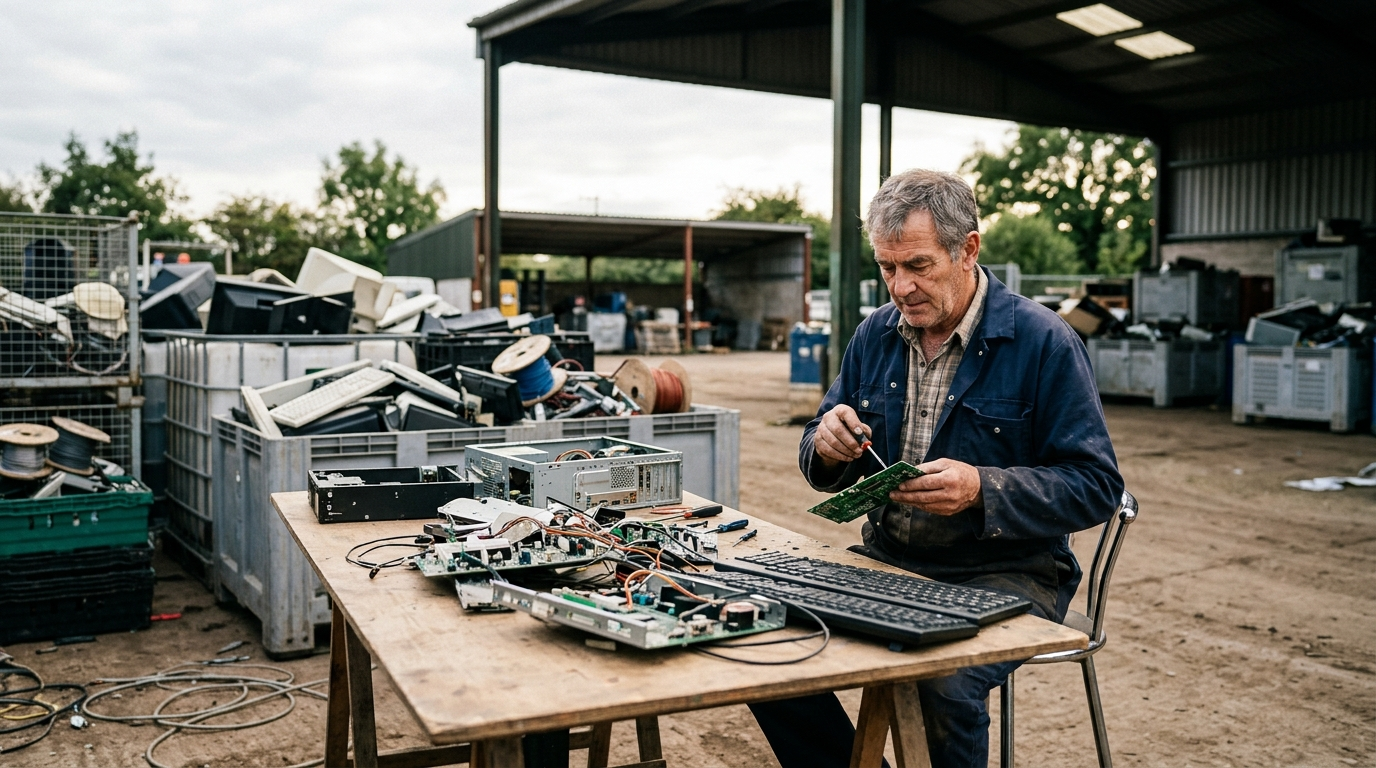
The UK Environment Agency has updated its guidelines for becoming an approved authorized treatment facility (AATF) for waste electrical and electronic equipment (WEEE), effective September 2026, ensuring safer disposal of e-waste.
Last reviewed by Samantha Holloway on 01 September 2026
How Does This Affect Electronics Recycling?
This update aims to streamline the process for companies looking to join the WEEE system in the UK. The new guidelines provide clearer instructions on how to apply and operate legally under the
WEEE Directive, benefiting both recyclers and consumers by improving safety standards and environmental protection measures.
Electronics recycling is becoming increasingly important as global e-waste reaches 62 million tonnes annually, according to the UN Global E-Waste Monitor 2024. With only 22.3% of this waste being formally recycled worldwide, initiatives like these in the UK are important for improving recovery rates and reducing environmental impact.
According to the Consumer Technology Association, The average US household has 21 unused electronic devices.
The new guidelines emphasize the need for authorized treatment facilities to adhere strictly to safety standards and waste management practices outlined by the WEEE Directive and RoHS regulations. This ensures that hazardous materials within electronics are handled properly during recycling processes, preventing harmful substances from entering ecosystems.
What Are the New Guidelines?
Starting September 2026, companies must follow updated application procedures and maintain stringent operational guidelines to be recognized as AATFs in the UK. These changes include enhanced reporting requirements on handling and treating WEEE waste, ensuring transparency and accountability within the industry.
The latest updates also focus on encouraging proper recycling practices for a variety of electronic devices. For instance, smartphones contain over 60 different elements, including significant amounts of precious metals like gold (35kg in 1 million phones) and silver (340kg). Effective recycling not only reduces landfill waste but also recovers valuable materials that can be reused in manufacturing new electronics.
According to the Counterpoint Research, The global refurbished smartphone market was worth $49.3 billion in 2023.
How Will This Improve Recycling Efforts?
The improvements will lead to better management of WEEE, which is important given the rapid growth in e-waste generation. In 2025, the US alone produced an estimated 6.92 million tonnes of
electronic waste, highlighting the urgency for strong recycling frameworks.
By setting stricter standards and providing clearer pathways for companies to become AATFs, the UK Environment Agency aims to boost overall WEEE collection rates, which are targeted at a minimum of 65% in the EU according to the WEEE Directive. This aligns with broader efforts towards achieving circular economy goals, promoting sustainable practices throughout the lifecycle of electronics.
What Should Recyclers Do Now?
Companies interested in becoming authorized treatment facilities should review and adhere to the updated guidelines provided by the UK Environment Agency. Familiarizing oneself with new requirements and operational best practices can help streamline compliance processes and ensure environmental responsibility.
For individuals disposing of old devices, it's important to seek out certified recycling centers that meet these standards. Proper disposal not only prevents potential harm but also contributes positively to urban mining efforts and material recovery initiatives.
To learn more about the right-to-repair movement and its implications for electronics sustainability, check our guide on [right to repair](/guides/right-to-repair-what-it-means). Understanding your rights can help you to make informed choices regarding device maintenance and disposal.
Sources
- Consumer Technology Association
- Counterpoint Research
- UN Global E-Waste Monitor 2024