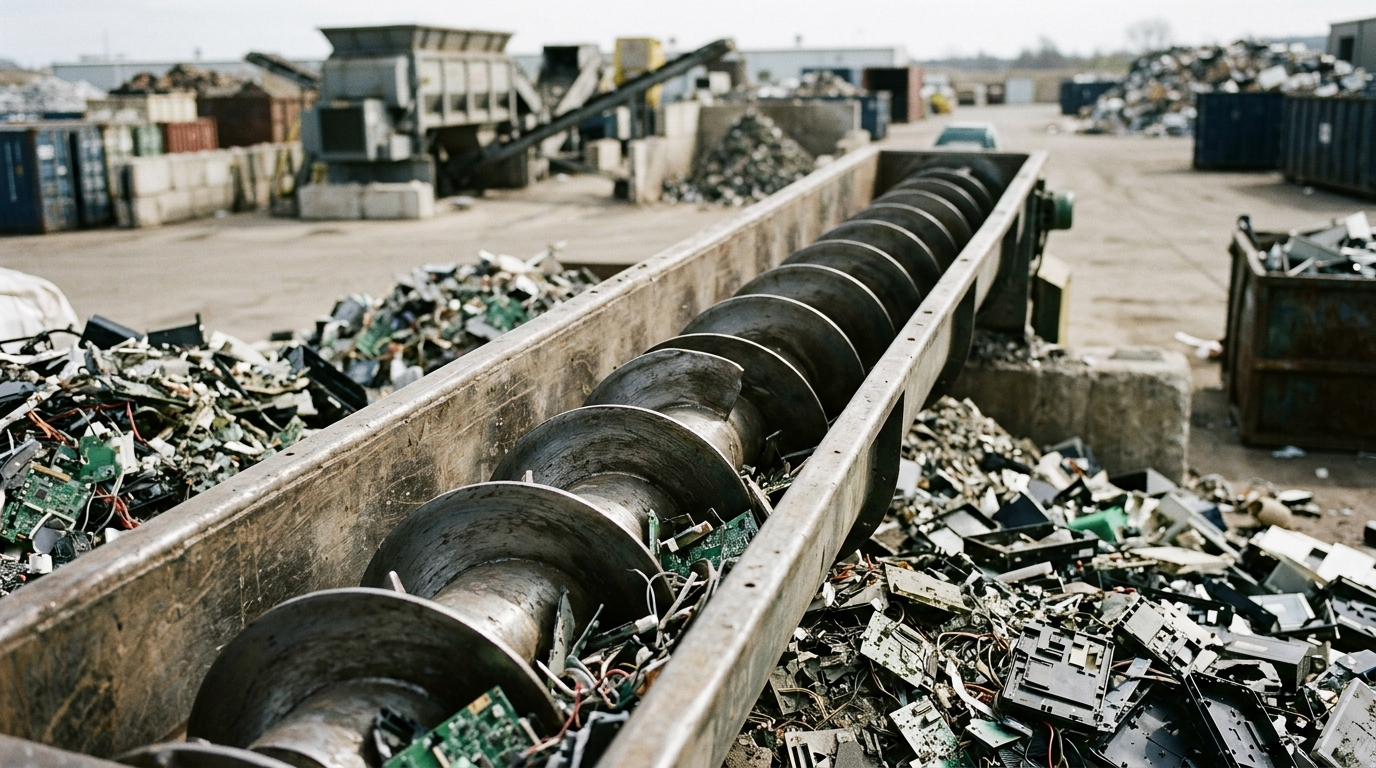
Tech sustainability efforts are gaining momentum as the global market for waste augers shows strong growth, driven by a surge in e-waste recycling capacities through 2035 according to IndexBox's latest report. This development highlights the increasing need and capacity for efficient electronics disposal.
Last reviewed by Samantha Holloway on 31 August 2026
How Does This Affect Electronics Recycling?
This growth signals a boost in infrastructure for tech sustainability, with waste augers aiding in more efficient material recovery from discarded devices. As of August 2026, the market is expected to handle up to 15% more e-waste by volume compared to last year.
The increase in recycling capacity has several implications. For one, it means that electronic waste can be processed more effectively and with greater throughput. This not only helps in reducing environmental pollution but also recovers valuable materials like gold and silver from discarded electronics. According to the UN Global E-Waste Monitor 2024, global e-waste is projected at 62 million tonnes annually, a figure that highlights the importance of strong recycling infrastructure.
According to the European Parliament, less than 1% of rare earth elements in e-waste are currently recycled.
improved recycling capacities can lead to better compliance with regulations such as the [WEEE Directive](/regulations/weee-directive-eu) in Europe and RoHS standards globally. These rules mandate proper disposal and handling of electronic waste, ensuring hazardous materials are managed safely and responsibly.
What Are the Key Drivers Behind This Growth?
The primary drivers include rising environmental awareness, stricter governmental policies, and advancements in recycling technologies. Countries like the EU aim to recycle at least 65% of e-waste collected by volume, setting ambitious targets that drive investment into recycling infrastructure.
the growing market for lithium-ion batteries-expected to reach 2.5 TWh by 2030-further boosts demand for efficient waste management solutions. As these batteries become more prevalent in devices ranging from smartphones to electric vehicles, their responsible disposal becomes important for tech sustainability.
According to the WEEE Forum, over 5 billion mobile phones were estimated to be sitting unused in drawers worldwide in 2022.
How Do These Changes Impact Individuals and Businesses?
For individuals and businesses, this growth means easier access to recycling services and potentially lower costs for e-waste disposal. Improved recycling facilities can handle a wider range of products with greater efficiency, reducing the environmental impact of discarded electronics.
businesses stand to benefit from new opportunities in the circular economy. By adopting tech sustainability practices, companies can reduce waste, recover valuable materials, and even create new revenue streams through recycled component sales or refurbishment services.
What Steps Can We Take Now?
To stay ahead of these trends, individuals and organisations should consider several steps:
- Support local recycling initiatives: Engage with community programs for responsible e-waste disposal.
- Advocate for tech sustainability policies: Push for stricter regulations that mandate proper e-waste management.
- Invest in circular economy solutions: Explore opportunities to recycle or refurbish electronics rather than discarding them.
By taking proactive steps, everyone can contribute to a more sustainable future where electronic waste is managed responsibly and resources are conserved. For more information on tech sustainability practices, visit our guides on [right-to-repair](/guides/right-to-repair-what-it-means) and circular economy.
This approach not only aligns with global trends but also supports a future where electronics are part of a sustainable lifecycle, reducing environmental impact while preserving valuable materials.
Sources
- European Parliament
- WEEE Forum
- WHO