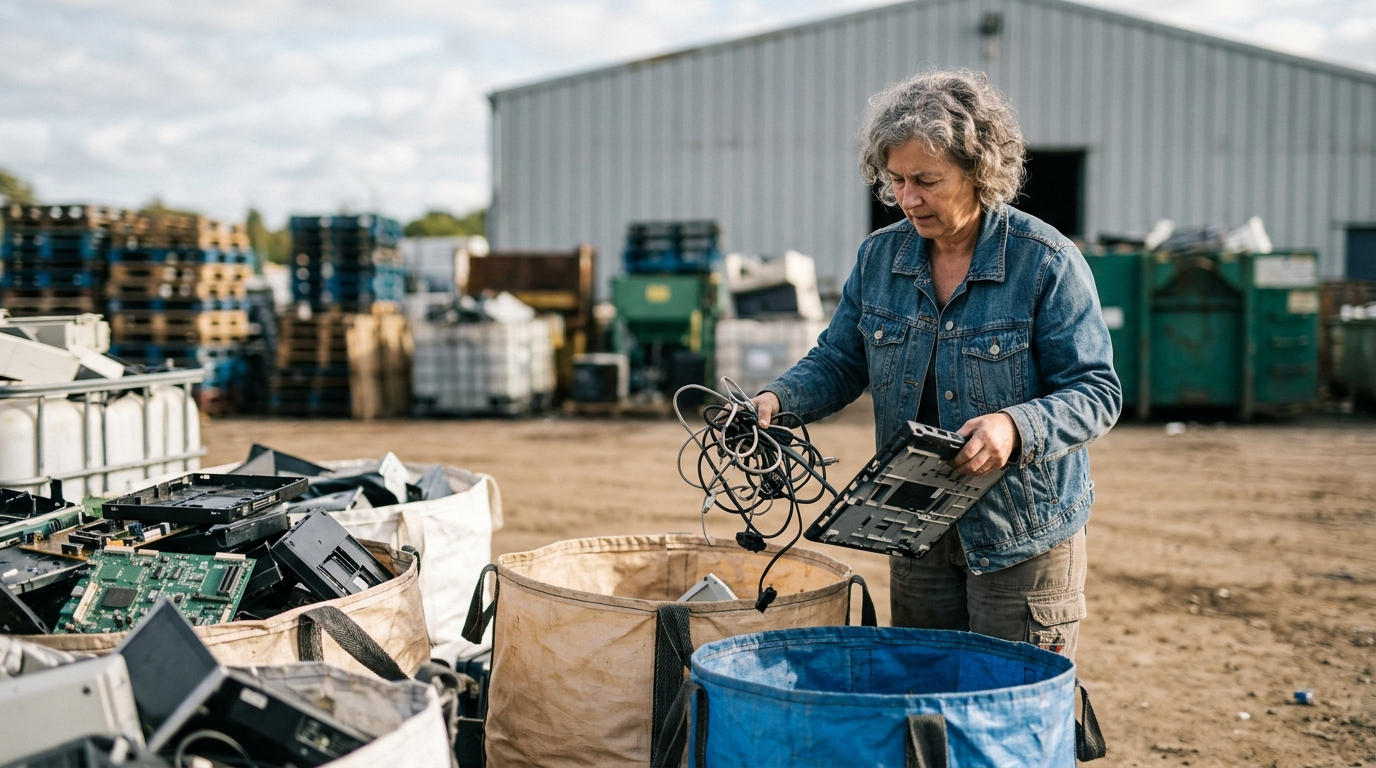
Back Market, a prominent platform for refurbished electronics, recently launched an ad campaign featuring the company's founder putting his mother's life on the line to highlight the importance of extending product lifespans and reducing e-waste.
Last reviewed by Samantha Holloway on 27 August 2026
The campaign aims to raise awareness about the environmental impact of electronic waste (e-waste) and how recycling and refurbishing can mitigate these effects. In August 2026, the ad has garnered significant attention due to its bold approach.
How Does This Affect Electronics Recycling?
This campaign highlights the urgent need for sustainable practices in electronics recycling. By showcasing the environmental benefits of extending product lifespans, Back Market aims to encourage consumers to choose refurbished devices over new ones.
The UN Global E-Waste Monitor 2024 reports that global e-waste amounts to 62 million tonnes per year, with only about 22.3% being formally recycled worldwide. This statistic highlights the importance of initiatives like Back Market's campaign in promoting responsible recycling and disposal.
What Are the Key Messages?
The ad emphasizes two main messages: the environmental impact of producing new electronics versus refurbishing existing ones and the economic benefits of extending product lifespans.
According to a study by the Ellen MacArthur Foundation, the average smartphone contains over 60 different elements, including precious metals like gold (35kg per million phones) and silver (340kg). By refurbishing rather than discarding these devices, we can recover valuable resources more effectively.
How Can Consumers Participate?
Consumers can contribute by opting for refurbished electronics instead of buying new ones. This not only reduces the demand for raw materials but also supports a
circular economy.
The EU WEEE Directive sets collection targets at 65% of all electrical and electronic equipment placed on the market, illustrating the regulatory push towards more sustainable practices in electronics recycling.
What Are the Broader Implications?
This campaign aligns with broader efforts to address
planned obsolescence and promote the
right-to-repair movement. By extending product lifespans, consumers can reduce their environmental footprint significantly.
In the U.S., e-waste generation stands at 6.92 million tonnes annually. Initiatives like Back Market's help to channel these discarded devices into recycling programs rather than landfills.
What Should Consumers Do Now?
To start making a difference, individuals should explore options for refurbishing their electronics or purchasing refurbished products.
For instance, websites dedicated to e-waste and urban mining can provide guidance on where to recycle old devices safely. Additionally, understanding the restrictions set by regulations like RoHS (Restriction of Hazardous Substances) ensures that recycled materials meet safety standards.
By engaging with platforms like Back Market and adhering to guidelines for responsible disposal, consumers play a important role in supporting sustainable electronics practices. Visit e-waste to learn more about the environmental impact of electronic waste. For detailed information on how to recycle batteries safely, check out our guide on [battery recycling](/guides/how-to-recycle-batteries-safely).
Sources
- Royal Society of Chemistry
- BankMyCell depreciation tracker
- UNEP