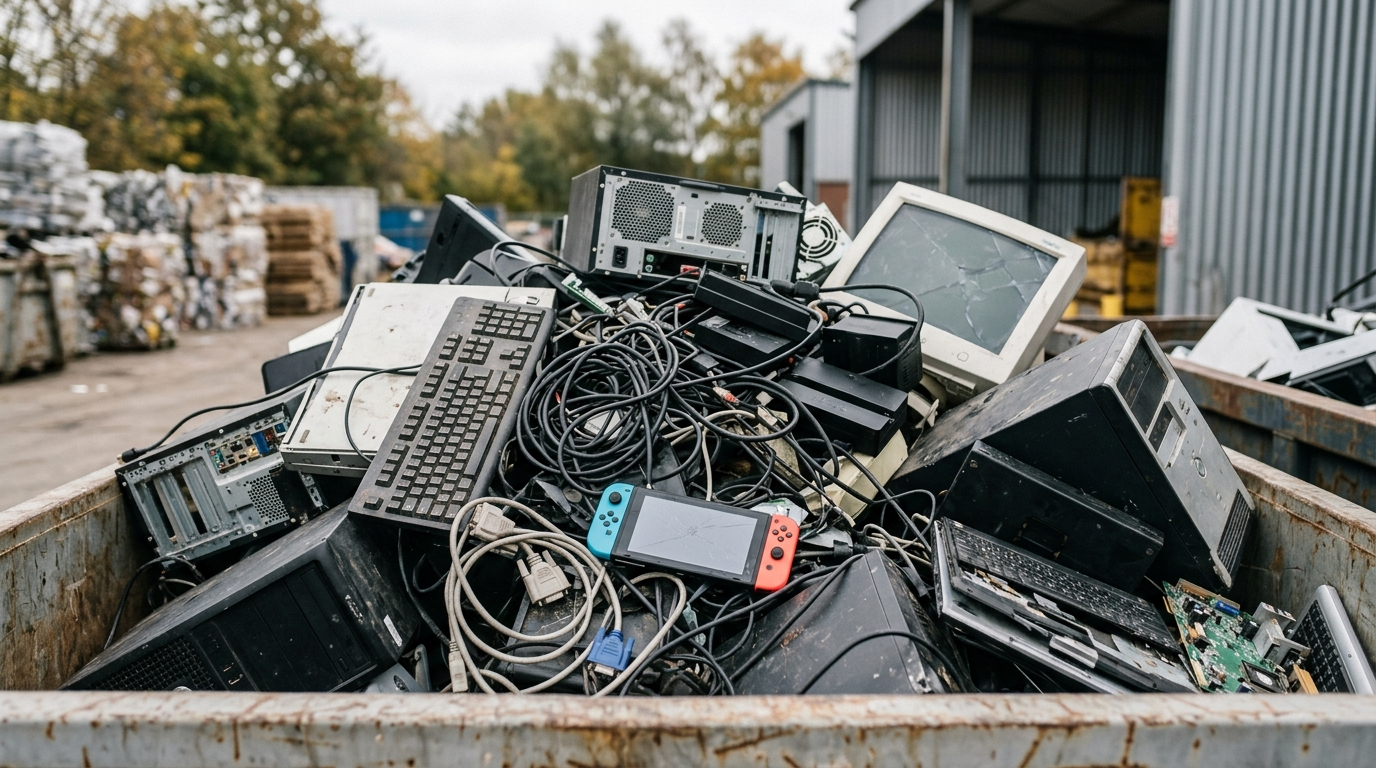
Back Market, a leading electronics resale platform, recently announced that it would offer a $229 trade-in value for Switch devices during the upcoming Dorm Week in September 2026. This move is significant because it offers consumers an attractive incentive to recycle their old devices responsibly rather than letting them become part of the growing e-waste problem.
Last reviewed by Samantha Holloway on 18 September 2026
How Does This Affect Electronics Recycling?
This initiative by Back Market directly impacts electronics recycling by encouraging users to trade in their Switch consoles instead of discarding them improperly. By providing a clear economic benefit, it reduces the likelihood that these devices will end up in landfills or be shipped overseas without proper handling protocols.
According to the Royal Society of Chemistry, mobile phones contain up to 60 different elements, including critical raw materials.
In 2024, the UN Global E-Waste Monitor reported global e-waste at 62 million tonnes per year, with only 22.3% of this being formally recycled worldwide. Initiatives like Back Market's trade-in programs help increase these recycling rates by making it easier and more financially rewarding for consumers to participate in electronics recycling.
What Are the Environmental Benefits?
The environmental benefits are substantial: properly handled e-waste can yield valuable metals and materials that would otherwise be lost or released into the environment. For instance, 1 million smartphones contain about 35kg of gold and 340kg of silver-resources that can be recovered through responsible recycling practices.
According to the BankMyCell depreciation tracker, The average smartphone loses 35-45% of its trade-in value within the first year.
Improper disposal of electronics containing hazardous substances like lead and mercury poses serious risks to human health and ecosystems. By promoting trade-ins over disposals, Back Market helps mitigate these environmental hazards.
How Do Trade-In Programs Compare with Other Recycling Methods?
Trade-in programs differ from traditional drop-off recycling methods in that they provide immediate financial incentives for consumers to recycle their devices. Unlike donating a device to a charity or reselling it privately without receiving any value, trade-ins offer tangible benefits while still ensuring the product is recycled responsibly.
According to the UNEP, A single tonne of circuit boards contains 40-800 times more gold than a tonne of ore.
Trade-ins often come with warranties and guarantees on the refurbished products being sold back into the market, which can make them more appealing than simply discarding an old item. This dual benefit of economic gain and environmental responsibility makes trade-in programs like Back Market's particularly effective at driving higher recycling rates compared to other methods that might lack such incentives.
How Will This Affect Consumer Behavior?
Consumer behavior is likely to shift towards more sustainable practices as a result of this initiative. When people see the value in trading in their old electronics, they're less inclined to let these items accumulate or be discarded improperly. With 6.92 million tonnes of e-waste generated annually just in the US alone, programs like Back Market's have the potential to significantly reduce waste volumes through better consumer engagement.
What Are the Regulatory Implications?
Regulations such as the EU WEEE Directive require member states to achieve a collection rate of at least 65% of electrical and electronic equipment placed on the market. At electronics recycling, trade-in programs can help countries meet these targets by increasing participation in formal recycling channels rather than informal or illegal ones.
Initiatives like Back Market's align with broader goals set out in regulations aimed at reducing e-waste, promoting sustainable consumption patterns, and ensuring that hazardous materials are managed safely throughout their lifecycle.
What Should You Do Now?
If you own an older Nintendo Switch device, consider taking advantage of Back Market's trade-in offer during Dorm Week. By doing so, not only will you benefit from a $229 credit towards your next purchase but also contribute to reducing e-waste and supporting sustainable recycling practices.
For more information on electronics recycling and the importance of proper disposal methods, visit eCycling Central. Explore our guides on [urban mining](/glossary/urban-mining), [right-to-repair](/guides/right-to-repair-what-it-means), and [circular economy principles](/guides/circular-economy-and-electronics) to learn how you can further support sustainable tech consumption.
Sources
- Royal Society of Chemistry
- BankMyCell depreciation tracker
- UNEP