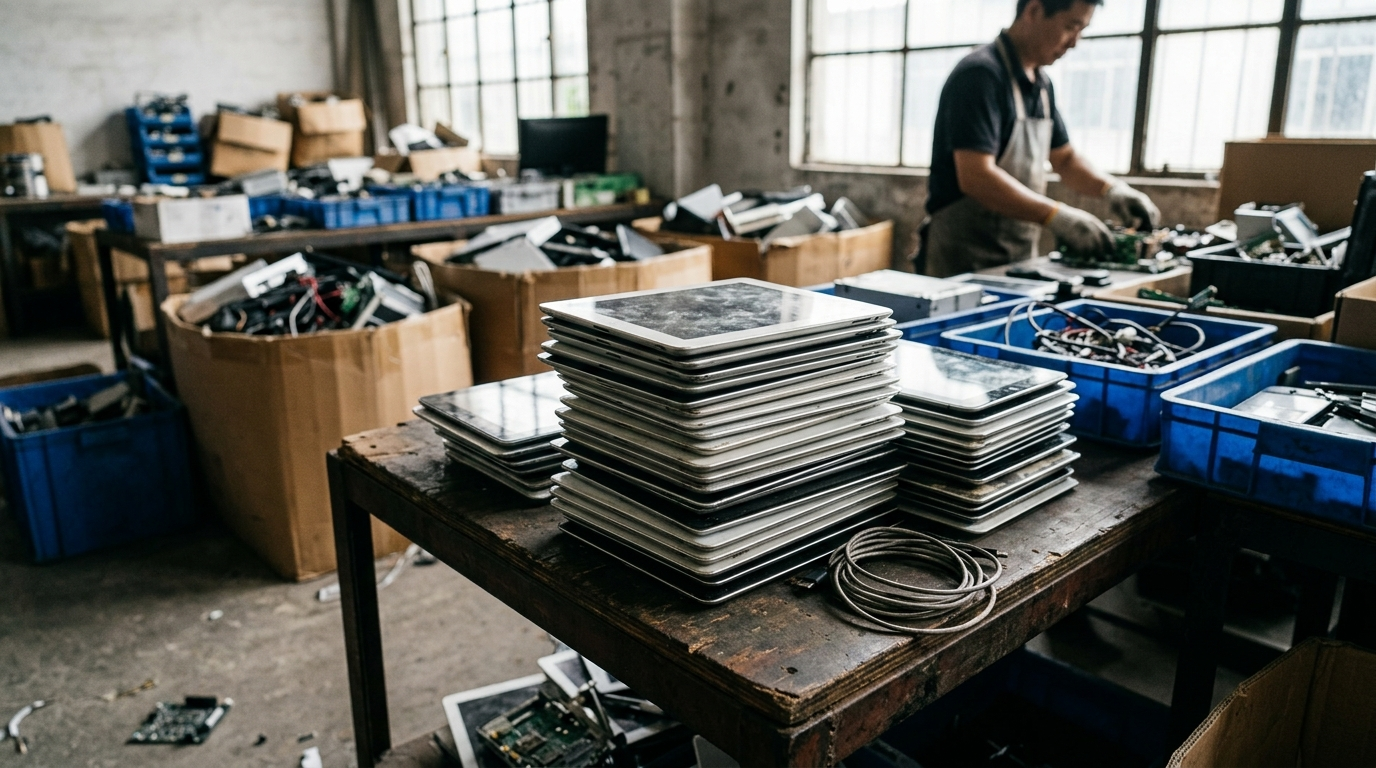
Apple is set to cut off millions of iPads from further OS updates this fall, leaving owners with hardware that's technically still functional but lacks support for new features and security patches. This decision will likely increase the volume of discarded devices and raise concerns about responsible e-waste disposal.
Last reviewed by Samantha Holloway on 07 August 2026
How Does This Affect Electronics Recycling?
This move affects electronics recycling by increasing the amount of potentially reusable devices sent to landfills or informal recycling channels, where they often end up in developing countries without proper safety measures. According to the UN Global E-Waste Monitor 2024, only 22.3% of global e-waste is formally recycled worldwide each year.
According to the Apple Environmental Report 2024, apple recovered over 1 tonne of gold from recycled devices in 2023.
Apple's actions highlight a broader issue with planned obsolescence, which can lead to more waste and fewer opportunities for recycling or repurposing devices. When manufacturers like Apple stop supporting older models, it sends a message that newer products are necessary, pushing consumers towards buying the latest gadgets rather than extending the life of their current ones.
What Are the Environmental Impacts?
Electronic waste has significant environmental impacts due to the hazardous materials used in device manufacturing. For instance, one million smartphones contain approximately 35kg of gold and 340kg of silver, along with other valuable but potentially toxic elements like palladium (15kg). These materials can leach into soil and water if not disposed of correctly.
According to the BankMyCell 2024, iPhones retain trade-in value better than Android phones, losing ~40% in year 1 vs ~55%.
In addition to the environmental risks associated with improper disposal, there are significant resource conservation benefits from recycling. Recycling electronics allows for the recovery of these precious metals and rare earth elements. Reducing the need for mining new resources. This is particularly important given the growing demand for lithium-ion batteries. Which are expected to reach a market capacity of 2.5 TWh by 2030.
How Can Consumers Respond?
Consumers can respond to Apple's decision in several ways to mitigate environmental impacts. They can extend their device's lifespan through regular software updates from third-party sources or by seeking out repair services that adhere to best practices for sustainability and safety. Additionally, donating older devices to schools, charities, or community centers helps ensure they continue serving useful purposes longer.
According to the Royal Society of Chemistry, mobile phones contain up to 60 different elements, including critical raw materials.
What Are the Legal Implications?
From a legal perspective, Apple's decision may raise questions about compliance with regulations such as the European Union's Waste Electrical and Electronic Equipment (WEEE) Directive and the Basel Convention on Hazardous Wastes. These laws aim to reduce waste from electrical and electronic equipment and ensure that any hazardous materials are managed responsibly.
In many regions, including the EU and California, there are also Right-to-Repair initiatives aimed at giving consumers more control over their devices' lifecycle. At electronics recycling, while these regulations don't directly address Apple's decision, they highlight a growing movement towards sustainable practices in electronics manufacturing and disposal.
What Should Electronics Recycling Programs Do?
Electronics recycling programs must adapt to the changing situation of device lifecycles and consumer behavior. They can focus on educating consumers about the benefits of refurbishing or repurposing devices instead of discarding them prematurely. Additionally, they should develop partnerships with manufacturers like Apple to ensure that returned electronics are handled responsibly and efficiently.
What Can Manufacturers Do?
Manufacturers need to take responsibility for reducing e-waste by designing products for longevity and ease of repair. Encouraging consumers to keep their devices longer through updates and support can significantly reduce the volume of discarded electronics. Companies could also invest in urban mining initiatives, where valuable materials from old electronics are recovered, further reducing environmental impacts.
What Should You Do Now?
To start making a difference now, consider donating your older but functional devices rather than discarding them. Look for reputable recycling centers that follow proper disposal practices and support local repair services to extend the life of electronic goods. Engage with community programs focused on e-waste reduction and participate in awareness campaigns about sustainable electronics usage.
By taking these steps, you help reduce the environmental impact of your technology use while supporting a circular economy where resources are conserved and waste is minimized.
Sources
- Apple Environmental Report 2024
- BankMyCell 2024
- Royal Society of Chemistry