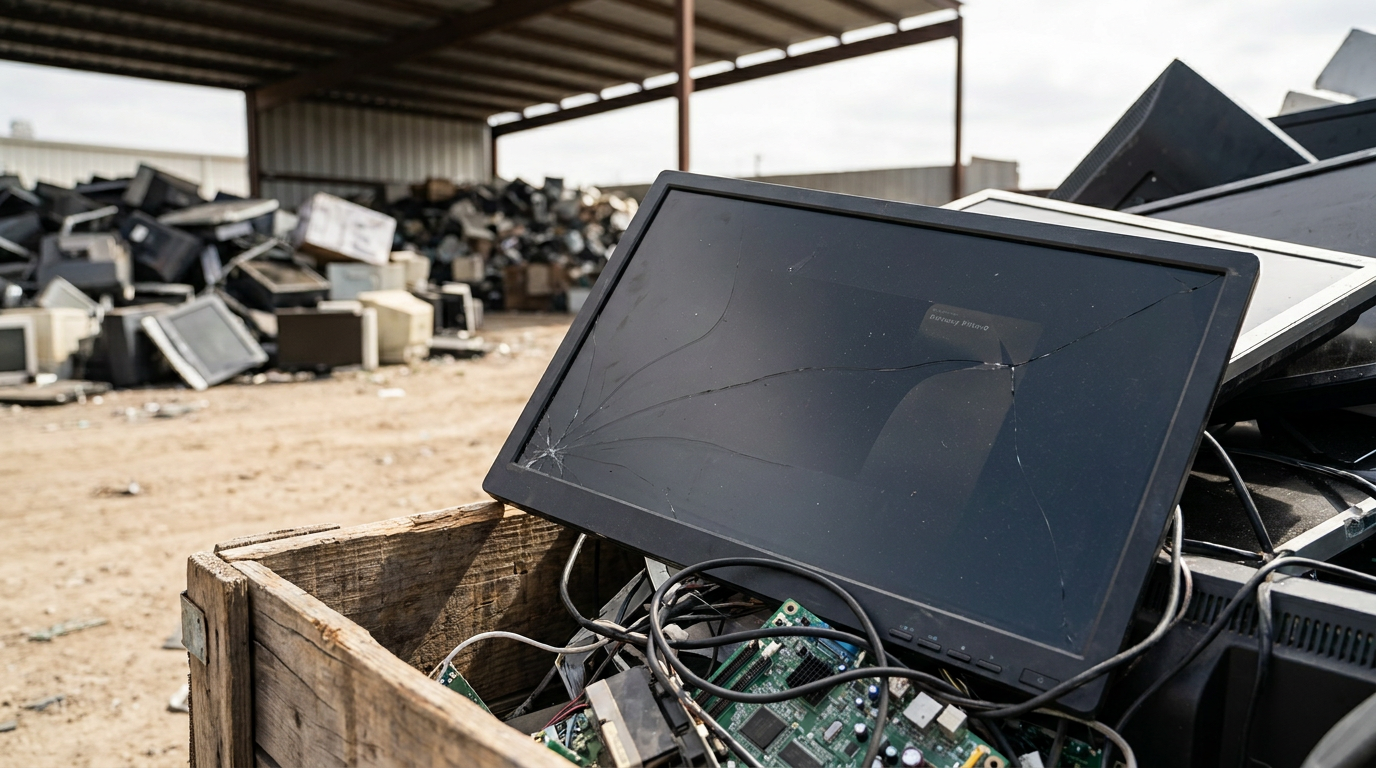
The latest teardown of the Samsung Galaxy S26 Ultra reveals new privacy features that could impact how consumers approach electronics recycling and disposal. This detailed analysis by iFixit offers insights into the internal hardware, highlighting components like an OLED screen with anti-snooping technology designed to protect user data.
Last reviewed by Samantha Holloway on 28 July 2026
How Does This Affect Electronics Recycling?
This teardown affects electronics recycling because it showcases advanced materials and technologies in smartphones that complicate disassembly and recovery processes for recyclers. The new privacy features might increase repair costs and reduce the incentive for individuals to recycle their devices, leading to higher volumes of e-waste globally-currently estimated at 62 million tonnes per year according to the UN Global E-Waste Monitor 2024.
According to the UNEP, A single tonne of circuit boards contains 40-800 times more gold than a tonne of ore.
What Are the Privacy Features in the New Samsung Device?
The new Galaxy S26 Ultra incorporates an OLED screen with privacy technology that restricts viewing angles, making it harder for others to see what's on your device when you're not using it. This feature uses advanced LCD and LED technologies embedded within the display panel to control light distribution effectively.
How Will These Features Impact Disposal Practices?
These features could lead to increased electronic waste as users may be less inclined to repair or recycle their devices due to higher repair costs and complexity. With only 22.3% of e-waste being formally recycled globally, such advancements in technology might exacerbate the problem by making older models more difficult to repurpose.
What Are the Environmental Concerns?
The environmental concerns arise from the increased volume of e-waste generated by devices with complex features like OLED privacy screens. These devices contain precious metals and rare earth elements that are challenging to recover, leading to resource depletion and pollution if not managed properly during disposal.
According to the WHO, improper e-waste disposal releases toxic substances including lead, mercury, and cadmium into soil and water.
How Can Consumers Stay Informed About Recycling Options?
Consumers can stay informed about recycling options through local government websites and the EPA's eCycling Central page. They should also consider using certified recyclers who adhere to environmental standards like the WEEE Directive in Europe or the Basel Convention internationally.
What Should Manufacturers Do Moving Forward?
Manufacturers need to design products with disassembly and recovery in mind. This includes reducing hazardous materials, improving repairability, and increasing the use of recycled components to promote a circular economy model for electronics recycling.
Conclusion: Practical Steps
To address the growing challenge of e-waste, consumers should:
- Recycle responsibly: Use certified recyclers like those listed on eCycling Central or through local government programs.
- Extend product lifespan: Opt for repair over replacement when possible and support initiatives that encourage manufacturers to design more durable products.
By taking these steps, we can mitigate the environmental impact of discarded electronics and promote sustainable practices in the industry.
Sources
- UNEP
- WHO
- UN Global E-Waste Monitor 2024