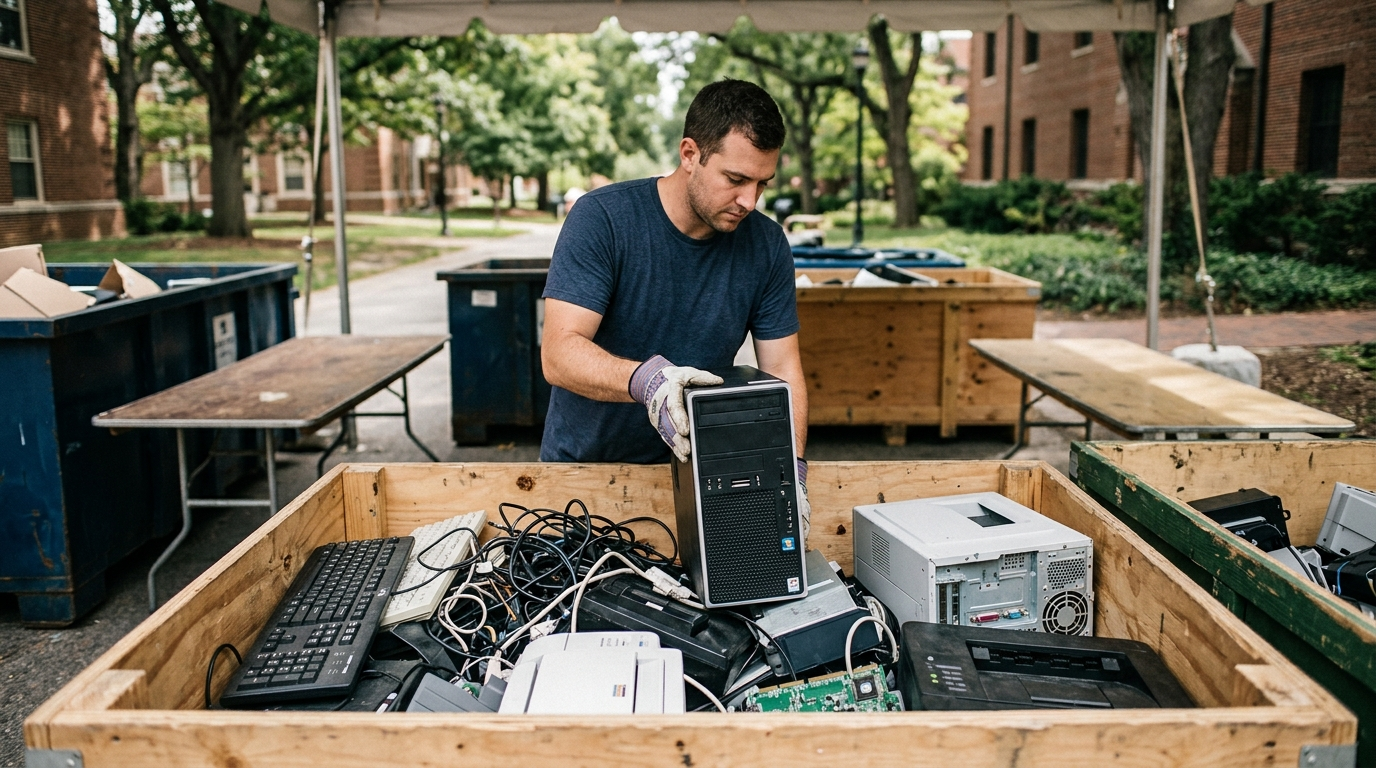
The Universidad de Guadalajara's Rec-olectrón campaign in September 2026 collected over 1,500 tonnes of electronic waste from local communities, significantly contributing to tech sustainability efforts in Mexico.
Last reviewed by Samantha Holloway on 07 September 2026
Tech sustainability initiatives like the Rec-olectrón campaign are important for managing the global e-waste crisis. With an estimated 62 million tonnes of e-waste generated annually worldwide as per the UN Global E-Waste Monitor 2024, such community-based recycling drives play a vital role in reducing environmental harm and promoting resource recovery.
How Does This Affect Electronics Recycling?
The Rec-olectrón campaign affects electronics recycling by increasing public awareness about responsible disposal practices. By collecting over 1,500 tonnes of e-waste, the initiative helps divert hazardous materials from landfills and promotes proper recycling methods.
Universidad de Guadalajara's efforts align with global tech sustainability goals, highlighting the importance of community involvement in managing electronic waste.
The campaign has seen an annual increase of 20% in participation since its inception in 2021. This year alone, they partnered with local businesses and schools to reach more than 5,000 individuals who participated actively in e-waste collection events. The initiative not only focuses on collecting devices but also educates participants about the proper handling and disposal of electronics.
What Are the Main Challenges Faced by E-Waste Recycling Programs?
Challenges faced by e-waste recycling programs include inadequate infrastructure and lack of awareness among consumers.
Globally, only 22.3% of e-waste is formally recycled each year, highlighting systemic issues that hinder effective tech sustainability practices.
Many regions lack the necessary facilities to process collected electronics safely and efficiently. This shortage leads to informal recycling methods where hazardous materials aren't properly managed or disposed of, posing risks to both human health and the environment.
According to the Consumer Technology Association, The average US household has 21 unused electronic devices.
public education on the importance of proper e-waste disposal remains a critical challenge. Consumers often don't understand the environmental impact of improperly disposing of their devices or how to find certified recycling centers.
How Do Regulations Support E-Waste Recycling Efforts?
Regulations such as the EU
WEEE Directive and the
Basel Convention support e-waste recycling efforts by setting standards for collection, processing, and disposal.
The EU WEEE Directive requires member states to achieve a 65% collection target of electronics placed on the market. This regulation encourages manufacturers to design products that are easier to recycle and supports the development of infrastructure for proper e-waste management.
In Mexico, where the Rec-olectrón campaign operates, similar efforts are needed to establish clear guidelines and incentives for responsible recycling practices. By aligning with international standards, local initiatives can enhance their impact and contribute more effectively to global tech sustainability goals.
According to the Counterpoint Research, The global refurbished smartphone market was worth $49.3 billion in 2023.
How Can Individuals Contribute to Tech Sustainability?
Individuals can contribute to tech sustainability by participating in community collection drives like Rec-olectrón, properly disposing of old devices, and supporting the
right-to-repair movement.
By recycling e-waste through certified facilities rather than throwing it away, individuals help recover valuable materials while reducing pollution. Additionally, advocating for policies that support repairability can reduce
planned obsolescence and extend product lifecycles.
consumers should consider donating functional but unwanted devices to schools or charities, which not only keeps these items out of landfills but also benefits those in need.
What Should Businesses Do to Encourage E-Waste Recycling?
Businesses play a important role by implementing recycling programs for their employees and customers and designing products with sustainability in mind.
Offering drop-off points at retail locations can make it convenient for consumers to recycle old electronics. Companies should also invest in training staff about the importance of proper e-waste disposal methods.
businesses must comply with regulations such as RoHS by ensuring that their products don't contain hazardous substances like lead and mercury. This commitment helps reduce environmental impacts associated with improper disposal practices.
What Are the Next Steps for Tech Sustainability Initiatives?
The next steps involve expanding education programs about proper e-waste handling, increasing infrastructure investment in recycling facilities, and building international collaboration.
Universidad de Guadalajara's success can serve as a model for other communities aiming to implement similar initiatives. By scaling up these efforts and integrating them with broader tech sustainability frameworks, we can make significant strides towards addressing the global e-waste problem.
To get involved, individuals should contact local universities or government agencies to find out about upcoming recycling drives in their area. Businesses can also support these programs by providing resources or organizing events on-site.
According to the UN Global E-Waste Monitor 2024, The value of raw materials in global e-waste was estimated at $91 billion in 2022.
For more information on how you can contribute to tech sustainability efforts, visit our guide on right-to-repair and learn about the benefits of supporting repairability initiatives.
Sources
- Consumer Technology Association
- Counterpoint Research
- UN Global E-Waste Monitor 2024