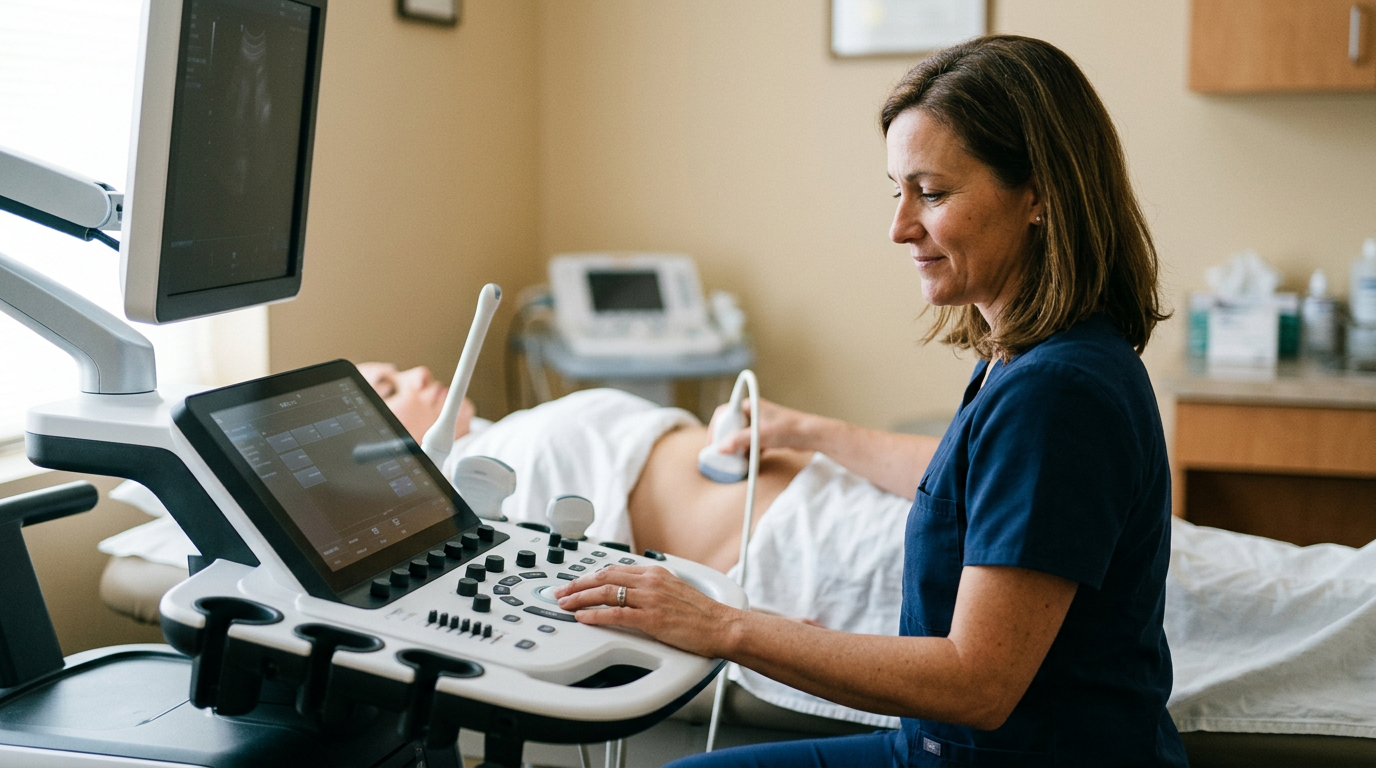
Samsung Medison's launch of the HERA Z10 in September 2026 marks a significant expansion in women's health diagnostics, but it also highlights a growing challenge for electronics recycling as more sophisticated medical devices enter the market. The new system, alongside the existing HERA Z20, aims to provide precision imaging and rapid clinical decision-making, reflecting broader trends in maternal healthcare needs.
Last reviewed by Samantha Holloway on 11 September 2026
How Does This Affect Electronics Recycling?
This launch increases the complexity of e-waste management since advanced diagnostic equipment like the HERA Z10 contains rare earth metals and toxic materials. For electronics recycling, it means more sophisticated handling processes are required to ensure proper disposal and recovery of valuable components.
According to the UN Global E-Waste Monitor 2024, only 22.3% of e-waste was properly collected and recycled in 2022.
In 2024, the global production of e-waste reached an unprecedented 62 million tonnes annually, according to the UN Global E-Waste Monitor. Only 22.3% of this waste is recycled through formal channels, highlighting the urgent need for improved recycling infrastructure. Advanced medical devices such as the HERA Z10 contribute significantly to these figures due to their high-tech components and specific disposal requirements.
What Are the Environmental Impacts?
Medical equipment like the HERA Z10 has substantial environmental impacts because of its complex makeup. These machines often contain rare earth elements, precious metals, and hazardous substances that need careful handling during recycling. For instance, one million mobile phones-which share similar material compositions with high-end medical devices-can yield 35kg of gold and 340kg of silver.
According to the Consumer Technology Association, The average US household has 21 unused electronic devices.
The environmental impact is further exacerbated by the lifecycle of these machines. They often have shorter lifespans compared to other electronic products due to rapid technological advancements, leading to a higher rate of e-waste generation. This trend highlights the importance of strong recycling practices that prevent harmful materials from entering landfills or informal waste streams.
What Are the Legal and Regulatory Implications?
The introduction of new medical devices like the HERA Z10 raises legal and regulatory challenges for electronics recycling. In Europe, the Waste Electrical and Electronic Equipment (WEEE) Directive sets targets such as a 65% collection rate for all electrical equipment placed on the market. This directive requires manufacturers to take responsibility for the end-of-life disposal of their products, including medical devices.
According to the Counterpoint Research, The global refurbished smartphone market was worth $49.3 billion in 2023.
In addition, regulations like the Basel Convention govern the transboundary movement of hazardous waste, ensuring that e-waste from developed countries doesn't end up in less regulated regions where it can cause significant environmental and health risks. These legal frameworks mandate stricter controls over how such advanced equipment is managed once it reaches the end of its useful life.
How Can Consumers and Businesses Support Responsible Recycling?
Consumers and businesses must be proactive in ensuring that medical devices like the HERA Z10 are recycled responsibly. This involves choosing certified recycling facilities capable of handling complex electronic waste safely and effectively. For instance, a facility recognized under the WEEE Directive guarantees adherence to strict environmental standards.
supporting companies that offer take-back programs for their products encourages manufacturers to design devices with recyclability in mind from the outset. Initiatives like these not only reduce e-waste but also promote a circular economy where valuable materials are recovered and reused.
What Should People Do Now?
To ensure responsible disposal of advanced medical equipment. People should seek out certified recycling services that specialize in handling complex electronics. Additionally, staying informed about local regulations and initiatives aimed at reducing e-waste is important. For instance, the EU's WEEE Directive sets clear targets for electronic waste recovery.
By engaging with these resources and supporting environmentally friendly practices, individuals can contribute to a more sustainable future where high-tech devices like the HERA Z10 are managed responsibly from production through end-of-life disposal.
For more information on e-waste management, check out our guide on urban mining or learn about the importance of [right-to-repair policies](/guides/right-to-repair-what-it-means).
Sources
- UN Global E-Waste Monitor 2024
- Consumer Technology Association
- Counterpoint Research