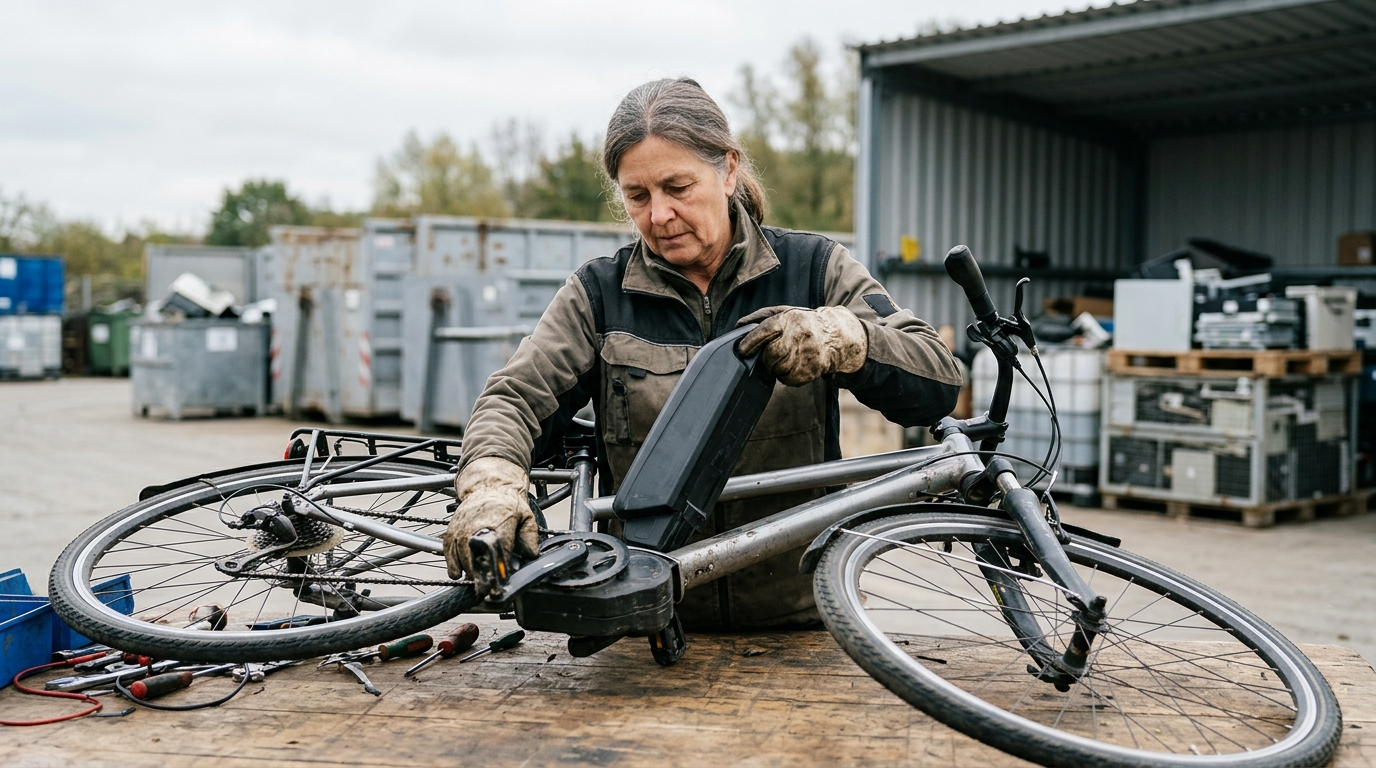
In August 2026, the UK Product Safety Alerts issued a report on the Allegro M7 Sport Starsfly E-Bike model (2605-0134), citing safety concerns that affect both consumers and electronics recyclers. electronics recycling The recall highlights issues with the bike's battery pack, highlighting the importance of proper disposal and handling of e-waste.
Last reviewed by Samantha Holloway on 15 August 2026
What Is the Safety Concern With the Allegro M7 Sport Starsfly E-Bike?
The safety concern involves a defect in the lithium-ion battery packs used in the e-bikes, which can overheat and cause fires. According to the report, this issue affects around 10% of the bikes sold since January 2026.
Why Do This Matter for Electronics Recycling?
This matter is important because it highlights the potential hazards associated with improperly disposed or recycled lithium-ion batteries. When such batteries aren't handled correctly, they can pose significant risks to recycling facilities and personnel.
The recall highlights the need for stringent safety protocols in electronics recycling practices. For instance, ensuring that battery packs are safely discharged before dismantling them is important. Additionally, recyclers must adhere to guidelines like those set forth by the Basel Convention, which regulates the movement of hazardous waste between countries.
How Does This Affect Consumers?
Consumers who own an Allegro M7 Sport Starsfly E-Bike need to take immediate action if their bike falls under the recall. They should contact the manufacturer or authorized dealers to get a free replacement battery pack or repair service. Failing to address this issue can lead to serious safety hazards, including fires and potential injuries.
What Are the Legal Implications for Recyclers?
Recycling facilities that handle e-waste must comply with regulations such as the
WEEE Directive in Europe and similar laws worldwide. These regulations mandate proper handling and disposal of hazardous materials like lithium-ion batteries. Non-compliance can result in hefty fines and legal repercussions, emphasizing the importance of adhering to these standards.
What Should Recycling Centers Do Now?
Recycling centers must implement rigorous safety measures when dealing with e-bikes and other electronic devices containing lithium-ion batteries. This includes establishing protocols for safely discharging and storing batteries before recycling them. Training staff on proper handling techniques is also critical. Additionally, recyclers should stay informed about product recalls to ensure they don't receive or recycle affected items.
How Can Consumers Properly Dispose of Their E-Bike?
Consumers looking to dispose of their e-bikes responsibly should follow local regulations and guidelines for recycling electronic devices. They can find approved collection points through the WEEE Directive in Europe, or similar programs in other regions. For example, consumers can use designated drop-off locations or participate in organized take-back schemes offered by retailers.
What Are the Environmental Benefits of Proper E-Waste Disposal?
Proper disposal of e-waste not only prevents environmental hazards but also facilitates
urban mining-extracting valuable materials from discarded electronics. Recycling lithium-ion batteries and other components reduces the need for new resource extraction, conserving natural resources and reducing carbon footprints.
How Can We Promote Better Consumer Awareness About E-Waste?
Promoting better consumer awareness about e-waste disposal is vital to ensuring more responsible practices. Educational campaigns can highlight the importance of recycling electronics properly, including battery packs from devices like e-bikes. This education should cover both the environmental benefits and safety hazards associated with improper disposal.
, the recall of the Allegro M7 Sport Starsfly E-Bike serves as a stark reminder of the dangers involved in mishandling e-waste, particularly lithium-ion batteries. Both consumers and recyclers must adhere to strict safety guidelines and regulations to prevent incidents and promote sustainable practices. For more information on how to recycle electronics responsibly, visit ecyclingcentral.com.
Learn about the [[right-to-repair](/guides/right-to-repair-what-it-means) movement and how it impacts e-waste management.]
Discover the importance of the [[circular economy](/guides/circular-economy-and-electronics) in reducing electronic waste.]
Sources
- Royal Society of Chemistry
- BankMyCell depreciation tracker
- UNEP