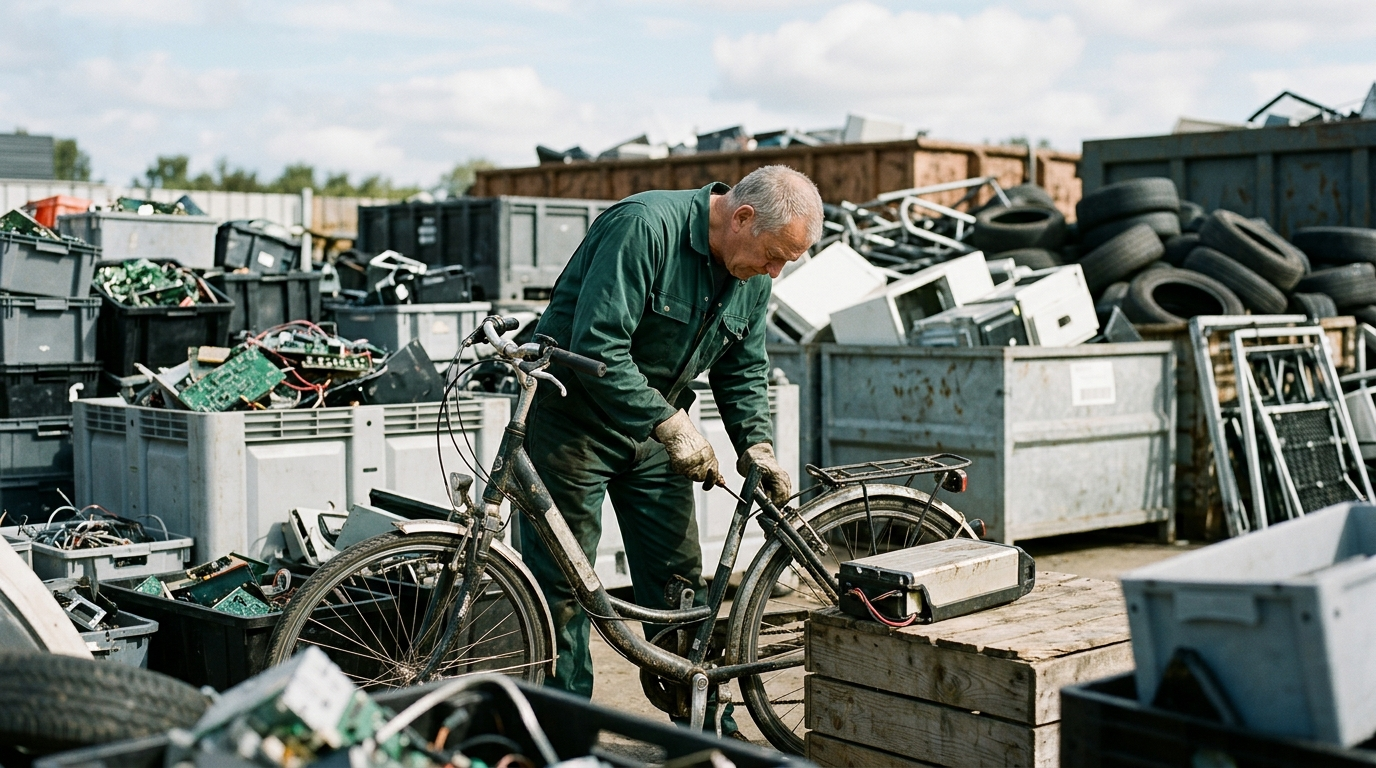
The UK Product Safety Alerts issued a report in August 2026 regarding potential safety issues with Allegro A3, A6, M7, and A7R e-bikes, highlighting the importance of electronics recycling for both consumer protection and environmental sustainability. The recall involves four models: A3-1500W, A6-1500W, M7-250W, and A7R-1500W, with the model number 2608-0132.
Last reviewed by Samantha Holloway on 22 August 2026
What Happened With Allegro E-Bikes?
In August 2026, UK Product Safety Alerts issued a report on potential safety issues with specific Allegro e-bike models. The recall affects four models due to concerns over battery safety and potential fire hazards. This incident highlights the critical importance of proper electronics recycling.
Electronics recycling is important because it prevents harmful materials from entering the environment and ensures that valuable resources are reused rather than wasted. In 2024, the UN Global E-Waste Monitor reported a global e-waste generation of 62 million tonnes annually, with only 22.3% formally recycled worldwide.
According to the World Economic Forum, e-waste is the fastest-growing waste stream globally.
Why Does This Affect Electronics Recycling?
The recall impacts electronics recycling because it highlights the need for safe and responsible disposal practices. E-bikes contain rechargeable lithium-ion batteries that require special handling during recycling to prevent fires or other hazards. Proper recycling ensures these components are managed safely, reducing risks to both people and the environment.
This incident also draws attention to the broader issue of battery recycling in electronic devices. With the global lithium-ion battery market projected to reach 2.5 TWh by 2030. The importance of proper recycling practices becomes even more significant. Electronics recycling facilities must be equipped with the necessary technology and procedures to handle these batteries safely.
What Regulations Are Affected?
The Allegro e-bike recall is influenced by regulations such as the
[WEEE Directive](/regulations/weee-directive-eu) in Europe and similar waste management policies worldwide. These regulations mandate that electronic devices, including e-bikes, are designed for safer disposal and recycling processes. The WEEE collection target in the EU aims to reach 65% of electronics placed on the market by ensuring that producers take responsibility for their products at end-of-life stages.
How Can Consumers Stay Informed?
Consumers can stay informed about recalls and safety issues related to electronic devices, like e-bikes, through government alerts and manufacturer notifications. Checking official websites or signing up for newsletters is a practical way to keep updated on any potential risks associated with the products they own.
For those interested in learning more about electronics recycling practices and rights, visiting resources such as ecyclingcentral.com can provide full guides on [right-to-repair](/guides/right-to-repair-what-it-means), [circular economy](/guides/circular-economy-and-electronics), and WEEE Directive compliance.
What Should You Do Now?
If you own one of the affected Allegro e-bike models, contact the manufacturer or your local retailer for instructions on how to proceed. Follow guidelines provided by official safety alerts and ensure that any electronic devices are recycled responsibly at certified facilities. By doing so, you help protect both the environment and public safety.
For more information on battery recycling and safe disposal practices, visit ecyclingcentral.com's guides on battery recycling and lithium-ion batteries.
Sources
- World Economic Forum
- Apple Environmental Report 2024
- BankMyCell 2024