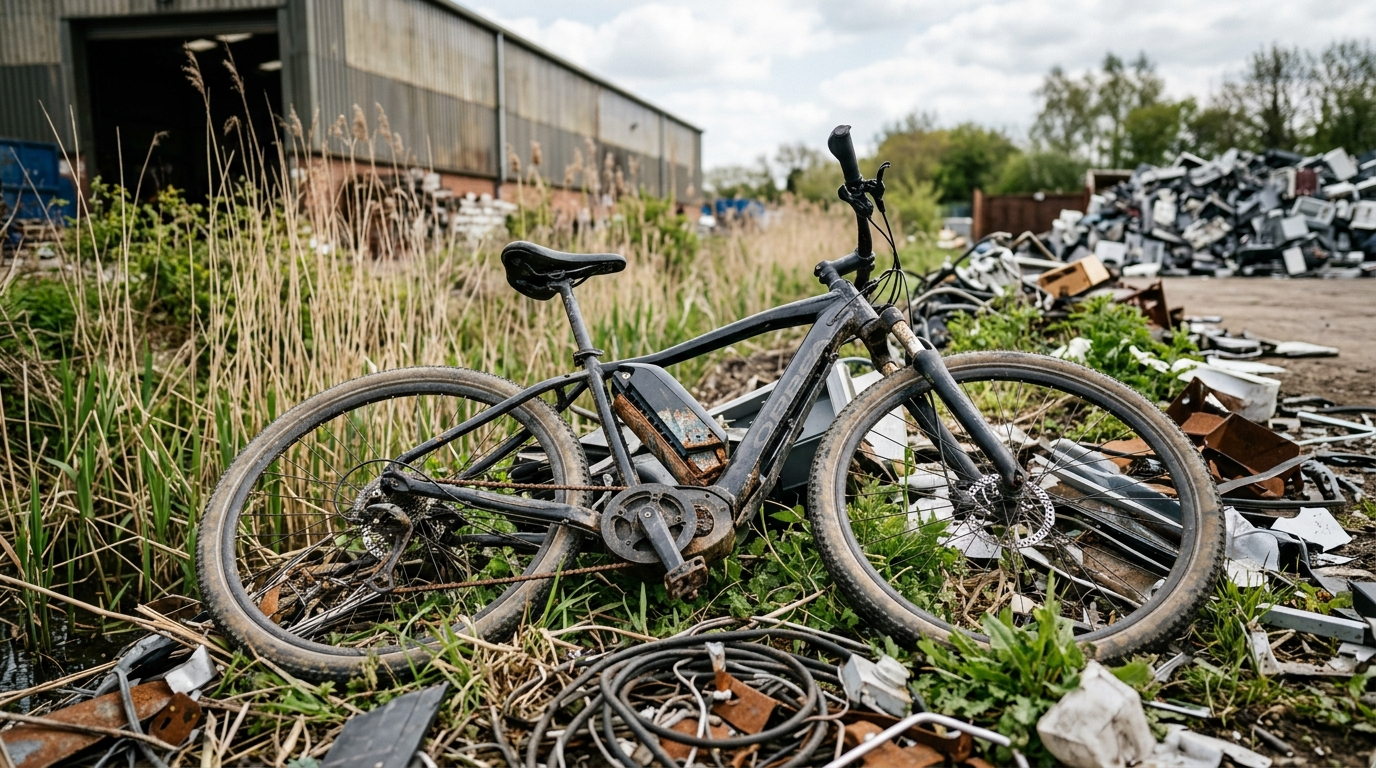
ORBEA has issued a product recall for its Optima MY 2019 and 2020 e-bike models due to safety concerns, impacting electronics recycling practices globally. The recall affects 583 units in the UK alone, highlighting the importance of proper disposal channels for potentially hazardous devices.
Last reviewed by Samantha Holloway on 12 August 2026
What Is the Product Recall About?
The recall involves ORBEA's Optima MY 2019 and 2020 e-bikes due to a risk of battery overheating. The affected bikes can be identified by serial numbers starting with "ORB-2607". This product recall is critical for electronics recycling as it highlights the importance of safely handling lithium-ion batteries.
How Does This Affect Electronics Recycling?
Electronics recycling must now account for the specific risks associated with recalled e-bike models. The overheating hazard can lead to fires if improperly disposed of, posing significant safety concerns in recycling facilities. For instance, a single battery pack may contain up to 4 kg of lithium and other hazardous materials.
Recyclers need to segregate these units from standard batches to mitigate risks. This recall also emphasizes the importance of adhering to regulations such as the WEEE Directive and Basel Convention, which mandate proper disposal procedures for electronic waste containing dangerous components.
What Should Consumers Do?
Consumers should return their affected bikes immediately to authorized ORBEA dealerships or recycling centers designated by the company. The manufacturer is offering free repair services to address the overheating issue, ensuring that users don't attempt to fix these devices themselves due to potential safety hazards.
Recyclers and disposal firms must stay informed about such recalls to prevent unsafe handling of electronics. According to the WEEE Directive, companies in Europe are required to recycle 65% of electrical goods placed on the market by weight, which includes ensuring that hazardous components like batteries are managed properly.
According to the UN Global E-Waste Monitor 2024, The world generated 62 million tonnes of e-waste in 2022, up 82% from 2010.
What Are the Legal Implications?
The product recall highlights the legal obligations for manufacturers and recyclers under regulations such as the WEEE Directive and RoHS. Under these laws, companies must ensure that electronic waste is handled responsibly to prevent environmental contamination and public health risks.
In the UK, the Waste Electrical and Electronic Equipment Regulations (WEEE) require producers to register and take responsibility for the collection, treatment, recovery, and environmentally sound disposal of their products at end-of-life. This includes e-bikes and other electrical equipment.
What Are the Environmental Impacts?
Recycling
e-waste properly can recover valuable materials like gold, silver, and palladium. For example, one million smartphones contain approximately 35kg of gold, 340kg of silver, and 15kg of palladium. Improper disposal not only wastes these resources but also pollutes the environment with toxic substances.
The recall highlights the need for strong recycling processes to prevent hazardous materials from entering landfills or being exported illegally to developing countries where environmental regulations are lax.
How Can We Promote Sustainable Practices?
To promote sustainable practices, consumers should choose products that adhere to
circular economy principles and support
right-to-repair initiatives. By encouraging manufacturers to design devices with longevity in mind and providing repair manuals and spare parts, we can reduce the volume of e-waste generated annually.
The global electronics recycling industry is expected to handle 62 million tonnes of e-waste this year alone. Ensuring that each unit is processed safely and responsibly is important for minimizing environmental impact and maximizing resource recovery.
According to the European Parliament, less than 1% of rare earth elements in e-waste are currently recycled.
What Can Individuals Do Now?
Individuals should check if their e-bikes are affected by the ORBEA recall and follow the manufacturer's instructions for safe disposal or repair. It's also important to use certified recycling centers when disposing of electronics, ensuring compliance with local regulations like WEEE and RoHS.
By staying informed about product recalls and adhering to proper disposal procedures, consumers can contribute to safer and more sustainable practices in electronics recycling. For further guidance on how to recycle your devices safely and responsibly, refer to our guides on right-to-repair here and circular economy principles here.
Sources
- UN Global E-Waste Monitor 2024
- European Parliament
- WEEE Forum