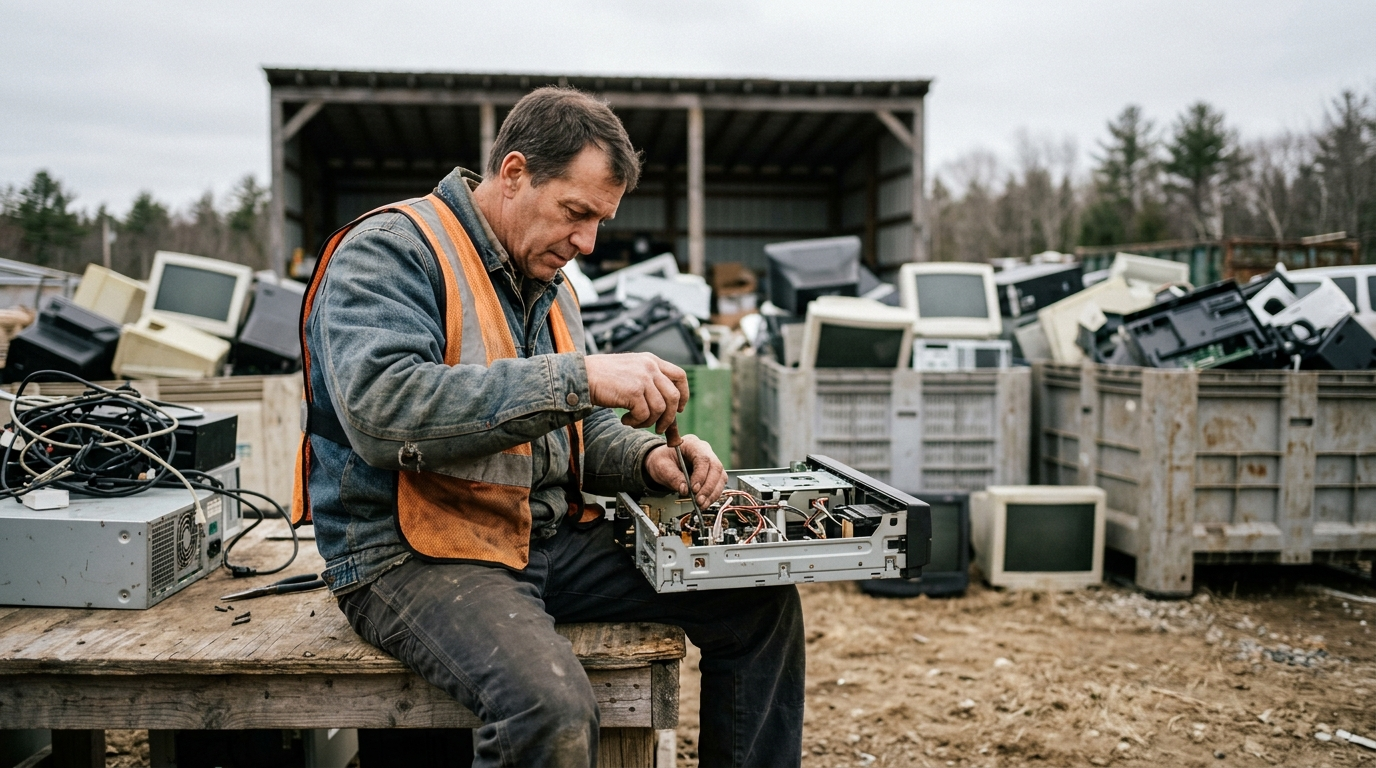
Tech sustainability took a significant step forward in August 2026 when Maine lawmakers introduced the latest iteration of 'Right to Repair' legislation aimed at cutting costs and reducing electronic waste. This move follows years of advocacy for more accessible repairs, highlighting the growing concern over e-waste.
Last reviewed by Samantha Holloway on 15 August 2026
How Does This Affect Electronics Recycling?
This new push means consumers will have easier access to repair services and spare parts, potentially leading to a decrease in discarded electronics. The legislation aims to make it less expensive to fix devices than buy new ones, which could reduce the 62 million tonnes of global e-waste generated annually according to the UN Global E-Waste Monitor 2024.
According to the World Economic Forum, e-waste is the fastest-growing waste stream globally.
As tech sustainability becomes more critical globally, Maine's initiative highlights a broader shift towards repairing and reusing electronic products. The Right to Repair movement seeks to dismantle barriers that discourage repair by ensuring manufacturers provide consumers with necessary information and parts for device maintenance.
What Are the Key Provisions of the New Law?
The proposed law requires electronics makers to supply service manuals, diagnostic software tools, and replacement components at a fair price to independent fixers. This transparency will enable more individuals and small businesses to engage in repairs, building local economies while reducing environmental impact.
According to the Apple Environmental Report 2024, apple recovered over 1 tonne of gold from recycled devices in 2023.
With only 22.3% of global e-waste formally recycled annually, initiatives like this could significantly boost recycling rates by encouraging extended product lifespans through repair services. By addressing the underlying issue of planned obsolescence-where products are designed to become obsolete quickly-the new legislation aims to extend device life cycles and lessen waste.
What Are the Benefits for Consumers?
Consumers stand to benefit from lower costs associated with fixing devices rather than replacing them entirely. For example, repairing a smartphone can save up to 50% of its replacement cost compared to buying a new one. this change promotes environmental stewardship by reducing reliance on raw materials and minimizing landfill waste.
According to the BankMyCell 2024, iPhones retain trade-in value better than Android phones, losing ~40% in year 1 vs ~55%.
By making repair options more viable economically, the Right to Repair could also build innovation in the repair industry. Entrepreneurs might start businesses focused on refurbishing electronics, creating jobs while contributing positively to tech sustainability efforts.
What Challenges Will Manufacturers Face?
Manufacturers may resist these changes due to concerns about profit margins and brand control over product integrity. They argue that providing repair information freely could lead to unauthorized repairs or modifications that compromise safety standards. However, the push for Right to Repair is gaining momentum as consumers demand more sustainable practices from tech companies.
The EU's WEEE Directive aims to collect 65% of electronics placed on the market by weight annually, highlighting the growing regulatory pressure worldwide. Maine's legislation aligns with this trend towards greater accountability in managing electronic waste responsibly.
How Will This Impact Global Tech Sustainability Efforts?
This move sets a precedent for other jurisdictions looking to address e-waste proliferation effectively. Countries around the globe can look at Maine as an example of proactive legislative action to combat environmental degradation caused by outdated tech policies.
As e-waste continues to grow alongside technology advancements, initiatives like Right to Repair offer practical solutions that align with global sustainability goals. By promoting repair and reuse over disposal, these laws support a circular economy model where resources are kept in use longer.
What Should People Do Now?
Individuals concerned about tech sustainability can advocate for similar legislation in their regions by contacting local representatives or joining advocacy groups dedicated to Right to Repair initiatives. Businesses should also consider adopting policies that align with repair-friendly practices and explore opportunities to incorporate recycled materials into new products.
For more information on e-waste management and recycling best practices, visit eCycling Central. Engaging with communities focused on these issues can provide valuable insights and support in pushing for broader changes that benefit the planet.
Sources
- World Economic Forum
- Apple Environmental Report 2024
- BankMyCell 2024