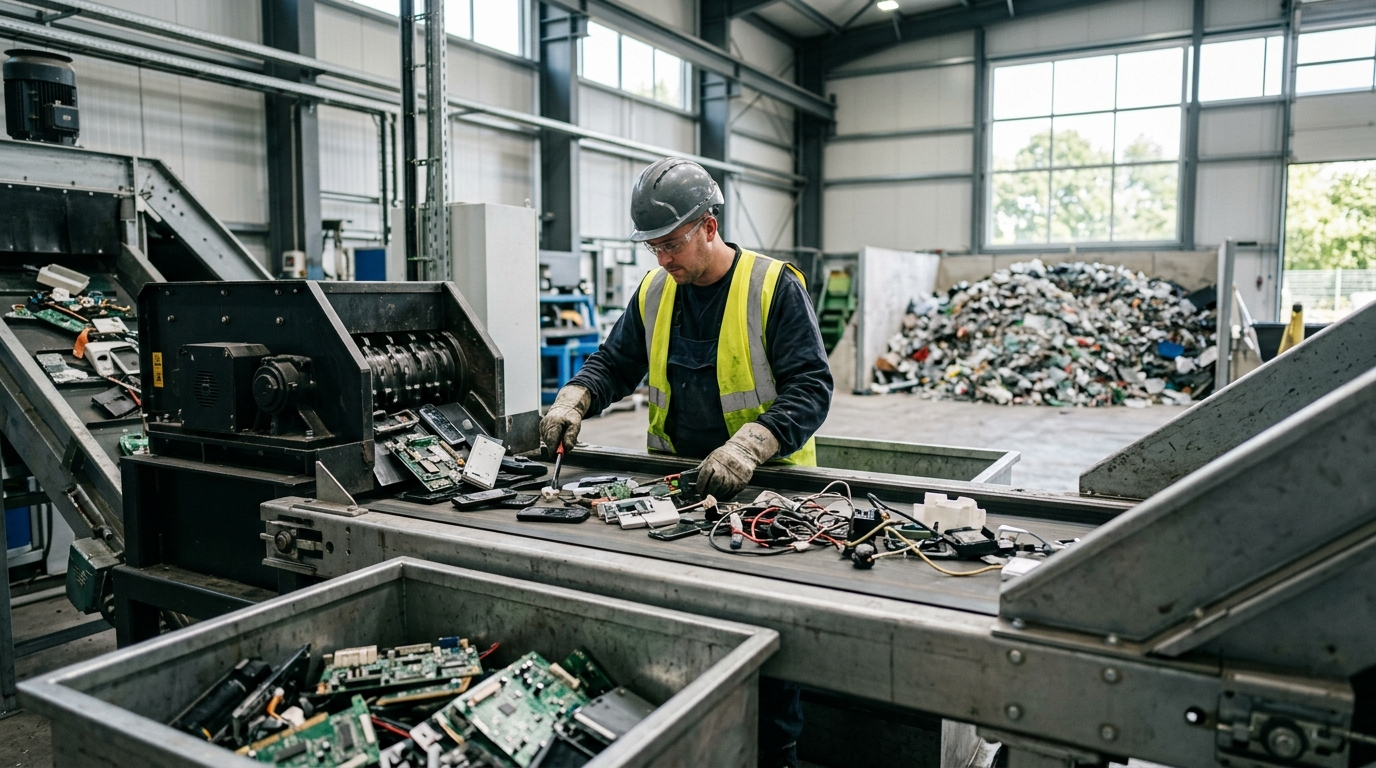
Tech sustainability is gaining traction as companies like Modern Mining find innovative ways to recycle e-waste and extract critical minerals, making the process economically viable and environmentally friendly.
Last reviewed by Samantha Holloway on 17 August 2026
In August 2026, Modern Mining announced a new method for extracting gold, silver, palladium, and other precious metals from discarded electronics. This development highlights the growing importance of tech sustainability in managing global e-waste responsibly.
How Does This Affect Electronics Recycling?
This innovation directly impacts how we recycle electronics by making it more profitable to recover valuable materials rather than landfilling them. The process can significantly reduce environmental pollution and resource depletion.
According to the UN Global E-Waste Monitor 2024, the world generates over 62 million tonnes of e-waste annually, with only about 22.3% being formally recycled. Modern Mining's approach could increase recycling rates by making it economically viable for more entities to enter the market.
What Are the Key Minerals Recovered?
Modern Mining focuses on recovering gold and silver, which are particularly abundant in mobile phones and other tech devices. One million smartphones contain approximately 35kg of gold and 340kg of silver, showcasing the immense value locked within discarded electronics.
These metals aren't only rare but also expensive to mine traditionally, making their recovery from e-waste an attractive alternative that reduces environmental impact.
What Countries Will See the Most Impact?
The United States leads in generating e-waste with 6.92 million tonnes annually, followed closely by China and Japan. With such high volumes of waste, these countries stand to benefit most from efficient recycling methods like those developed by Modern Mining.
In the EU, member states are required under the
WEEE Directive to achieve a collection rate of at least 65% of electronics placed on the market. This directive aligns well with innovative recycling technologies that enhance recovery rates.
Lithium-ion batteries used in electric vehicles and portable devices pose significant challenges due to their hazardous nature but also offer high potential for valuable materials like lithium, cobalt, and nickel. By 2030, the global demand for these batteries is expected to reach around 2.5 TWh.
Modern Mining's recycling techniques can help address both environmental concerns and resource scarcity issues related to battery waste. This could lead to more sustainable practices in manufacturing new batteries.
What Are Consumers Expected to Do?
Consumers play a important role in promoting tech sustainability by ensuring their electronic devices are disposed of responsibly. They should look for certified recyclers who adhere to regulations like the WEEE Directive and RoHS.
supporting manufacturers that prioritize product longevity through initiatives such as
right-to-repair could reduce e-waste volumes over time.
By embracing these practices, everyone contributes towards a circular economy where resources are conserved and waste minimized. For more information on how you can contribute, visit our guides on [right to repair](/guides/right-to-repair-what-it-means), circular economy, and e-waste management practices.
Sources
- UN Global E-Waste Monitor 2024
- European Parliament
- WEEE Forum