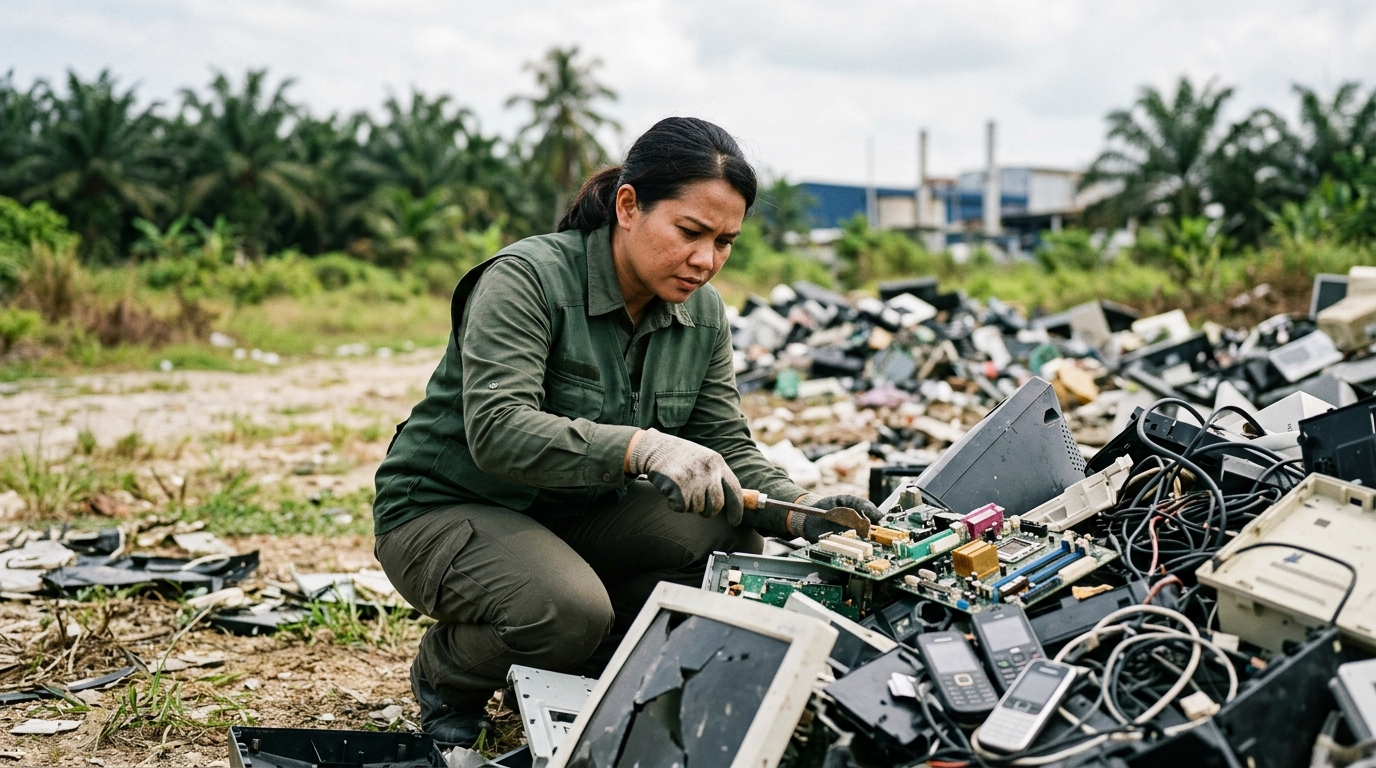
Malaysia stepped up its efforts to curb illegal e-waste imports in August 2026, but the country continues to face challenges as smuggling persists despite stricter regulations.
Last reviewed by Samantha Holloway on 22 August 2026
What Happened?
In August 2026, Malaysian authorities escalated their crackdown on unregulated e-waste shipments. tech sustainability The government increased inspections and imposed fines of up to $50,000 per shipment for violations, aiming to curb the influx of hazardous waste. Despite these measures, the illegal trade remains a significant problem.
According to the UN Global E-Waste Monitor 2024, global e-waste reached an estimated 62 million tonnes in 2023, with only about 22.3% being formally recycled worldwide. This stark figure highlights the urgency of combating unregulated waste imports like those affecting Malaysia.
According to the European Parliament, less than 1% of rare earth elements in e-waste are currently recycled.
Why Does It Matter?
This situation matters because illegal e-waste trade not only undermines environmental regulations but also poses severe health risks to local communities and wildlife. The improper disposal of electronic gadgets leads to soil contamination, air pollution, and water toxicity, which can have long-lasting detrimental effects on public health and the environment.
Malaysia's efforts to address this issue are important for protecting its citizens from harmful substances contained in e-waste. The country is one of several destinations that receive a disproportionate amount of global e-waste due to lax regulation elsewhere, making it imperative for local authorities to enforce stringent measures.
How Does This Affect Electronics Recycling?
This crackdown impacts the formal recycling sector by potentially reducing the volume of waste available for ethical processing and reuse. With stricter controls on illegal imports, there's an increased need for alternative methods to manage e-waste responsibly.
The European Union's WEEE Directive sets a collection target of 65% of electronics placed on the market, which provides a benchmark for more countries to follow in terms of recycling efficiency and environmental safety standards. However, the current situation in Malaysia highlights the difficulties in enforcing such directives across borders.
What Are The Key Challenges?
One major challenge is balancing economic benefits with environmental concerns. Many developing nations like Malaysia see e-waste as an opportunity for economic growth through informal recycling activities. These operations often lack proper facilities and safety measures, leading to significant health hazards and environmental degradation.
Another key issue is the complexity of global supply chains. E-waste originates from multiple countries, making it challenging to track and regulate effectively. The presence of valuable materials such as gold (1 million phones contain 35kg) and silver (1 million phones contain 340kg) further complicates efforts to manage waste responsibly due to the lucrative secondary market.
According to the WEEE Forum, over 5 billion mobile phones were estimated to be sitting unused in drawers worldwide in 2022.
What Are The Consequences For Consumers?
Consumers need to be aware that their electronic devices have a significant environmental impact when discarded improperly. By supporting companies committed to responsible practices, individuals can help reduce the amount of unregulated e-waste entering developing countries like Malaysia.
The responsibility lies partly with manufacturers who produce electronics and should ensure their products are designed for recyclability or repairability. Initiatives such as the right-to-repair movement aim to give consumers more control over how long they keep devices in use, thereby reducing waste generation.
What Should You Do Now?
To mitigate the negative effects of e-waste on countries like Malaysia, it's important for individuals and businesses alike to adopt sustainable practices:
- Recycle Responsibly: Ensure your electronic waste goes through certified recycling channels that adhere to local regulations.
- Support Ethical Brands: Choose companies committed to reducing their environmental footprint by embracing circular economy principles.
- Advocate For Change: Engage with policymakers and industry leaders to push for stronger e-waste management policies both locally and globally.
For more information on how to recycle electronics responsibly, visit our e-waste page or learn about urban mining practices at urban mining.
Sources
- European Parliament
- WEEE Forum
- WHO