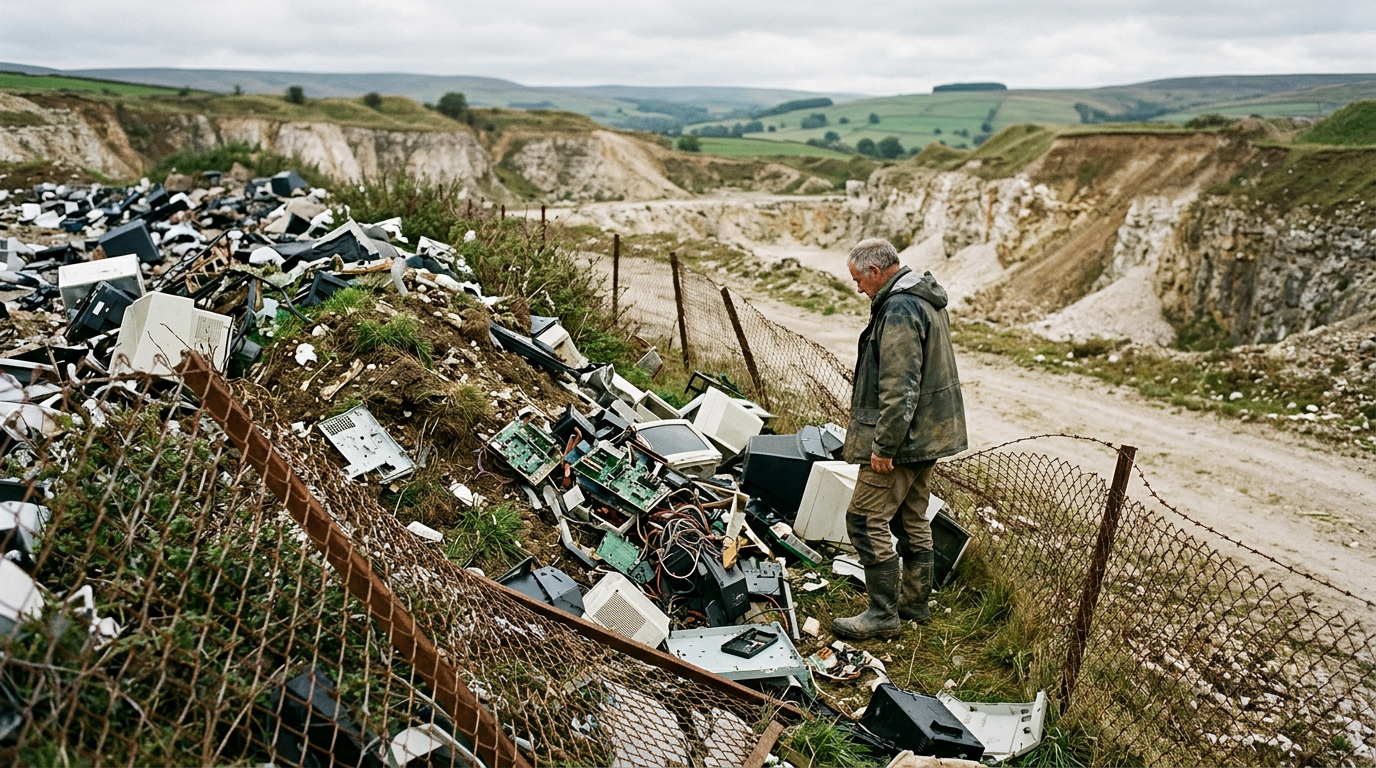
The Environment Agency shut down an illegal waste site in a former quarry in West Yorkshire, blocking access to prevent further dumping of e-waste and hazardous materials. This action is critical for protecting the environment and ensuring that electronics recycling happens responsibly.
Last reviewed by Samantha Holloway on 08 September 2026
What Happened at the Quarry?
The Environment Agency sealed off the quarry where waste had been dumped illegally. The closure came after months of investigation into the illegal activities taking place there, which included dumping of various types of waste including e-waste. This move is part of a broader effort to combat environmental crime and protect natural resources.
According to the Consumer Technology Association, The average US household has 21 unused electronic devices.
Why Does It Matter for Electronics Recycling?
This action matters because it highlights the importance of proper disposal channels for electronics recycling. By shutting down illegal sites, authorities are sending a clear message that irresponsible practices won't be tolerated. This helps ensure that e-waste is managed in compliance with regulations designed to safeguard human health and the environment.
What Are the Risks of Illegal E-Waste Dumping?
Illegal dumping poses significant risks including soil contamination, water pollution, and air quality issues due to toxic substances like lead and mercury often found in electronics. For instance, a single million phones contain 35kg of gold and 340kg of silver, all potentially harmful if improperly discarded (UN Global E-Waste Monitor 2024). Proper disposal methods are necessary to recover these valuable materials safely.
How Does This Affect the Environment?
Illegal dumping affects both air quality and water supplies. Hazardous substances from electronic waste can leach into soil and groundwater, posing long-term risks to ecosystems and public health. The closure of this site is a step towards mitigating such environmental damage and promoting sustainable practices in electronics recycling.
According to the Counterpoint Research, The global refurbished smartphone market was worth $49.3 billion in 2023.
What Are the Legal Implications for Companies?
Companies face strict penalties under regulations like the WEEE Directive (EU) and RoHS that govern e-waste management and hazardous substances in electronics. These rules mandate responsible disposal and proper handling of waste to prevent environmental harm. Violations can result in hefty fines and damage to corporate reputation.
Efforts to stop illegal dumping align with circular economy principles aimed at reducing waste, reusing materials, and recycling products effectively. By closing down sites like the one in West Yorkshire, authorities support initiatives focused on sustainable consumption and production patterns that minimize environmental impact.
What Should Consumers Do Now?
Consumers should take proactive steps by ensuring their e-waste is disposed of through certified electronics recycling programs. This includes checking for compliance with local regulations such as WEEE or state-specific guidelines (link to [right-to-repair](/guides/right-to-repair-what-it-means)). Additionally, supporting manufacturers who offer repair services can contribute to reducing the amount of e-waste generated.
According to the UN Global E-Waste Monitor 2024, The value of raw materials in global e-waste was estimated at $91 billion in 2022.
Conclusion
The Environment Agency's actions in West Yorkshire highlight the importance of adhering to proper protocols for electronics recycling. By preventing illegal dumping and promoting responsible disposal methods, we can protect our environment and ensure that valuable materials are recovered safely and sustainably (link to [urban mining](/glossary/urban-mining)).
Sources
- Consumer Technology Association
- Counterpoint Research
- UN Global E-Waste Monitor 2024