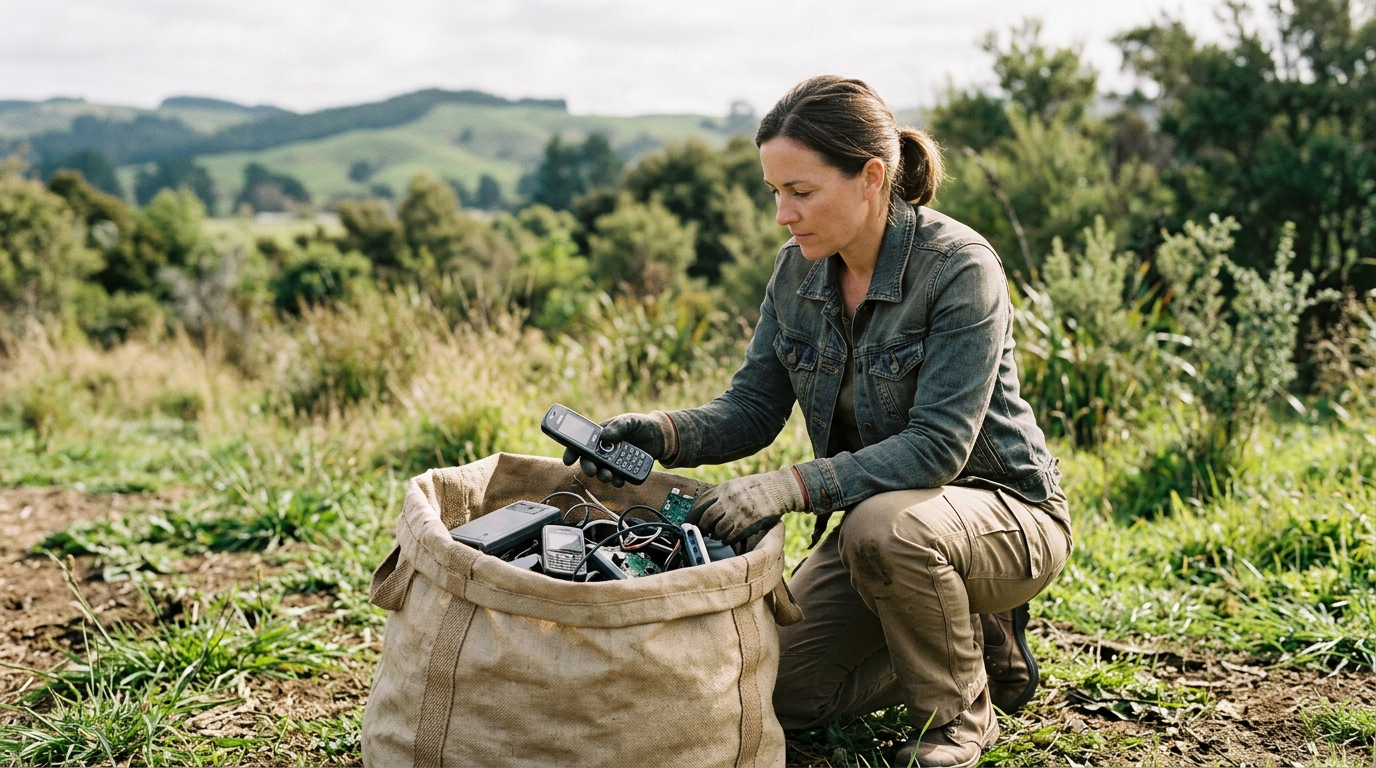
The GSMA launched a global initiative to encourage mobile networks and manufacturers to recycle more phones and e-waste, emphasizing the importance of tech sustainability. This move addresses the growing concern over electronic waste, aiming to reduce environmental impacts and promote responsible recycling practices.
Last reviewed by Samantha Holloway on 16 August 2026
What's the GSMA's New Recycling Initiative?
The GSMA introduced its new recycling initiative aimed at reducing phone and e-waste in mobile networks globally. By setting specific targets for recycling rates and promoting awareness campaigns, they aim to significantly increase formal recycling of discarded devices.
According to the WEEE Forum, over 5 billion mobile phones were estimated to be sitting unused in drawers worldwide in 2022.
Launched in August 2026, this initiative directly addresses the alarming growth in global e-waste-projected to reach 74 million tonnes by 2035 according to the UN Global E-Waste Monitor. Currently, only 22.3% of all electronic waste is formally recycled worldwide, leaving a significant portion either improperly discarded or burned, contributing to pollution and health hazards.
How Does This Affect Electronics Recycling?
This initiative will boost electronics recycling efforts by setting clear targets for network operators and manufacturers. By focusing on increasing the collection and processing of e-waste, it aims to improve the overall rate of formal recycling from 22.3% to a more sustainable level.
According to the WHO, e-waste contains over 1,000 different substances, many of them toxic.
With an estimated 1 million phones containing approximately 35kg of gold, 340kg of silver, and 15kg of palladium, recovering these precious metals becomes economically viable alongside environmentally necessary. The initiative encourages the adoption of urban mining practices-extracting valuable materials from discarded electronics-thus making recycling not just an environmental necessity but also a lucrative business opportunity.
What Are the Key Goals for Mobile Network Operators?
Mobile network operators are tasked with increasing their collection and processing rates, aiming to reach at least 40% formal recycling by 2030. This goal aligns with broader sustainability targets set forth in various regulations such as the [WEEE Directive](/regulations/weee-directive-eu) within the EU.
According to the US EPA, recycling one million laptops saves the energy equivalent of electricity used by 3,657 us homes in a year.
The initiative also calls on operators to develop consumer-friendly take-back programs, ensuring that individuals are encouraged to return their old devices rather than disposing of them improperly. By doing so, they not only reduce landfill waste but also contribute to a circular economy where materials can be reused and repurposed.
What Role Will Manufacturers Play in This Initiative?
Manufacturers play a important role by designing phones with easier disassembly and fewer hazardous substances, making recycling more efficient and less harmful. At tech sustainability, they're encouraged to adopt stricter RoHS standards for their products, thereby reducing the environmental impact associated with e-waste disposal.
manufacturers will be expected to invest in innovative recycling technologies that can recover precious metals from discarded devices at higher rates than traditional methods. This includes exploring techniques such as hydrometallurgy and pyro-metallurgy for more sustainable extraction processes.
How Can Individuals Contribute?
Individuals play a critical role by participating actively in take-back programs offered by mobile networks and manufacturers. By returning their old phones, they contribute to reducing the amount of e-waste that ends up in landfills or is improperly incinerated.
Consumers can also support tech sustainability by choosing products from companies committed to recycling initiatives and circular economy practices. Engaging with local recycling centers that specialize in handling electronic waste safely ensures that materials are recovered responsibly rather than discarded carelessly.
What Should You Do Now?
To get involved, start by checking if your mobile network operator offers a take-back program for old phones. If not, contact them directly to express interest and support such initiatives. Additionally, familiarize yourself with local recycling facilities through directories like eCycling Central or other reputable sources.
By taking these steps, you help drive the demand for better practices in tech sustainability and contribute towards creating a cleaner, more resource-efficient environment.
Sources