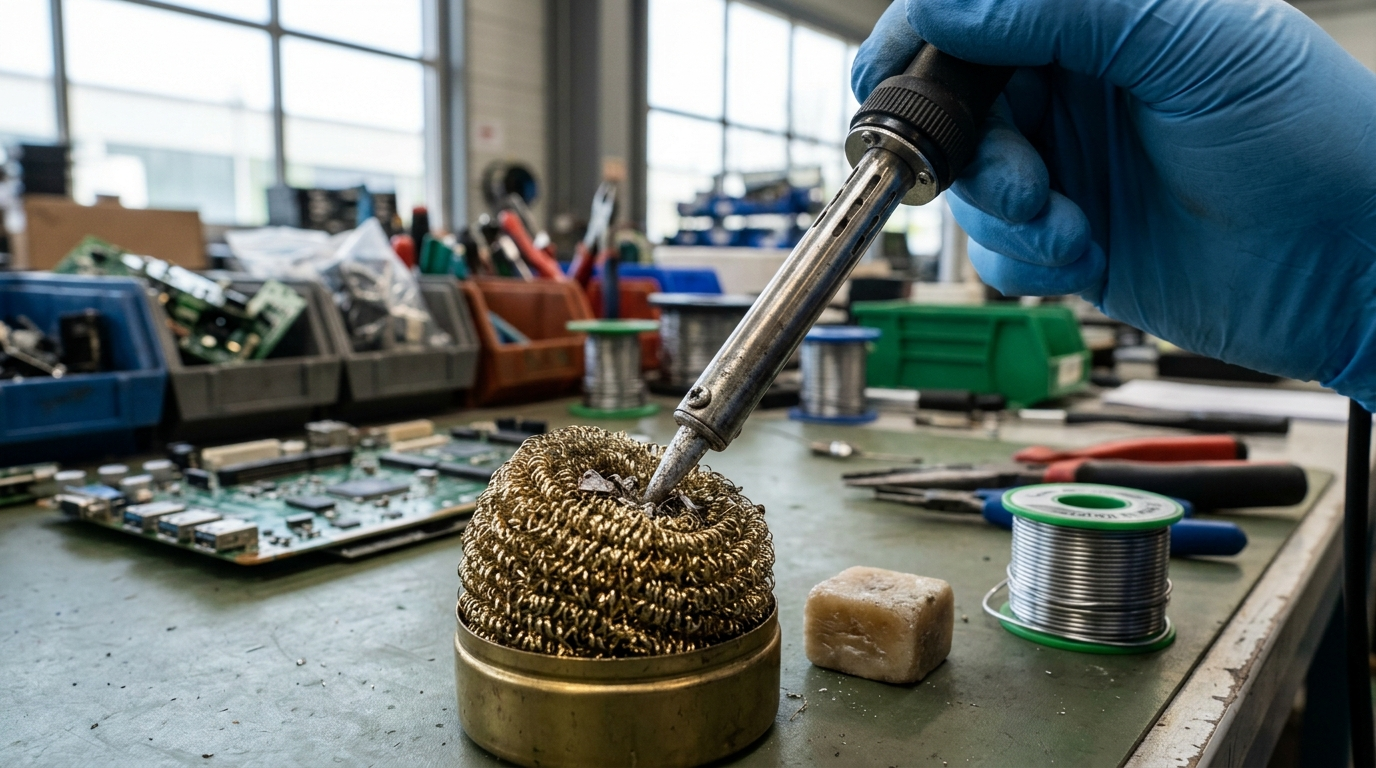
The FixHub Smart Soldering Iron's release of seven new tips is a significant step forward for tech enthusiasts and repair professionals, but it doesn't directly impact the broader issue of electronics recycling. However, the implications for sustainable practices in technology are noteworthy.
Last reviewed by Samantha Holloway on 21 August 2026
How Does This Affect Electronics Recycling?
This development doesn't affect electronics recycling directly; however, it supports a culture of repairing devices rather than replacing them. In 2023, only 22.3% of e-waste was recycled formally worldwide, highlighting the importance of repair initiatives in reducing waste.
According to the Shift Project, manufacturing a new smartphone produces 50-80kg of co2 equivalent.
The new soldering tips from FixHub encourage users to extend the life of their gadgets by fixing issues rather than discarding broken items. This aligns with the principles of a circular economy and can reduce the amount of electronic waste generated yearly, which is projected to reach 62 million tonnes globally by 2024.
What Are the Environmental Impacts?
Using soldering tips to repair electronics has a lower environmental impact compared to manufacturing new devices. By repairing instead of replacing, less energy is consumed and fewer materials are required, reducing carbon emissions and resource depletion.
According to the World Economic Forum, e-waste is the fastest-growing waste stream globally.
For instance, recycling one million smartphones can recover significant amounts of precious metals-35kg of gold, 340kg of silver, and 15kg of palladium. These figures highlight the value in repairing electronics rather than discarding them, as repair efforts contribute to resource conservation and urban mining initiatives.
How Does This Relate to Right-to-Repair Movements?
The release of new soldering tips supports right-to-repair movements by helping consumers with tools that make repairs easier and more accessible. In countries like the UK and EU, regulations aim for higher recycling rates-65% of electronics placed on the market must be collected under WEEE directives.
According to the Apple Environmental Report 2024, apple recovered over 1 tonne of gold from recycled devices in 2023.
Repair initiatives also align with US efforts to promote repair rights through legislation such as the Right to Repair bills, which have gained traction across multiple states. By enabling users to fix their devices, these tools help reduce e-waste and support sustainable practices in technology use.
What Are Some Practical Steps for Consumers?
To make a difference in electronics recycling:
- Repair rather than replace: Use resources like FixHub's soldering tips to extend the life of your gadgets.
- Recycle responsibly: Ensure that old devices are recycled through certified facilities. This helps recover valuable materials and reduces environmental harm.
For more information on how to recycle batteries safely or handle lithium-ion batteries, check out our guides on [battery recycling](/guides/how-to-recycle-batteries-safely) and [lithium battery safety handling storage disposal](/guides/lithium-battery-safety-handling-storage-disposal).
By taking these steps, consumers can play an active role in reducing e-waste and promoting sustainable electronics practices.
Sources
- Shift Project
- World Economic Forum
- Apple Environmental Report 2024