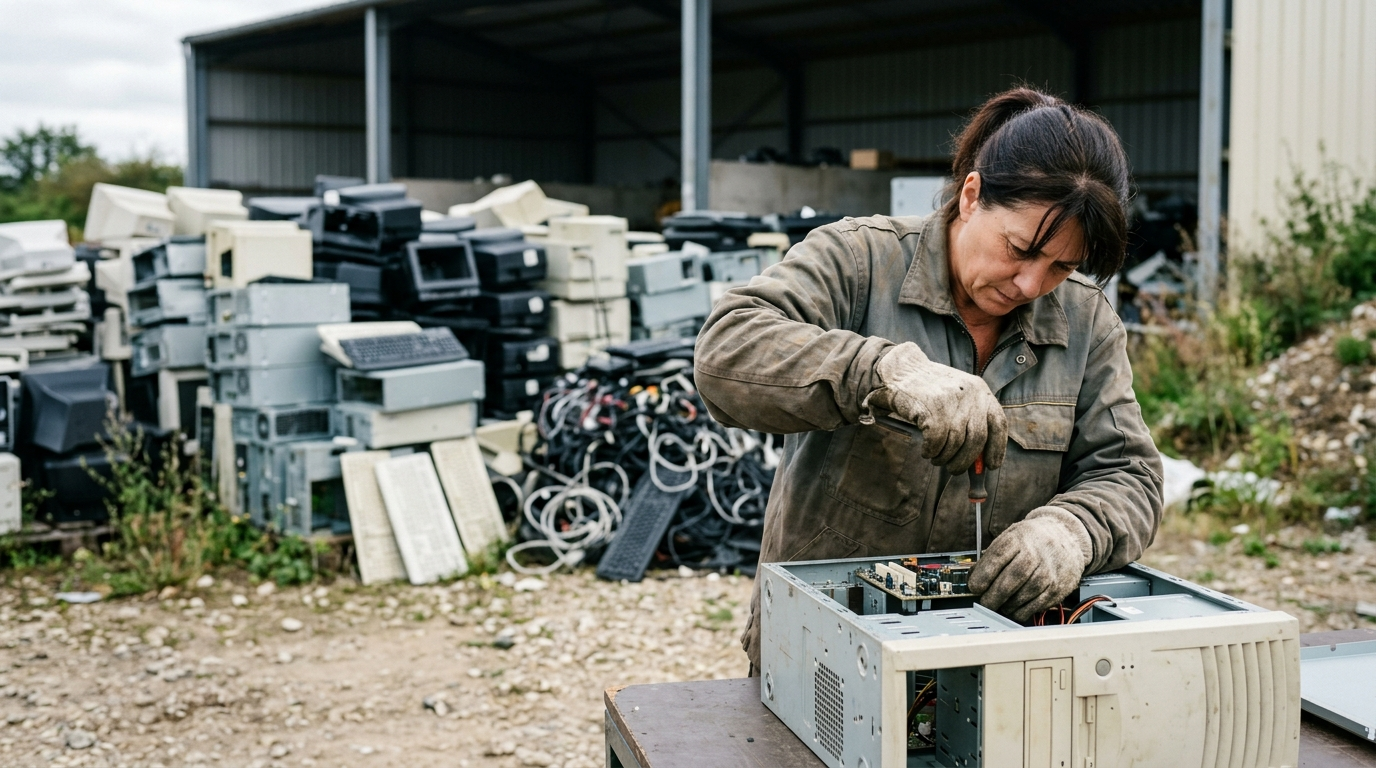
Tech sustainability in Europe is set to grow significantly by 2029, driven by increased regulations and consumer demand for eco-friendly products. According to MarketsandMarkets' report published this August, the European electronic waste recycling market is forecasted to reach €17 billion by 2029 from an estimated €8.6 billion in 2023, reflecting a Compound Annual Growth Rate (CAGR) of around 12%. This growth highlights the critical importance of proper e-waste disposal and recycling practices.
Last reviewed by Samantha Holloway on 31 August 2026
What Happened and Why It Matters for People Who Recycle Electronics or Care about E-Waste?
The recent report highlights that European countries are implementing stricter regulations to manage electronic waste. For example, the EU's Waste Electrical and Electronic Equipment (WEEE) Directive has set a collection target of 65% by weight of electronics placed on the market in each country. This directive aims to reduce environmental impacts while promoting recycling and reusing materials from e-waste.
According to the WEEE Forum, over 5 billion mobile phones were estimated to be sitting unused in drawers worldwide in 2022.
How Does This Affect Electronics Recycling?
The WEEE Directive is important for driving tech sustainability efforts. Setting clear targets for recycling rates and improving waste management practices across Europe. By mandating higher collection rates, the directive encourages manufacturers and consumers alike to focus on reducing waste and increasing recycling activities. In 2023 alone, EU member states collectively recycled over 16 million tonnes of e-waste, marking a significant increase from previous years.
What Are Key Challenges in Achieving Higher Recycling Rates?
One major challenge is the varying levels of compliance across different countries within Europe. While some nations exceed the WEEE Directive targets, others struggle to meet even the basic requirements. For instance, Germany and Norway have collection rates above 70%, whereas Bulgaria and Croatia lag behind at around 50%. These discrepancies highlight the need for more uniform practices and enforcement.
What Role Do Consumers Play in Tech Sustainability?
Consumers can significantly influence tech sustainability by choosing products that are designed to last longer and are easier to repair. Initiatives like the Right to Repair, which allows users to fix their own devices or take them to independent shops rather than manufacturer-authorised ones, have gained traction in countries such as France and Germany. This movement encourages manufacturers to design more durable electronics, reducing the amount of waste generated.
According to the WHO, e-waste contains over 1,000 different substances, many of them toxic.
How Do Valuable Materials Factor into Recycling Efforts?
Recycling e-waste isn't just about managing waste but also recovering valuable materials like gold, silver, and palladium. A million smartphones contain approximately 35kg of gold and 340kg of silver-materials that are increasingly scarce due to rising demand from industries like electronics and automotive. By recycling these devices, we can recover critical resources while reducing environmental impacts.
What Are Some Upcoming Trends in the E-Waste Recycling Industry?
One emerging trend is the focus on urban mining. Where valuable metals and rare earth elements are extracted from discarded electronics. This practice not only helps conserve natural resources but also supports a circular economy by encouraging the reuse of materials. Additionally, there's increasing interest in recycling technologies that can handle newer types of devices such as electric vehicle batteries and solar panels.
What Can Individuals Do to Promote Tech Sustainability?
Individuals should consider donating or selling their old electronics instead of throwing them away. Many organisations offer take-back programs for devices like smartphones, laptops, and tablets. staying informed about local recycling options and regulations can help ensure that e-waste is handled responsibly. Checking if a recycler is certified by the Basel Convention ensures adherence to strict international standards.
According to the US EPA, recycling one million laptops saves the energy equivalent of electricity used by 3,657 us homes in a year.
What Should Businesses Do Now?
Businesses should incorporate tech sustainability into their corporate social responsibility (CSR) strategies by adopting practices such as designing products for longevity, offering repair services, and participating in recycling schemes. By doing so, companies not only comply with regulations but also contribute positively to environmental conservation efforts.
By embracing these practices and staying informed about evolving regulations and technological advancements, individuals and businesses alike can play a key role in advancing tech sustainability goals globally.
Sources