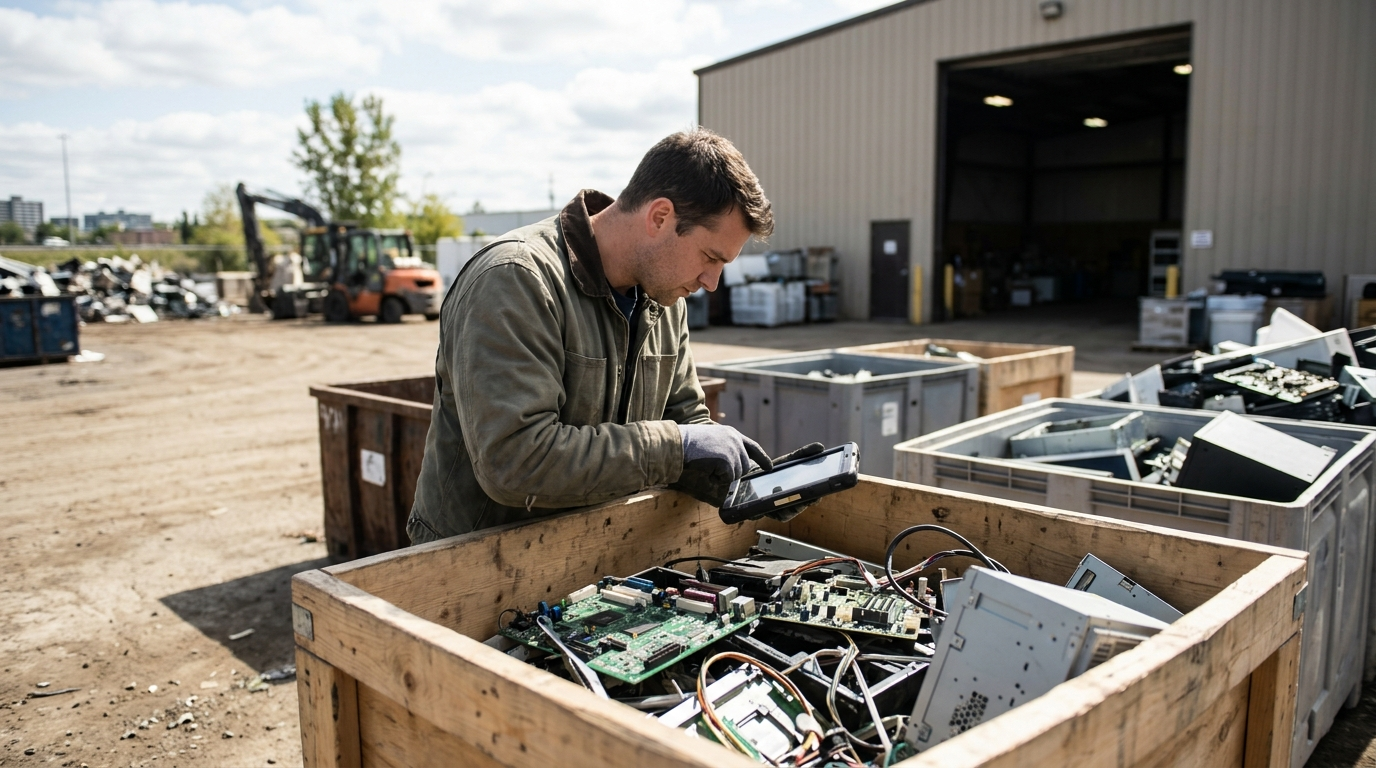
Starting in August 2026, permitted and licensed organisations handling controlled waste must report the receipt of such waste through a specific service. This update by UK DEFRA Environment affects how electronics recycling is tracked and reported.
Last reviewed by Samantha Holloway on 07 August 2026
How Does This Affect Electronics Recycling?
This regulation impacts organisations involved in electronics recycling by mandating them to accurately record and report all incoming
e-waste as controlled waste.
Organisations will need to register for the "Report receipt of waste" service, which ensures proper documentation and compliance with environmental regulations. This move is important because it enhances transparency and accountability in handling
electronic waste.
In August 2026, UK DEFRA Environment implemented a new regulation requiring permitted and licensed organisations to report controlled waste through a designated system. This update has significant implications for electronics recycling operations across the country. The requirement applies specifically to those who handle e-waste as part of their business activities, ensuring that all incoming material is recorded accurately.
According to the UN Global E-Waste Monitor 2024, only 22.3% of e-waste was properly collected and recycled in 2022.
With global e-waste expected to reach 62 million tonnes per year by 2024, according to the UN Global E-Waste Monitor, responsible tracking and reporting become increasingly important. Only about 22.3% of this waste is formally recycled worldwide, highlighting a need for better management practices. The new regulation in the UK will help close these gaps by enforcing stricter record-keeping standards for organisations dealing with e-waste.
What Are Permitted Organisations Required to Do?
Permitted organisations must register and use the "Report receipt of waste" service to track all incoming electronic waste. electronics recycling also need to maintain detailed records of waste types, quantities, and handling methods.
This requirement ensures that each piece of electronics is accounted for from collection through final disposal or recycling.
The specific duties include registering with the official reporting system, entering details about the type and quantity of e-waste received, and regularly updating this information. Organisations must also keep physical records on-site as backup. By doing so, these businesses can prove compliance with environmental regulations and contribute to better waste management practices overall.
According to the Consumer Technology Association, The average US household has 21 unused electronic devices.
What Are the Benefits of Reporting E-Waste?
Reporting e-waste helps ensure proper disposal or recycling, reduces illegal dumping, and aids in recovering valuable materials from electronics. electronics recycling also supports efforts towards a
circular economy.
This practice not only minimizes environmental harm but also recovers precious metals like gold (35kg per million phones) and silver (340kg), making it economically viable to reuse these resources.
Proper reporting leads to better data collection on e-waste, enabling more informed policy decisions. electronics recycling also supports the overall goal of increasing recycling rates and reducing landfill waste. accurate tracking helps organisations comply with regulations such as the EU [WEEE Directive](/regulations/weee-directive-eu) and RoHS, which aim at minimizing hazardous substances in electronics.
How Will This Impact Consumers?
Consumers will benefit from improved transparency and better environmental practices by businesses handling their e-waste. electronics recycling also encourages responsible disposal of old devices.
This means that when you recycle an electronic device, it's more likely to be handled correctly according to established regulations and standards.
With stricter controls in place, consumers can trust that the electronics they dispose of will be recycled responsibly rather than contributing to harmful practices like illegal dumping or improper disposal abroad. Consumers should look for recycling centers certified under relevant directives such as WEEE and RoHS. These certifications indicate adherence to proper handling and recycling procedures.
What Should Organisations Do Now?
Organisations need to register with the "Report receipt of waste" service immediately if they haven't already done so. They must also review their internal processes to ensure accurate tracking and reporting.
It's important for them to familiarize themselves with all relevant regulations, including WEEE and RoHS directives, and adapt accordingly.
By taking these steps now, businesses can avoid potential fines and penalties while contributing positively to environmental sustainability efforts. Regular training sessions on the new requirements will also help staff stay compliant. For more detailed guidance on compliance and best practices, organisations should consult resources from DEFRA Environment or other authoritative bodies dedicated to e-waste management.
According to the Counterpoint Research, The global refurbished smartphone market was worth $49.3 billion in 2023.
Learn more about [right-to-repair here](/guides/right-to-repair-what-it-means) Sustainability guide for circular economy in electronics Guidance on WEEE Directive compliance
Sources
- UN Global E-Waste Monitor 2024
- Consumer Technology Association
- Counterpoint Research