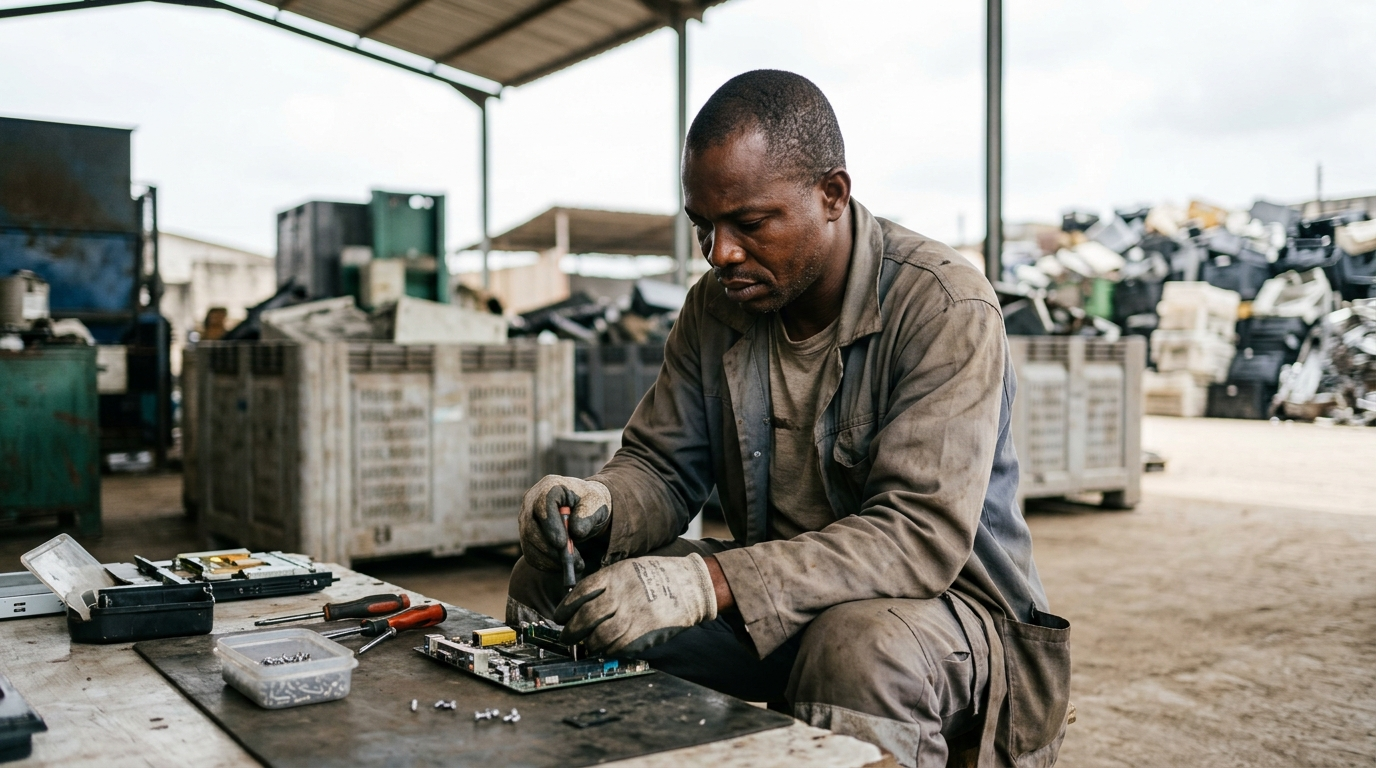
Dangote and E-Terra Technologies have announced a partnership aimed at addressing Nigeria's growing e-waste crisis, marking a significant step in the country's efforts to manage electronic waste responsibly.
Last reviewed by Samantha Holloway on 06 September 2026
What's the Partnership Between Dangote and E-Terra?
The collaboration involves setting up an e-waste management facility that will handle 10,000 tonnes of e-waste annually by September 2026. This initiative aims to improve recycling rates in Nigeria, where only about 8% of e-waste is formally recycled.
Tech sustainability efforts are increasingly important as the world generates over 62 million tonnes of e-waste annually. With a mere 22.3% being formally recycled globally. In Nigeria, informal recycling practices pose significant environmental and health risks due to inadequate waste management infrastructure. The partnership between Dangote and E-Terra addresses these issues by providing a regulated channel for the disposal and recycling of electronic devices.
According to the Royal Society of Chemistry, mobile phones contain up to 60 different elements, including critical raw materials.
How Does This Affect Electronics Recycling?
This collaboration enhances formal e-waste recycling in Nigeria, ensuring that valuable materials like gold, silver, palladium, and copper are recovered safely. For instance, one million phones contain 35kg of gold and 340kg of silver. By establishing a dedicated facility, Dangote and E-Terra aim to reduce the environmental impact while creating economic opportunities through
urban mining.
The partnership also sets a precedent for other African countries facing similar challenges. The establishment of such facilities can lead to increased investment in e-waste management technologies and better waste regulation enforcement across the continent. Additionally, this move supports compliance with international regulations like the Basel Convention and EU's WEEE Directive, which mandate safe disposal practices.
What Are the Environmental Benefits?
The environmental benefits are substantial. By reducing uncontrolled dumping and burning of electronic devices, air and soil pollution decreases. This initiative also helps conserve natural resources by recycling valuable metals instead of mining them anew.
setting up a formal e-waste management system reduces health risks to those involved in informal recycling activities. Workers handling waste without proper equipment face significant hazards from toxic substances found in electronics. The new facility will ensure that these materials are handled safely and recycled efficiently. Significantly reducing the exposure risk for workers.
How Does This Impact Local Communities?
Communities surrounding e-waste disposal sites often suffer from pollution and health issues due to improper disposal methods. Establishing a regulated recycling plant reduces these risks by controlling how waste is processed. this initiative creates job opportunities in areas such as collection, sorting, and processing of e-waste.
Local communities benefit not only through reduced environmental impacts but also via economic development spurred by the employment generated from the new facility. It's estimated that one million mobile phones contain 15kg of palladium, which can be recovered and reused, thereby supporting a circular economy model where materials are continuously cycled back into production.
According to the BankMyCell depreciation tracker, The average smartphone loses 35-45% of its trade-in value within the first year.
What Should We Do Now?
Individuals and businesses should prioritize responsible e-waste disposal by using certified recycling facilities like the one being established in Nigeria. Supporting such initiatives through engagement or direct involvement can further enhance tech sustainability efforts globally. Additionally, advocating for stronger policies that enforce regulated recycling practices is important to ensuring a safer environment and economy.
For more information on how you can contribute to tech sustainability, check out our guides on [right-to-repair](/guides/right-to-repair-what-it-means) and circular economy. These resources provide actionable steps for improving the lifecycle of electronic products and reducing waste.
Sources
- Royal Society of Chemistry
- BankMyCell depreciation tracker
- UNEP