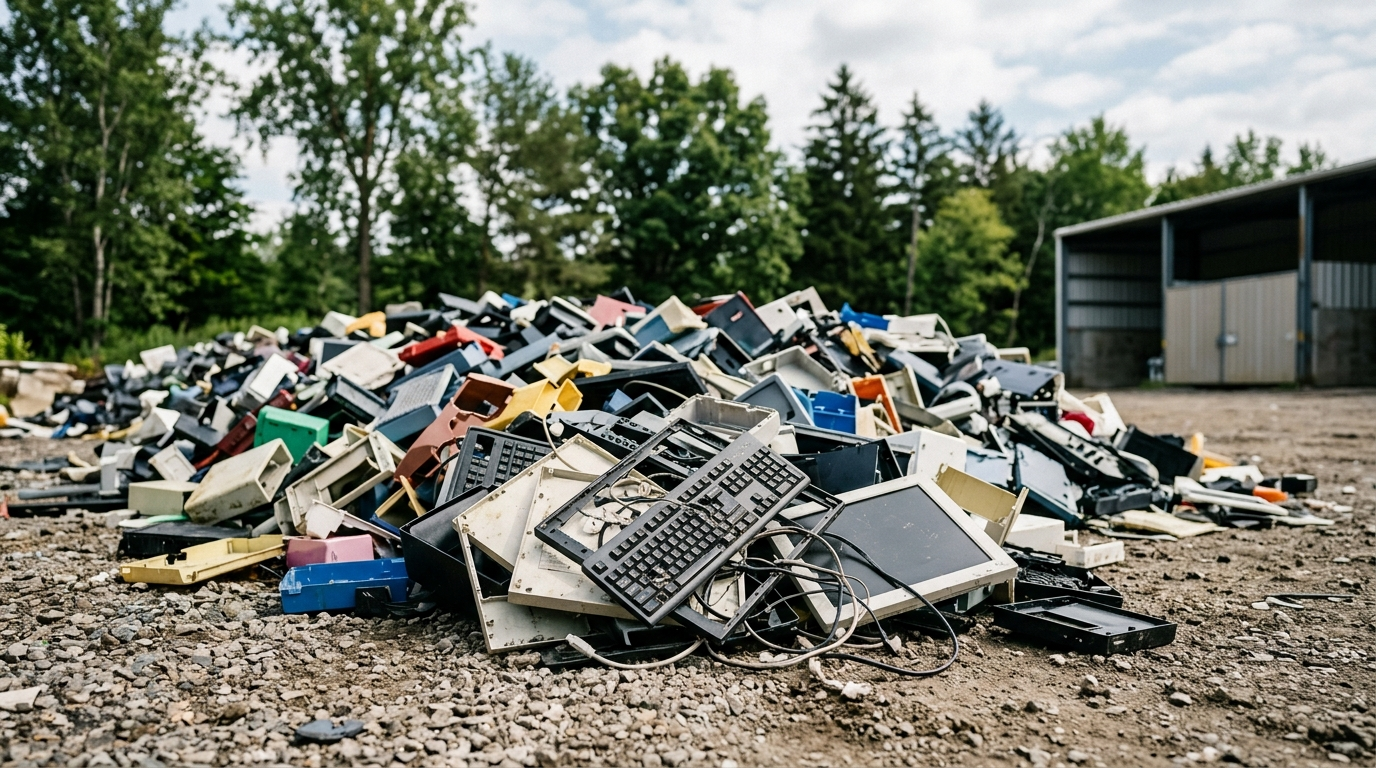
Commentary: The electronics recycling industry has a plastics problem, and pretending otherwise is no longer an option, according to Recycling Today. Commentary: The electronics recycling industry has a plastics problem, and pretending otherwise is no longer an option - Recycling Today This issue matters because the increasing volume of plastic waste from discarded devices challenges existing recycling infrastructure, leading to environmental harm.
Last reviewed by Samantha Holloway on 22 June 2026
How Does This Affect Electronics Recycling?
This affects electronics recycling by highlighting inefficiencies in current recycling methods that fail to handle the surge in plastic waste effectively. Only 22.3% of global
e-waste is formally recycled worldwide, according to the UN Global E-Waste Monitor 2024.
The rise in plastic content in electronics complicates traditional recycling processes designed primarily for metals and circuit boards. Plastics often contain a mix of polymers that are difficult to separate accurately, reducing recovery rates and purity levels. This inefficiency means much plastic waste ends up in landfills or is improperly disposed of, exacerbating environmental issues.
According to the UNEP, A single tonne of circuit boards contains 40-800 times more gold than a tonne of ore.
What Are the Environmental Impacts?
Plastic components from e-waste can release toxic chemicals when incinerated or left to decompose improperly in dumps. For instance, the average smartphone contains over 60 different elements, many of which are hazardous if not handled correctly during recycling. This highlights the need for more sophisticated and sustainable plastic recovery techniques.
the improper disposal of e-waste containing plastics contributes to soil and water pollution, impacting ecosystems and public health negatively. Recycling Today's commentary emphasizes that addressing this issue is critical as the volume of e-waste grows exponentially, with an estimated 62 million tonnes generated globally each year.
What Are Some Solutions Being Discussed?
Solutions being discussed include improving recycling technologies to better handle mixed plastics found in electronics, developing new biodegradable materials for use in manufacturing, and enhancing regulations that mandate stricter recycling standards. For example, the EU's
[WEEE Directive](/regulations/weee-directive-eu) aims to increase collection rates to 65% of all electrical equipment put on the market.
encouraging manufacturers to design products with easier disassembly and recycling in mind could reduce plastic waste significantly. This approach aligns with principles of a circular economy, where materials are reused rather than discarded after use.
What Does This Mean for Consumers?
For consumers, this means considering the environmental impact of their electronic purchases more seriously. Opting for devices made from recyclable or biodegradable materials can help mitigate plastic waste problems. supporting companies that adhere to strict recycling practices and advocate for better regulations is important.
Consumers should also familiarize themselves with local e-waste disposal guidelines and ensure proper recycling of old electronics rather than throwing them away. By doing so, individuals contribute positively towards reducing environmental harm caused by improper e-waste management.
According to the WHO, improper e-waste disposal releases toxic substances including lead, mercury, and cadmium into soil and water.
What Should Businesses Do Now?
Businesses involved in electronics manufacturing and recycling must invest in research and development for more effective plastic recovery technologies. They should also collaborate with regulatory bodies to advocate for stricter enforcement of existing laws like the WEEE Directive or
RoHS regulation, ensuring compliance across supply chains.
businesses can adopt circular economy principles by designing products that are easier to recycle at end-of-life stages. This includes using fewer hazardous materials and facilitating disassembly processes to recover valuable components efficiently.
What Can Governments Do?
Governments need to enforce existing regulations more rigorously while also considering new policies to address emerging challenges posed by plastic waste in e-waste streams. For instance, they could introduce extended producer responsibility schemes that hold manufacturers accountable for the entire lifecycle of their products, including proper disposal and recycling.
governments should support initiatives aimed at educating consumers about the importance of responsible electronics disposal practices. By promoting awareness campaigns and providing clear guidelines on how to recycle e-waste safely, authorities can build a culture of sustainability among citizens.
By addressing these challenges head-on, stakeholders across the board can work towards mitigating the plastics problem in the electronics recycling industry effectively, ensuring a cleaner future for our planet.
Learn more about [right-to-repair movements and circular economy principles](/guides/right-to-repair-what-it-means) Explore guidelines on how to recycle batteries safely
Sources
- UNEP
- WHO
- UN Global E-Waste Monitor 2024