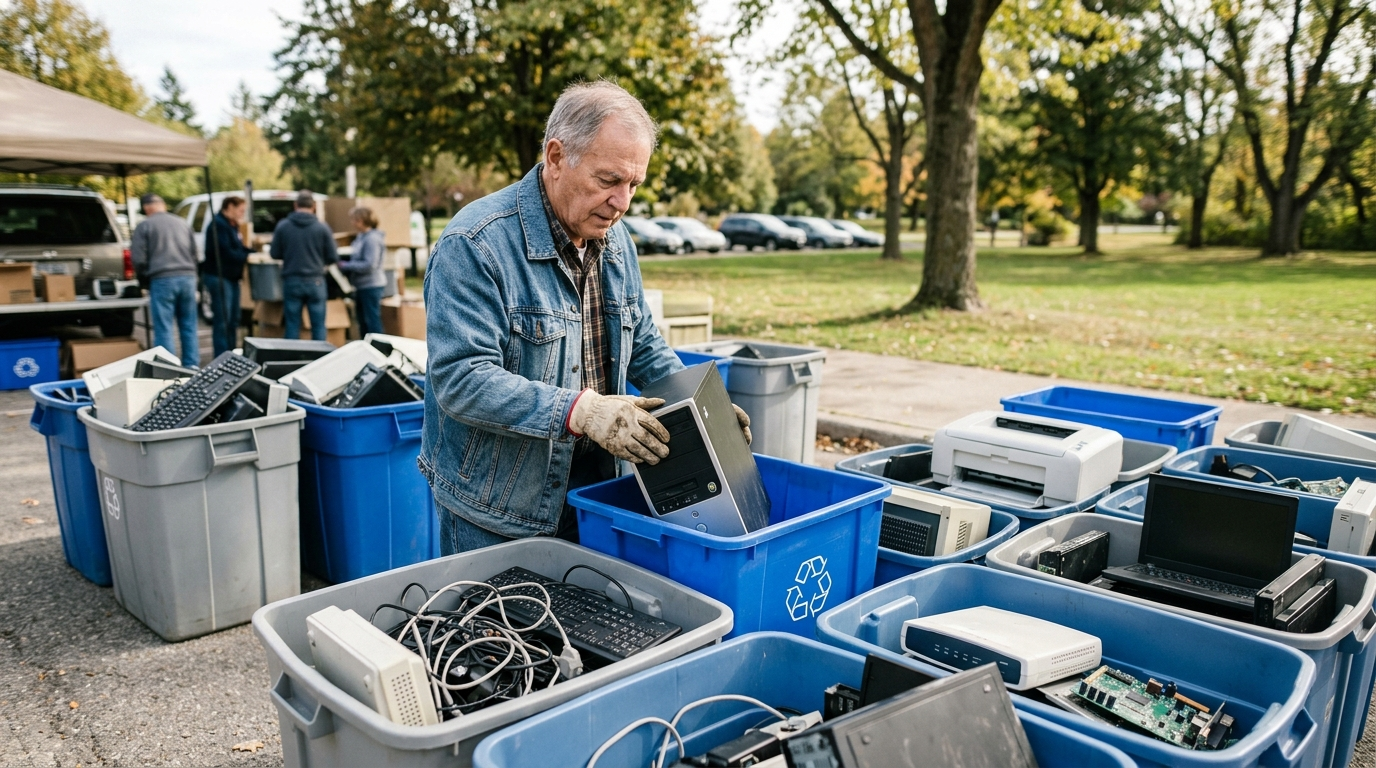
The global increase in e-waste is a pressing concern, with the world generating over 62 million tonnes of electronic waste annually according to the UN Global E-Waste Monitor 2024. This staggering amount highlights the urgent need for proper electronics recycling and disposal practices.
Last reviewed by Samantha Holloway on 07 August 2026
Why Is Electronics Recycling Important?
Electronics recycling is vital because it helps recover valuable materials from discarded devices, reducing environmental impact and conserving resources. Additionally, proper disposal prevents hazardous substances in e-waste from polluting soil and water sources.
According to the Counterpoint Research, The global refurbished smartphone market was worth $49.3 billion in 2023.
In August 2026, the focus on electronics recycling intensified as more countries adopted stringent regulations to manage e-waste responsibly. For example, the EU's WEEE Directive aims for a collection rate of 65% by weight of electrical equipment placed on the market, making it important that consumers and businesses comply with these guidelines.
How Does This Affect Electronics Recycling?
Regulations like the WEEE Directive affect electronics recycling by mandating higher collection rates and encouraging manufacturers to design products for easier disassembly. These rules ensure better environmental stewardship but also require more strong infrastructure for handling e-waste.
According to the UN Global E-Waste Monitor 2024, The value of raw materials in global e-waste was estimated at $91 billion in 2022.
As of 2026, about 22.3% of global e-waste is formally recycled worldwide, meaning there's significant room for improvement in recycling rates and practices across all regions, including the US with its 6.92 million tonnes generated annually.
What Are the Benefits of Recycling Electronics?
Recycling electronics offers numerous benefits such as recovering valuable materials like gold (1 kg per million phones) and silver (340 kg), which are otherwise lost when devices end up in landfills.
According to the Shift Project, manufacturing a new smartphone produces 50-80kg of co2 equivalent.
recycling reduces greenhouse gas emissions linked to manufacturing new products from raw materials. By reusing components and metals, the energy required for production decreases significantly.
How Can Consumers Get Involved?
Consumers can participate actively by seeking out certified electronics recyclers who adhere to environmental standards set forth by regulations like RoHS and WEEE directives. They should also check if their local government offers free recycling programs or partnerships with retailers who take back used devices during purchase of new ones.
staying informed about initiatives such as right-to-repair laws can help consumers to extend the lifespan of their electronics through repair rather than replacement.
What Are Some Challenges in Electronics Recycling?
One major challenge is the complexity and variety of materials found within electronic products. The average smartphone contains over 60 different elements, making efficient disassembly difficult without specialized knowledge or equipment.
Another issue is the growing prevalence of lithium-ion batteries, which pose unique disposal challenges due to their chemical composition. Proper handling and recycling processes must be in place to prevent fires and environmental contamination.
What Are Best Practices for Businesses?
Businesses should implement full e-waste management strategies that include regular audits of electronic inventories, establishing take-back programs, and partnering with reputable recyclers certified under relevant regulations like WEEE or RoHS.
By adopting circular economy principles, businesses can reduce costs associated with raw material sourcing while contributing positively to environmental sustainability efforts.
What Should You Do Now?
To start recycling your electronics responsibly, first identify local collection events or drop-off locations listed on the EPA's eCycling website and other reputable sources. Alternatively, contact manufacturers directly for their take-back schemes which often offer free services under certain conditions.
consider donating functional devices to charities instead of discarding them outright. This not only recycles but also redistributes technology where it can still be beneficial.
For further guidance on specific types of electronics like batteries or solar panels, refer to our guides on battery recycling and solar panel disposal for detailed instructions.
By taking these steps today, you contribute significantly towards reducing the environmental footprint of electronic waste while supporting sustainable practices in your community.
Sources
- Counterpoint Research
- UN Global E-Waste Monitor 2024
- Shift Project