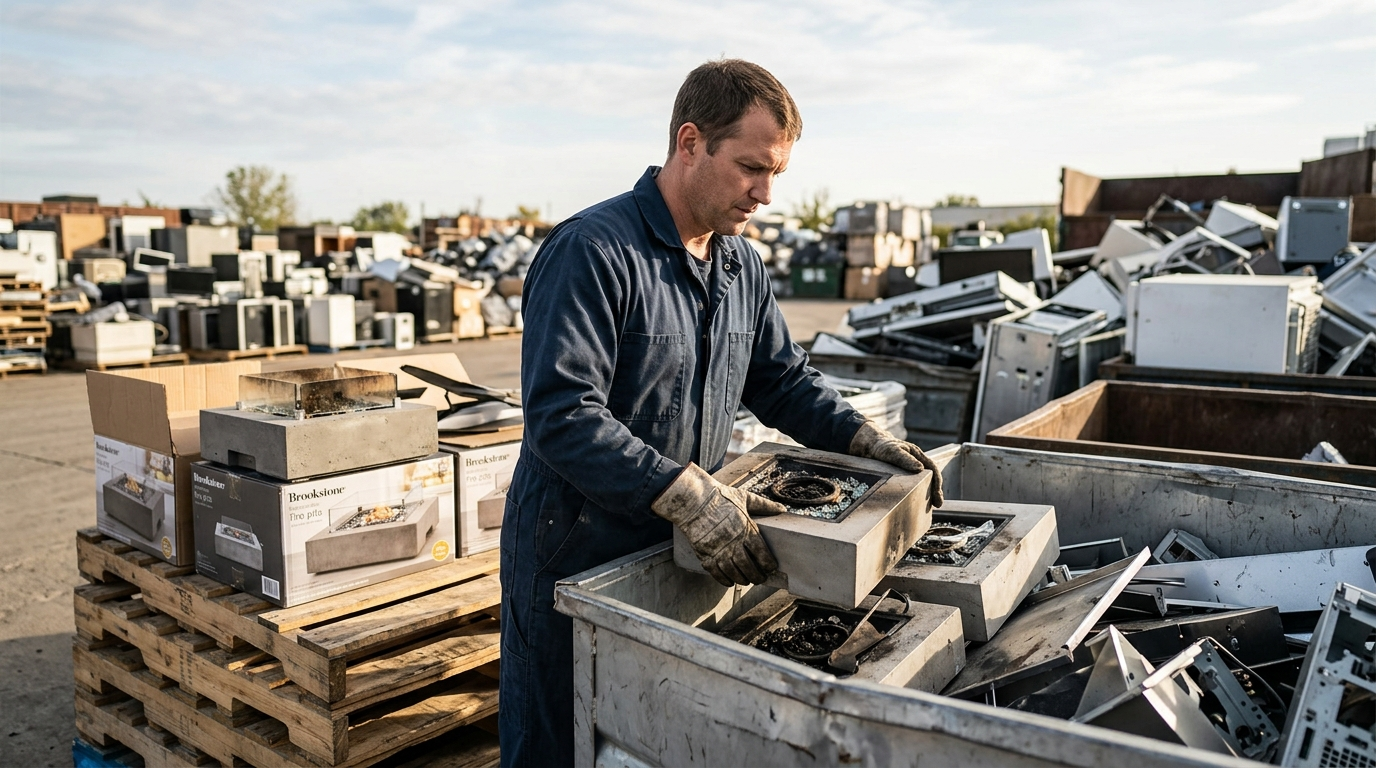
Southern Telecom recalled Brookstone-branded tabletop fire pits in August 2026 due to the risk of serious burn injuries or death from flame jetting and fire hazards. This recall highlights critical safety issues related to consumer products, but it also highlights the importance of responsible electronics recycling.
Last reviewed by Samantha Holloway on 14 August 2026
The recall affects nearly 37,000 units sold at Brookstone stores and on Amazon.com between January 2019 and June 2026. The primary danger lies in uncontrolled pool fires where flames burn across pooled or spilled alcohol, as well as flame jetting from fuel containers, posing a significant risk to users.
How Does This Affect Electronics Recycling?
This recall doesn't directly affect electronics recycling but it draws attention to broader issues of product safety and waste management. When consumers discard faulty products like these fire pits without proper disposal methods, they contribute to the growing problem of e-waste pollution.
The global production of e-waste reached 62 million tonnes in 2024, with only about 22.3% being formally recycled worldwide. Proper electronics recycling ensures that hazardous materials are safely managed and valuable resources like gold, silver, and palladium can be recovered.
What Are the Safety Risks Associated with Improper Disposal of Recalled Products?
Improper disposal or dumping of recalled products poses significant safety risks to the environment and human health. For instance, batteries in electronic devices contain toxic metals that can leach into soil and water if not disposed of correctly. In 2030, the lithium-ion battery market is expected to reach 2.5 TWh, increasing concerns about improper disposal.
The dangers extend beyond just physical harm; improperly recycled electronics often end up in informal recycling sites where workers face severe health risks due to exposure to toxic substances without proper protective equipment or regulations.
What Are Some Key Regulations Governing E-Waste Management?
Several key regulations aim to manage e-waste responsibly. In the EU, the Waste Electrical and Electronic Equipment (WEEE) Directive sets targets for collection and recycling of electrical goods. As of 2023, EU countries must achieve a WEEE collection rate of at least 65% based on the amount of electronics placed on the market.
Similarly, in the US, there are state-level regulations such as California's Electronic Waste Recycling Act (CA AB 2901) which mandates that manufacturers fund recycling programs for their products. The Basel Convention also plays a important role by regulating the transboundary movement of hazardous waste between countries to prevent dumping in less developed nations.
How Can Consumers Safely Dispose of Recalled or Outdated Devices?
Consumers can safely dispose of recalled or outdated devices through certified electronics recyclers who adhere to strict environmental and health standards. Many retailers, like Best Buy and Staples, offer take-back programs for used electronics. Additionally, local government websites often provide information on designated e-waste collection events.
Another option is donating working electronic items to charitable organizations. This not only extends the lifespan of devices but also reduces overall waste generation. For instance, Goodwill has a partnership with Dell Technologies for recycling and donation services in multiple states across the US.
What Is the Impact of E-Waste on the Environment?
E-waste impacts the environment significantly due to hazardous substances such as lead, mercury, and cadmium found in electronic devices. At electronics recycling, when improperly disposed of, these materials can contaminate soil and water sources. burning e-waste releases toxic gases that contribute to air pollution.
Recycling electronics helps recover valuable metals like gold (1 million phones contain 35kg), silver (340kg), and palladium (15kg). These recycled resources are important for manufacturing new products, reducing the need for virgin materials and conserving natural resources.
What Are Consumers' Rights Regarding Recalled Products?
Consumers have rights under various consumer protection laws to ensure safe products. In the US, the Consumer Product Safety Commission (CPSC) oversees recalls and provides information on how consumers can get their money back or receive a replacement if they bought a recalled product. Similarly, in Europe, the General Data Protection Regulation (GDPR) includes provisions for data security and privacy which indirectly affects how personal information is managed during recycling processes.
In Australia, the Australian Competition and Consumer Commission (ACCC) enforces strict guidelines to ensure that businesses comply with safety standards for consumer goods, including electronics. Consumers can report faulty products or safety concerns through these bodies to protect themselves and others from harm.
What Can Be Done Now?
To address the growing issue of e-waste, consumers should prioritize purchasing refurbished devices or opting for extended warranties when possible. Additionally, supporting legislation that mandates manufacturers to take back their old products encourages a circular economy where materials are reused rather than discarded.
For businesses, implementing sustainable practices in product design and manufacturing can significantly reduce waste. This includes designing products with recyclability in mind and adhering to regulations like the WEEE Directive or RoHS (Restriction of Hazardous Substances) to minimize environmental impact.
By taking these steps, we can move towards a more sustainable future where electronics are recycled responsibly and safely, reducing harm to both people and the planet.
According to the WHO, improper e-waste disposal releases toxic substances including lead, mercury, and cadmium into soil and water.
Sources
- WHO
- UN Global E-Waste Monitor 2024
- European Parliament