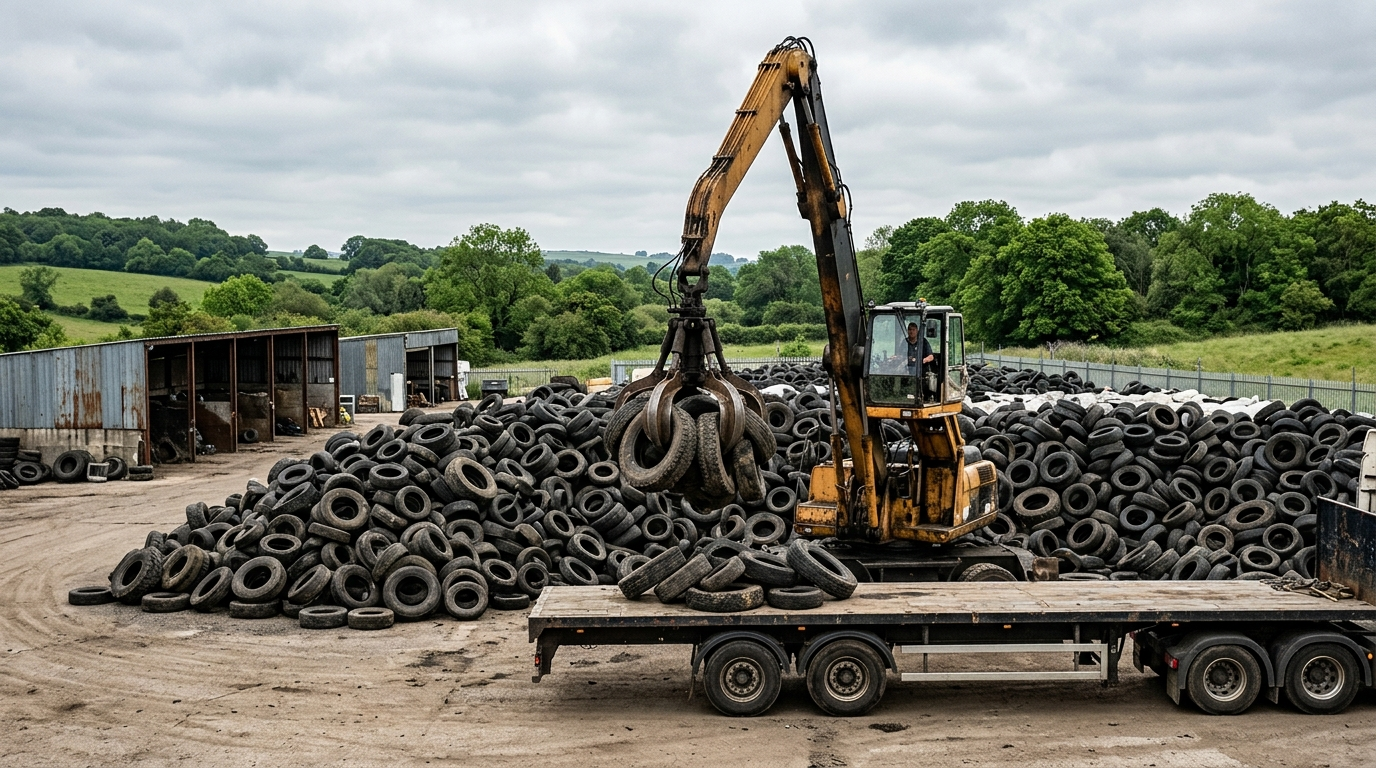
The Environment Agency's internal review into the export of waste pneumatic tyres to India highlights critical regulatory gaps and raises questions about similar oversight in electronics recycling practices, affecting how we manage e-waste globally.
Last reviewed by Samantha Holloway on 13 August 2026
What Are The Key Takeaways From The Report?
The report identifies significant issues with the current regulations surrounding the export of waste tires, highlighting potential flaws in environmental compliance checks for other forms of hazardous waste, including electronic waste. It matters because it sheds light on the broader challenges faced by countries and organizations tasked with managing e-waste responsibly.
According to the Shift Project, manufacturing a new smartphone produces 50-80kg of co2 equivalent.
In August 2026, the UK Environment Agency published an internal review into how it oversees the export of used tires to India. The report found that while tire exports are governed under the Basel Convention. There were inconsistencies in compliance verification processes, leading to potential environmental risks at destination sites. This finding is particularly relevant for electronics recycling because similar oversight challenges could affect the proper disposal and management of e-waste.
According to the UN Global E-Waste Monitor 2024, globally, over 62 million tonnes of electronic waste were generated in 2023 alone, but only about 22.3% was formally recycled worldwide. The report's findings raise questions about how effectively countries are ensuring that e-waste is being managed sustainably and not exported to areas with inadequate disposal facilities.
How Does This Affect Electronics Recycling?
This affects electronics recycling by highlighting the need for rigorous checks on export destinations and compliance verification processes to prevent improper disposal of hazardous materials. It matters because lax oversight can lead to e-waste ending up in regions ill-equipped to handle it safely, potentially causing environmental harm.
The report's conclusions are a wake-up call for regulators overseeing electronics recycling. For instance, the EU WEEE Directive sets collection targets but doesn't address all export-related issues thoroughly. If only 22.3% of global e-waste is formally recycled annually, ensuring that this small percentage is managed responsibly becomes even more critical.
What Can We Learn From The Tire Export Case Study?
We can learn from the tire export case study about the importance of strong compliance checks and documentation for all types of waste management practices, including electronics recycling. Ensuring transparency and accountability in how e-waste is handled and disposed of is important to prevent environmental damage and promote sustainable practices.
The Basel Convention aims to control transboundary movements of hazardous and other wastes and their disposal, but gaps in its enforcement mechanisms can lead to loopholes that harm the environment. For example, a million smartphones contain significant amounts of precious metals-35kg gold, 340kg silver, 15kg palladium-making proper recycling important for resource recovery.
What Are The Regulatory Implications?
Regulatory implications include the need for stricter compliance verification and documentation requirements to ensure that e-waste isn't improperly exported. This includes improving regulations on hazardous waste management practices to align with international standards like the Basel Convention, RoHS, and WEEE Directive more closely.
The EU's target of collecting 65% of electronics placed on the market by weight by 2031 highlights the ongoing effort to improve recycling rates but also highlights the need for better export controls. Ensuring that e-waste is recycled responsibly requires a full approach beyond just increasing collection targets.
What Should Consumers Do Now?
Consumers should be aware of where their discarded electronics end up and opt for certified recyclers who adhere to strict environmental standards. By choosing reputable recycling services, consumers can help prevent the improper disposal of hazardous materials from reaching areas lacking proper waste management infrastructure.
For more information on how you can responsibly recycle your e-waste, check out our guide on [right-to-repair](/guides/right-to-repair-what-it-means) and explore resources like [urban mining](/glossary/urban-mining), which highlight the value in recycling electronic devices for their precious materials.
Sources
- Shift Project
- World Economic Forum
- Apple Environmental Report 2024