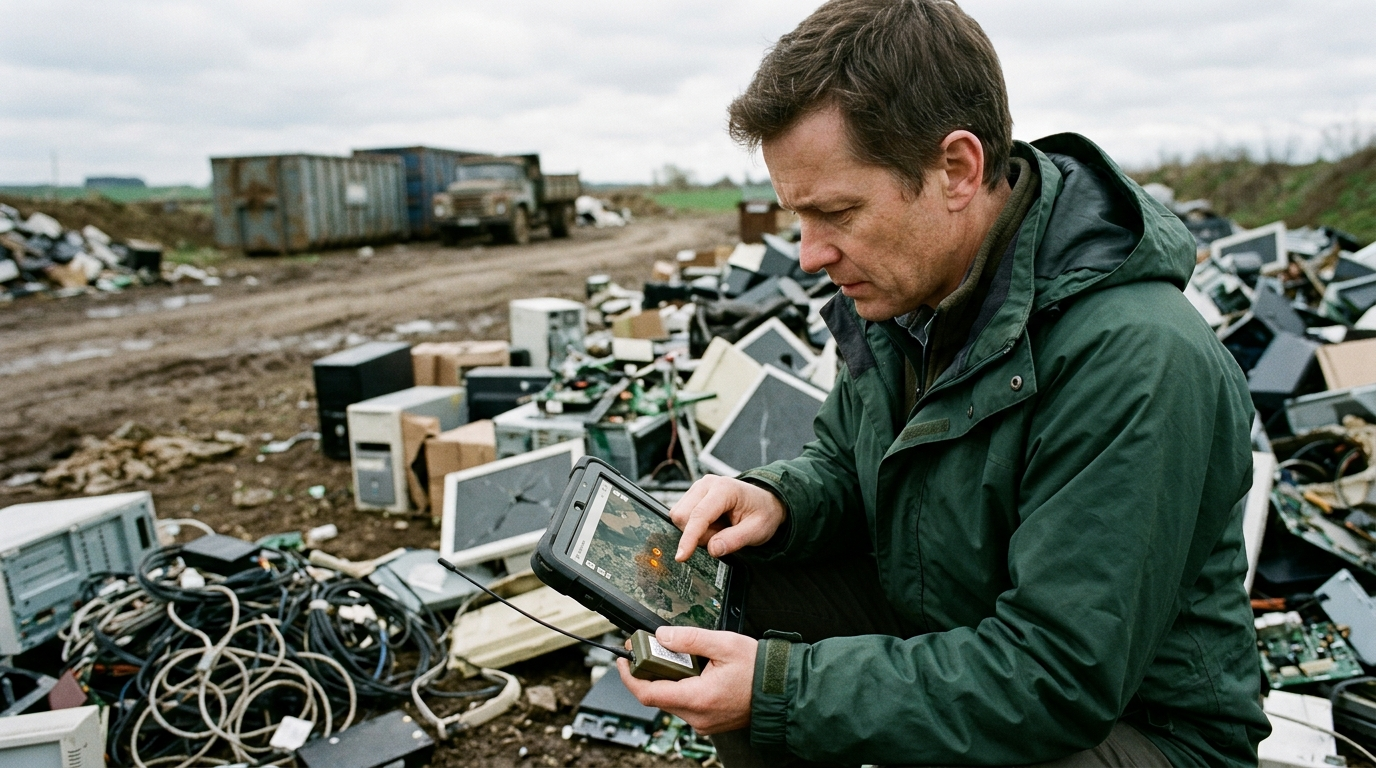
The UK Department for Environment, Food and Rural Affairs (DEFRA) launched a new tracking system in October 2026 that monitors the movement of waste materials more closely than ever before, potentially holding electronics recyclers accountable to higher standards.
Last reviewed by Samantha Holloway on 01 October 2026
What Is This New Tracking System?
This system tracks hazardous waste streams including electronic waste, making it harder for criminals to hide illegal dumping or exportation. electronics recycling By introducing real-time GPS tracking and strong data analysis, the UK aims to enhance transparency in the recycling industry.
According to the Counterpoint Research, The global refurbished smartphone market was worth $49.3 billion in 2023.
In October 2026, DEFRA unveiled a new e-waste tracking system aimed at reducing environmental crime related to hazardous materials like electronics. The initiative builds on existing regulations such as the WEEE Directive (Waste Electrical and Electronic Equipment) within the EU and similar frameworks across other regions, including Australia's Product Stewardship legislation.
How Does This Affect Electronics Recycling?
It significantly tightens oversight of how waste is managed and disposed of, particularly in electronics recycling. Recyclers must now provide detailed documentation for each consignment, ensuring transparency and compliance with environmental laws.
According to the UN Global E-Waste Monitor 2024, The value of raw materials in global e-waste was estimated at $91 billion in 2022.
For example, the WEEE Directive sets out specific targets for e-waste collection rates; by 2030, EU member states are required to collect at least 65% of all electrical equipment placed on their markets. This new system supports these efforts by enforcing stricter monitoring protocols that can help achieve higher recycling rates and safer disposal practices.
What Are the Key Benefits for Consumers?
Consumers benefit from knowing that e-waste is managed responsibly, reducing environmental harm and ensuring valuable materials are recovered effectively through processes like urban mining. The tracking system also helps prevent toxic substances from ending up in landfills or being improperly exported to developing countries.
According to the Shift Project, manufacturing a new smartphone produces 50-80kg of co2 equivalent.
According to estimates by the UN Global E-Waste Monitor 2024, the world generates around 62 million tonnes of e-waste annually but only recovers about 13.8 million tonnes through formal recycling channels-a mere 22.3%. The new tracking system aims to improve these figures by ensuring better accountability and compliance within the electronics recycling industry.
What Are Some Environmental Concerns Addressed?
The primary concern addressed is the illegal exportation of e-waste, which often ends up in countries with less stringent environmental regulations. By enforcing stricter monitoring, this system helps prevent toxic materials from being dumped improperly, thus protecting public health and preserving natural resources.
Another critical issue tackled by the tracking system involves the recovery of precious metals and rare earth elements found in electronic devices. These include gold, silver, palladium, copper, and other valuable commodities that can be reused through proper recycling processes. For instance, one million smartphones contain approximately 35kg of gold and 340kg of silver.
What Are the Legal Implications for Recyclers?
Recyclers must now comply with stringent new data reporting requirements. Non-compliance can result in hefty fines or legal action under existing environmental laws such as the Basel Convention, which regulates transboundary movements of hazardous wastes including e-waste.
The system promotes adherence to EU's WEEE Directive and other regional regulations like Australia's Product Stewardship schemes, ensuring that all parties involved in the recycling chain operate within legal boundaries. These directives mandate specific collection rates and treatment standards for electronic waste, contributing to a more sustainable circular economy model.
What Can Individuals Do Now?
Individuals can contribute by responsibly disposing of their old electronics through certified recyclers or take-back programs. They should also stay informed about local regulations regarding e-waste disposal and support initiatives aimed at extending the lifespan of devices through practices like right-to-repair legislation (learn more here).
By engaging with community-based recycling drives, signing up for manufacturer take-back schemes, and advocating for stricter enforcement of waste regulations, consumers can play a important role in reducing e-waste pollution and promoting sustainable electronics management.
Sources
- Counterpoint Research
- UN Global E-Waste Monitor 2024
- Shift Project