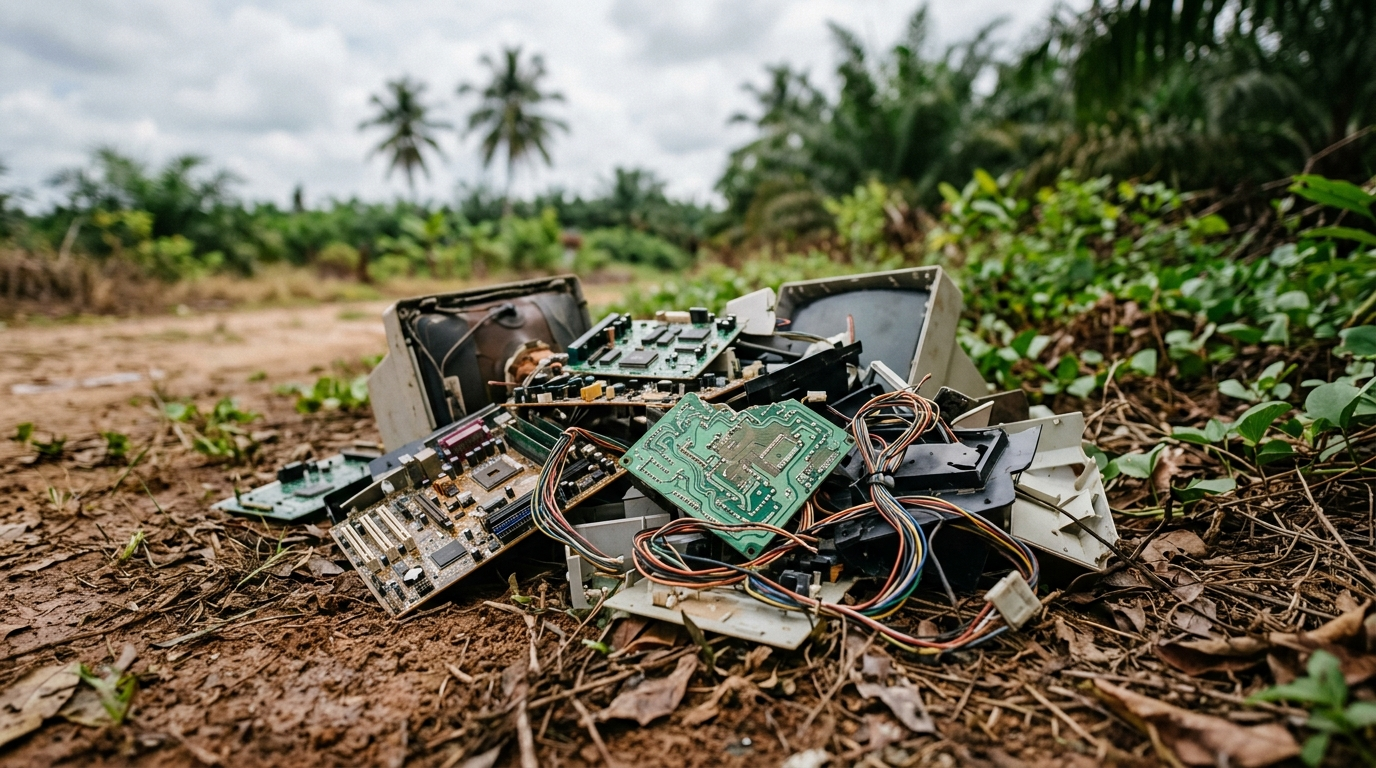
Malaysia has implemented a total ban on e-waste imports as of August 1, 2026, to address environmental and health concerns linked to toxic waste processing.
Last reviewed by Samantha Holloway on 24 August 2026
This move directly impacts global electronics recycling practices by shifting the burden of managing e-waste back onto countries that generate it. tech sustainability The ban aims to halt illegal dumping and the spread of hazardous materials in Southeast Asia.
How Does This Affect Electronics Recycling?
The ban affects electronics recycling by redirecting waste streams away from Malaysia, a key destination for e-scrap imports. Countries like the US and EU now face increased pressure to handle their own
electronic waste responsibly.
Malaysia's decision comes after years of scrutiny over illegal dumping practices that contaminated local water supplies with toxic chemicals. The World Health Organization (WHO) reports that 12% of Malaysia's air pollution is attributed to improper e-waste disposal.
The total volume of global e-waste reached an estimated 62 million tonnes in 2024, according to the United Nations Global E-Waste Monitor, with only about 22.3% being formally recycled worldwide. This highlights the importance of Malaysia's ban as it forces other countries to address their own waste management practices.
What Are the Main Reasons for the Ban?
The main reasons for the ban are to curb environmental damage and protect public health from toxic substances used in electronic devices.
Malaysia has been a significant hub for e-waste imports, receiving over 1.5 million tonnes of scrap annually before the ban. The country's authorities argue that this practice led to severe pollution and health risks.
The hazardous materials found in electronics, such as lead, mercury, and cadmium, pose serious threats when improperly disposed of or recycled. For instance, one million discarded phones contain about 35 kg of gold and 340 kg of silver, highlighting the economic value but also the environmental hazards associated with e-waste.
According to the WHO, e-waste contains over 1,000 different substances, many of them toxic.
What Are the Alternatives for Recycling E-Waste?
Alternatives include improving domestic recycling infrastructure, promoting
circular economy practices, and enforcing stricter regulations on waste exports.
Countries like the EU have set ambitious targets under the
WEEE Directive, aiming to collect 65% of electronics placed on the market by 2030. This directive sets a precedent for responsible e-waste management through producer responsibility schemes.
Recycling facilities in developed nations can now focus more heavily on processing their own e-scrap rather than exporting it to countries with less stringent environmental controls. For example, urban mining initiatives aim to recover valuable materials from discarded electronics, reducing the need for virgin resource extraction.
What Are the Challenges Faced by Manufacturers and Consumers?
Manufacturers face challenges in adapting supply chains and product design to reduce waste generation and facilitate easier recycling.
Consumers must also adapt by embracing products designed for longevity and repairability. The
right-to-repair movement advocates for better access to spare parts, manuals, and technical information to extend the lifespan of electronic devices.
The EU's RoHS regulation restricts the use of hazardous substances in electronics sold within its borders, pushing manufacturers towards more sustainable materials and practices. This aligns with global efforts towards a circular economy where resources are kept in use for as long as possible.
What Should People Do Now?
People should take advantage of local recycling programs and ensure they dispose of e-waste responsibly.
For detailed guidance on how to recycle specific types of electronics safely, visit our guides such as
[battery recycling](/guides/how-to-recycle-batteries-safely) or
[heat pump recycling](/guides/heat-pump-recycling-and-disposal-guide). Understanding and supporting the principles behind the circular economy can also drive change in how tech sustainability is approached globally.
By taking these steps, individuals contribute to a more sustainable future where electronic waste is managed with care for both environmental health and economic benefits.
Sources
- WHO
- US EPA
- UN Global E-Waste Monitor 2024