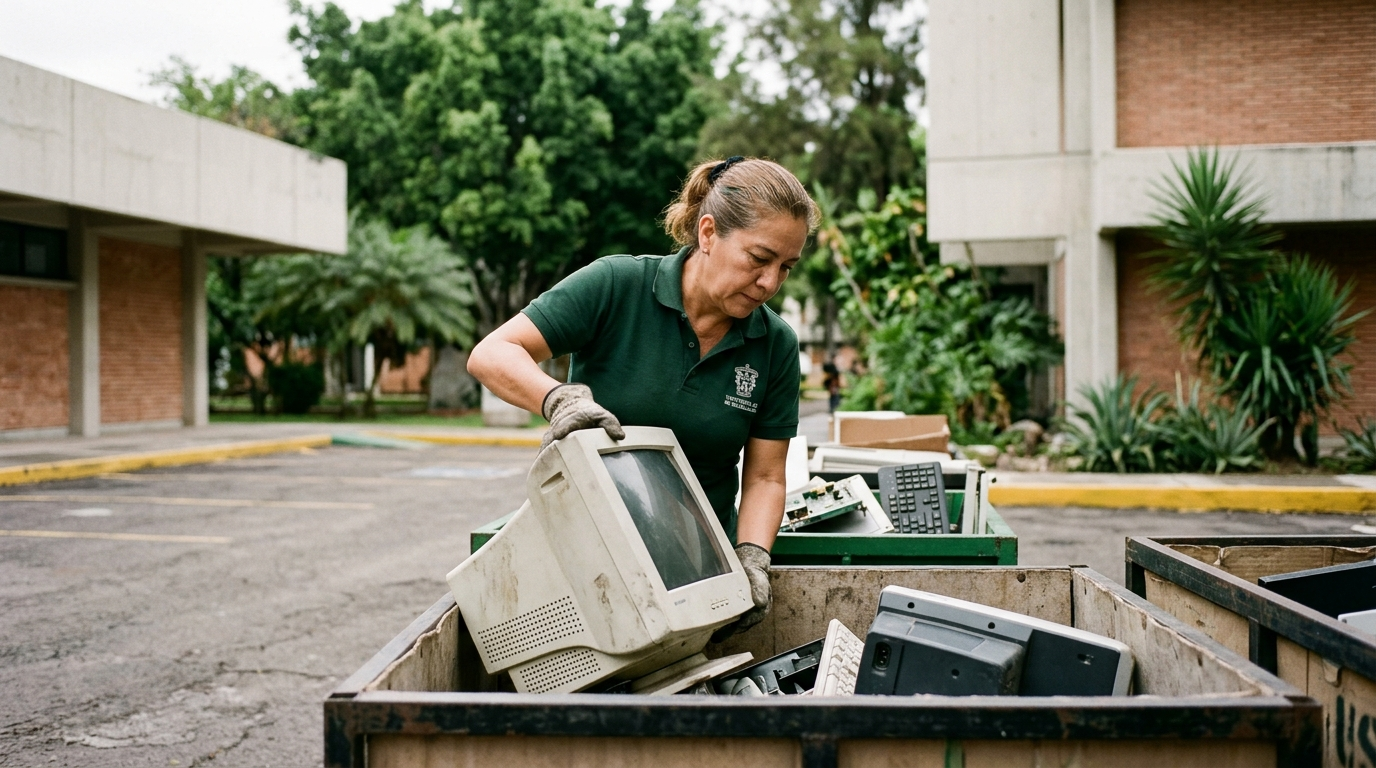
The Universidad de Guadalajara's Rec-olectrón 2024 electronic waste collection campaign is wrapping up, highlighting the importance of proper e-waste disposal and recycling efforts in Mexico. This initiative highlights the urgent need for sustainable tech practices to address the growing problem of electronic waste globally.
Last reviewed by Samantha Holloway on 08 September 2026
What's the Rec-olectrón Campaign?
The Rec-olectrón 2024 campaign aims to collect and responsibly recycle e-waste from communities across Guadalajara, Mexico. Organized by the Universidad de Guadalajara, it seeks to educate the public about the environmental impact of improper disposal methods.
This campaign plays a important role in raising awareness about tech sustainability issues within Mexico's educational institutions and local communities. By encouraging recycling, it helps prevent hazardous materials from entering landfills and reduces pollution.
According to the European Parliament, less than 1% of rare earth elements in e-waste are currently recycled.
How Does This Affect Electronics Recycling?
The Rec-olectrón campaign directly supports electronics recycling by providing collection points for e-waste that would otherwise end up in regular waste streams. In 2023, the initiative collected over 5 metric tons of electronic devices. By ensuring these items are recycled properly, it contributes to global efforts to increase formal e-waste recycling rates.
Recycling initiatives like Rec-olectrón help recover valuable materials such as gold and silver from discarded electronics. For instance, processing just one million smartphones yields approximately 35 kilograms of gold and 340 kilograms of silver, demonstrating the economic value in recovering these resources.
What Are the Environmental Benefits?
Properly recycling e-waste reduces environmental pollution significantly. When electronic devices aren't recycled, toxic substances like lead and mercury can leach into soil and groundwater, causing long-term ecological damage. The campaign's success in collecting 5 metric tons of e-waste last year means that fewer hazardous materials were released into the environment.
recycling helps reduce carbon emissions associated with manufacturing new electronics from raw materials. By reusing components and precious metals, tech sustainability initiatives like Rec-olectrón contribute to a more circular economy where waste is minimized.
What Are Some Practical Steps for Individuals?
Individuals can support tech sustainability by participating in campaigns similar to Rec-olectrón when available locally or using certified e-waste recycling facilities year-round. For example, the EU
[WEEE Directive](/regulations/weee-directive-eu) mandates that member states collect 65% of electronics placed on the market annually-a benchmark that encourages widespread adoption of responsible disposal practices.
consumers can consider buying refurbished devices and participating in take-back programs offered by manufacturers to ensure their old gadgets are recycled responsibly. By doing so, individuals help drive demand for better recycling infrastructure and more sustainable tech solutions globally.
According to the WEEE Forum, over 5 billion mobile phones were estimated to be sitting unused in drawers worldwide in 2022.
What Can Businesses Do?
Businesses have a critical role in promoting tech sustainability through corporate policies that prioritize responsible disposal of electronic waste. Companies can set up internal recycling programs or partner with certified e-waste recyclers to ensure their discarded electronics are managed safely and efficiently.
businesses should advocate for stricter regulations on the export of hazardous e-waste to developing countries, where proper disposal facilities may be lacking. For instance, adhering to the Basel Convention's guidelines helps prevent illegal dumping practices that endanger communities worldwide.
What Should Policymakers Focus On?
Policymakers must prioritize legislation that mandates higher standards for tech sustainability across industries. This includes enforcing strict recycling targets and promoting repairability of electronic devices through laws like the
right-to-repair, which gives consumers greater access to repairing their gadgets instead of discarding them prematurely.
By implementing these measures, governments can build an environment where businesses are incentivized to adopt more sustainable practices and consumers are empowered with knowledge about how to dispose of e-waste responsibly. For example, the EU's WEEE Directive sets specific collection targets for member states, aiming for at least 65% of electronics placed on the market each year.
What Can You Do Now?
Don't wait until next year's Rec-olectrón campaign starts-get involved today! Check if there are any local e-waste recycling drives happening near you or find a certified recycler through your municipal waste management department. For more information, visit
eCycling Central for guides on safe battery disposal and other tech sustainability resources.
By taking small steps now, individuals can make a big impact in protecting the environment from harmful e-waste and supporting global efforts towards a circular economy.
According to the WHO, e-waste contains over 1,000 different substances, many of them toxic.
Sources
- European Parliament
- WEEE Forum
- WHO