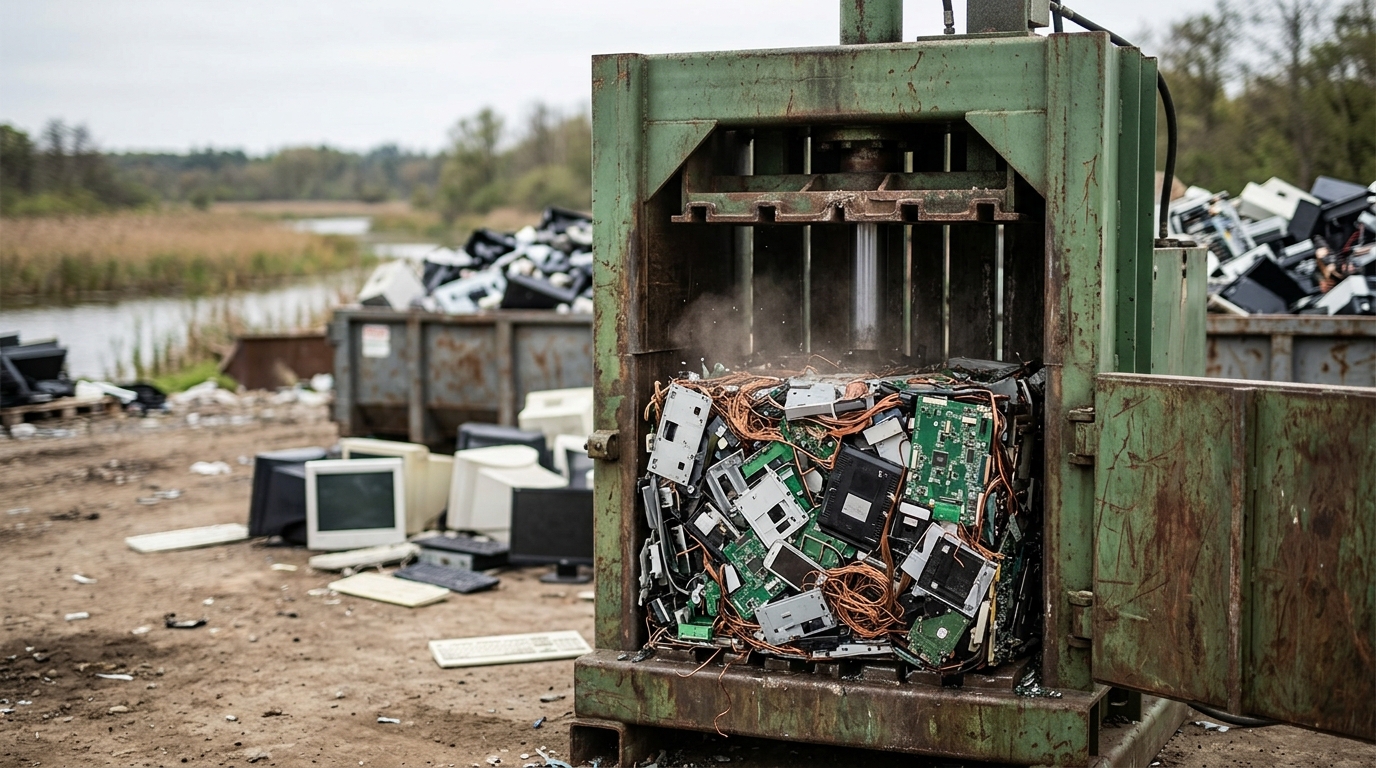
The Joint statement on United Kingdom-Netherlands circular economy finance collaboration announced in June 2026 aims to enhance the financial mechanisms supporting sustainable electronics recycling and e-waste management, significantly impacting how waste is handled globally.
Last reviewed by Samantha Holloway on 24 June 2026
How Does This Affect Electronics Recycling?
This initiative directly supports electronics recycling by providing financial incentives for businesses involved in the circular economy. Joint statement on United Kingdom-Netherlands circular economy finance collaboration includes grants, loans, and subsidies aimed at boosting sustainable practices across industries like electronics manufacturing and recycling.
According to the UN Global E-Waste Monitor 2024, The world generated 62 million tonnes of e-waste in 2022, up 82% from 2010.
The Joint statement on United Kingdom-Netherlands circular economy finance collaboration sets ambitious targets to boost e-waste recycling rates. For instance, it aims to increase formal recycling processes from the current 22.3% globally to over 40% by 2035 for both nations combined. This means more funding will go towards improving infrastructure and technology in electronics recycling plants.
The statement also emphasizes the importance of urban mining-recovering valuable materials like gold, silver, and palladium from discarded devices. For context, one million smartphones contain approximately 35kg of gold, highlighting the economic benefits of efficient e-waste management. This initiative will likely lead to more investment in technologies that can extract these precious metals more effectively.
What Are The Legal Implications for Businesses?
Businesses must now comply with stricter regulations regarding e-waste disposal and recycling practices. Companies operating within the UK and Netherlands face new legal requirements, such as adhering to the EU WEEE Directive which mandates a 65% collection target of electronics placed on the market.
companies will need to ensure their products are designed for longevity and ease of repair, aligning with principles outlined in the [right-to-repair](/guides/right-to-repair-what-it-means) movement. This means manufacturers must provide spare parts and repair manuals, reducing electronic waste by extending product lifespans.
The Joint statement also calls for better traceability of e-waste to prevent illegal dumping and shipping of hazardous materials overseas. Countries like the UK and Netherlands will implement stricter export controls, ensuring compliance with international regulations such as the Basel Convention on Hazardous Waste.
According to the European Parliament, less than 1% of rare earth elements in e-waste are currently recycled.
How Will This Impact Consumers?
Consumers stand to benefit from increased transparency around electronic product lifecycles. With the push for more circular economy practices, manufacturers will be encouraged to design products that are repairable and recyclable. This could mean better warranties, repair services, and even second-hand marketplaces where older models can find new homes.
consumers in the UK and Netherlands may see easier access to recycling centers equipped with modern technology capable of extracting valuable materials from e-waste. The initiative aims to make these facilities more accessible, potentially reducing the environmental impact associated with improper disposal methods.
According to the WEEE Forum, over 5 billion mobile phones were estimated to be sitting unused in drawers worldwide in 2022.
What Are Some Challenges Ahead?
Despite its potential benefits, the Joint statement on United Kingdom-Netherlands circular economy finance collaboration faces significant challenges. One major hurdle is ensuring that all stakeholders-manufacturers, recyclers, and consumers-are aligned in their commitment to sustainability. This requires extensive education campaigns and regulatory enforcement across borders.
Another challenge lies in scaling up existing recycling infrastructure to handle the sheer volume of e-waste generated annually. According to UN estimates, global e-waste reached 62 million tonnes in 2024, highlighting the need for rapid expansion of recycling capabilities.
What Should I Do Now?
To stay ahead of these changes and contribute positively to sustainability efforts:
- Learn About Right-to-Repair: Familiarize yourself with your rights as a consumer under right-to-repair laws.
- Support Circular Economy Practices: Choose products from companies committed to circular economy principles and sustainable practices.
- Recycle Responsibly: Find certified recycling centers near you through directories like those provided by the European Union or local authorities.
- Stay Informed: Keep up-to-date with new regulations and initiatives related to e-waste management and electronics sustainability.
By taking these steps, you can play an active role in promoting responsible electronics recycling and reducing your environmental footprint.
Sources
- UN Global E-Waste Monitor 2024
- European Parliament
- WEEE Forum