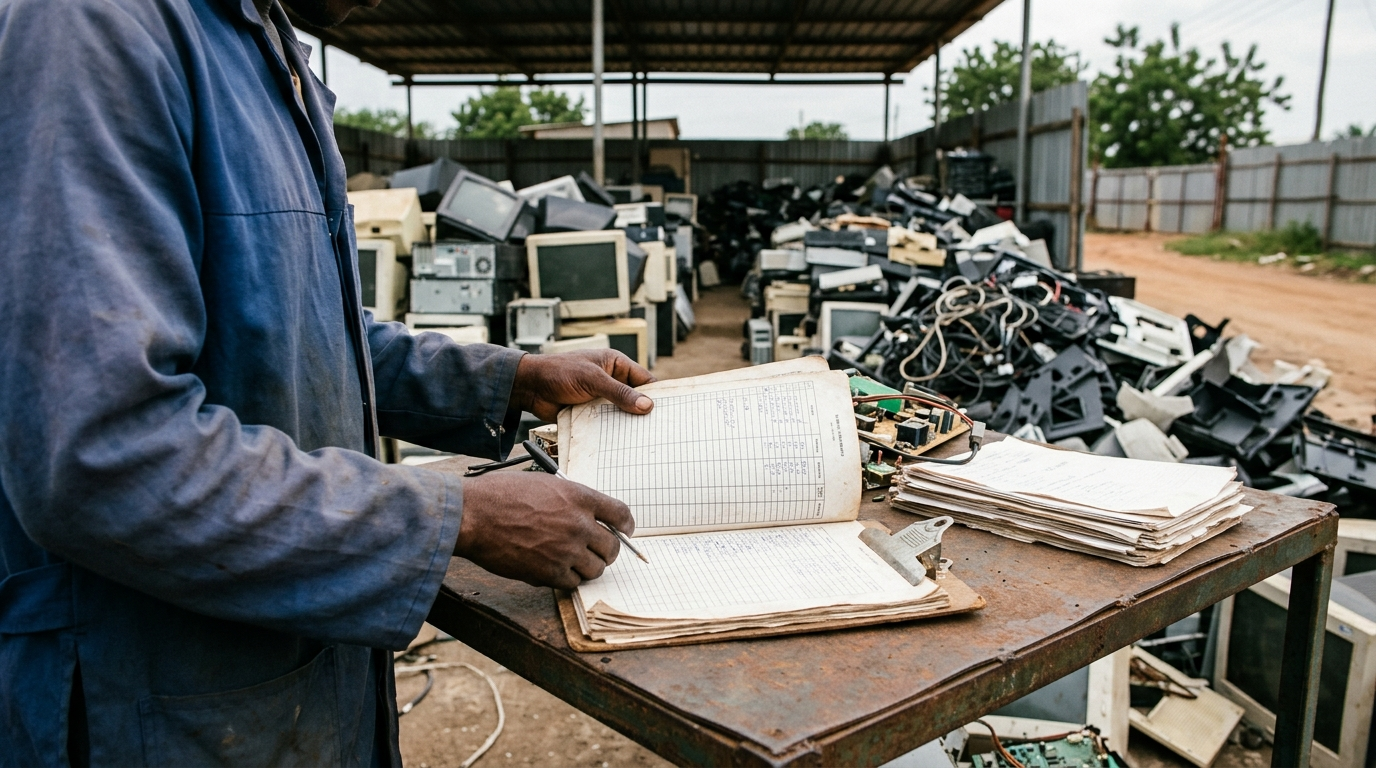
The UK Environment Agency released a consignee return spreadsheet for hazardous waste in September 2026, which includes detailed information on the disposal of harmful materials from electronics recycling. This update matters because it directly affects how businesses and individuals dispose of e-waste that contains toxic substances like lead or mercury.
Last reviewed by Samantha Holloway on 22 September 2026
What Is the Impact of the New Spreadsheet on Electronics Recycling?
The new spreadsheet is a critical tool for ensuring compliance with hazardous waste regulations, guiding proper disposal methods to prevent environmental contamination. electronics recycling requires companies to report the type and quantity of hazardous materials returned from electronics recycling processes, aiding regulators in tracking e-waste management practices.
According to the WHO, improper e-waste disposal releases toxic substances including lead, mercury, and cadmium into soil and water.
In September 2026, the UK Environment Agency released an updated consignee return spreadsheet for hazardous waste that includes a full list of substances commonly found in electronic devices. This update comes at a time when global e-waste production is reaching alarming levels-projected to hit 62 million tonnes per year according to the UN Global E-Waste Monitor 2024.
The spreadsheet lists specific chemicals and metals, such as lead, mercury, cadmium, and hexavalent chromium, which are harmful if not managed correctly. These substances can be found in components like circuit boards and batteries. With the increasing complexity of electronic devices-today's smartphones alone contain over 60 different elements-the need for precise tracking is important.
What Are the Legal Requirements for Reporting Hazardous Waste from Electronics?
Companies must comply with reporting requirements set out by regional regulations, such as the EU's [WEEE Directive](/regulations/weee-directive-eu) or the UK's Environmental Protection Act. Failure to report can lead to legal penalties and fines. The updated spreadsheet simplifies this process by providing a clear framework for what needs to be reported.
Businesses recycling electronics in the EU are subject to the Waste Electrical and Electronic Equipment (WEEE) Directive, which mandates that 65% of all electronic products placed on the market must be collected back through formal recycling channels. This directive highlights the importance of accurate reporting as part of compliance efforts.
How Can Consumers Ensure Their Electronics Are Recycled Responsibly?
Consumers should look for certified electronics recyclers who adhere to strict environmental and health standards. Organizations like R2 (Responsible Recycling) or e-Stewards provide certification that ensures proper disposal methods are used, minimizing the risk of hazardous materials leaking into the environment.
To responsibly recycle your old gadgets, consumers can use services accredited by certifications such as the Responsible Recycler (R2) standard or e-Stewards. At electronics recycling, these programs ensure that electronic waste is processed in an environmentally sound manner and doesn't end up in landfills where harmful substances could leach into soil and groundwater.
What Are Some Practical Steps for Businesses to Follow?
Businesses should familiarize themselves with the latest guidelines and training staff on proper handling procedures. Investing in modern equipment designed specifically for hazardous materials recovery also helps maintain compliance while reducing environmental impact.
For businesses, investing in specialized equipment that can safely process e-waste is important. Companies like Sims Recycling Solutions offer full services including secure data destruction, material recovery, and environmentally responsible disposal options. By partnering with such providers, companies can ensure full adherence to regulatory standards while promoting sustainability goals within their operations.
What Should Individuals Do Now?
Individuals should take advantage of local recycling programs or drop-off centers certified by recognized bodies like R2 or e-Stewards. Checking online resources provided by government agencies or non-profits can help identify nearby facilities that accept various types of electronic waste responsibly and safely.
To start, individuals can check their city or county's website for information on designated e-waste collection points. Alternatively, using services linked to certifications like R2 ensures a high standard of ethical recycling practices is maintained throughout the process. By taking these steps, everyone contributes towards reducing environmental harm caused by improperly discarded electronics.
By following these guidelines and using available resources, both consumers and businesses can play an active role in promoting sustainable e-waste management practices globally.
According to the UN Global E-Waste Monitor 2024, The world generated 62 million tonnes of e-waste in 2022, up 82% from 2010.
Sources
- WHO
- UN Global E-Waste Monitor 2024
- European Parliament