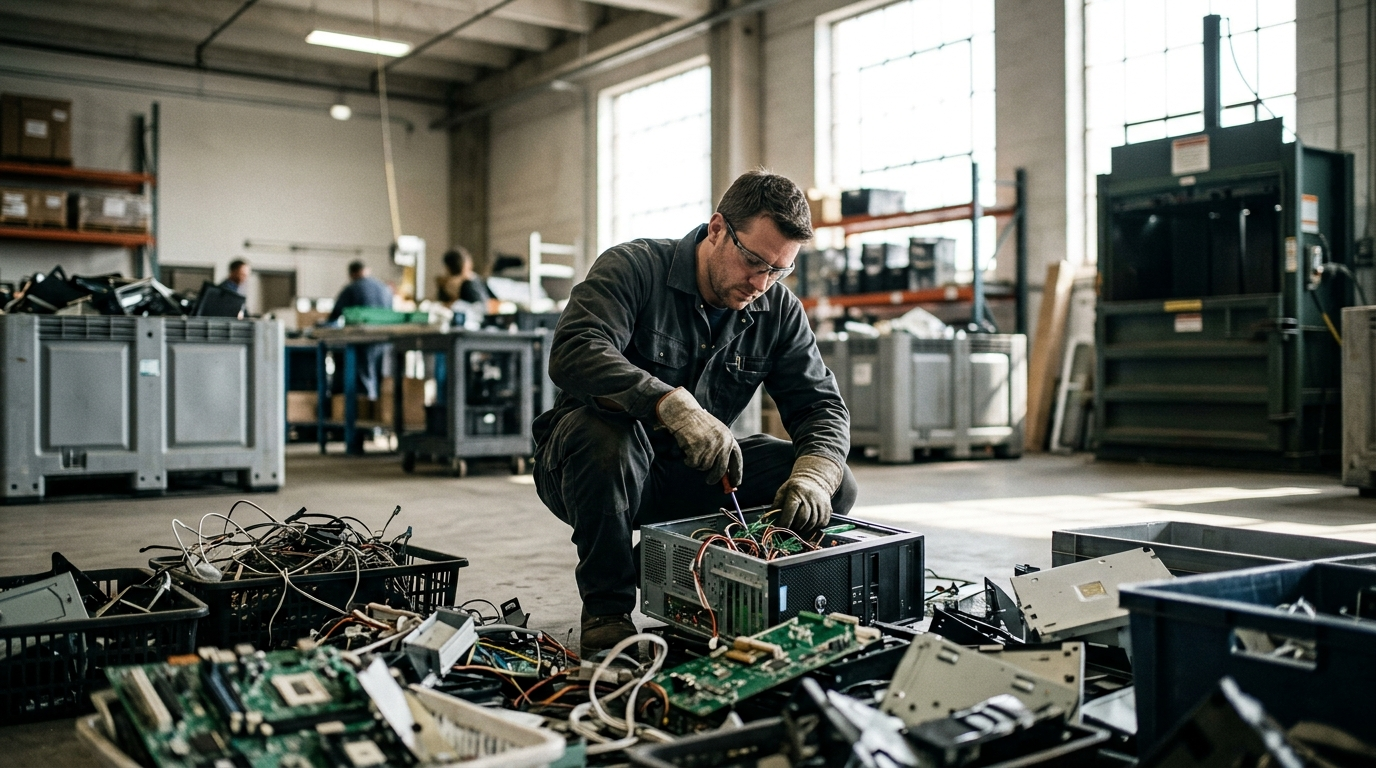
Tech sustainability took a significant step forward in July 2026 when ERI, one of the largest e-waste recyclers globally, appeared on CBS News to discuss the responsible recycling of electronic waste. This spotlight shines a light on how tech sustainability can reduce environmental harm and recover valuable resources.
Last reviewed by Samantha Holloway on 26 July 2026
What Is Tech Sustainability?
Tech sustainability involves managing electronic devices throughout their lifecycle from design through disposal or reuse. It aims to minimize the environmental impact while maximizing resource recovery, such as gold, silver, and copper found in e-waste.
The global e-waste problem is massive: according to the UN Global E-Waste Monitor 2024, 62 million tonnes of electronic waste are generated yearly worldwide. This equates to about 7.3 kilograms per person on Earth, emphasizing the urgent need for sustainable tech practices.
According to the European Parliament, less than 1% of rare earth elements in e-waste are currently recycled.
How Does This Affect Electronics Recycling?
This CBS News feature highlights the importance of responsible recycling methods that ensure hazardous materials don't end up in landfills or informal recycling operations. For instance, ERI's advanced processes recover nearly 100% of precious metals from e-waste compared to traditional methods which might only capture around half.
proper handling and processing can prevent significant environmental damage. For example, the average smartphone contains over 60 different elements, including rare earth metals critical for technology development but harmful if improperly disposed of. By recycling these devices responsibly, we protect ecosystems from toxic chemicals that can leach into soil and water systems.
What Are the Key Regulations Driving Change?
Regulations like the
WEEE Directive in Europe play a important role by setting targets for e-waste collection and recovery rates. The EU aims to collect 65% of electronics placed on the market, ensuring higher recycling standards across member states. In contrast, the US lacks a federal mandate, although individual states have adopted their own regulations such as California's Electronic Waste Recycling Act.
Another important regulation is RoHS (Restriction of Hazardous Substances), which restricts the use of certain hazardous materials in electronic equipment sold within EU countries and other regions following similar guidelines. This directive aims to reduce environmental pollution caused by e-waste and improve human health outcomes.
What Are the Environmental Benefits?
Recycling electronics responsibly offers substantial benefits for our environment. For example, recycling just one million mobile phones can recover 35 kilograms of gold and 15 kilograms of copper-resources that would otherwise require more energy-intensive mining processes to obtain new materials. By reducing reliance on virgin resources, we lower greenhouse gas emissions associated with extraction and manufacturing.
urban mining, the process of extracting valuable metals from discarded electronics, helps conserve natural resources while supporting a circular economy where waste becomes raw material for new products. This approach can extend product lifespans and reduce overall consumption patterns linked to planned obsolescence.
According to the WEEE Forum, over 5 billion mobile phones were estimated to be sitting unused in drawers worldwide in 2022.
What Can We Do Now?
Individuals and businesses alike should take action today by choosing certified recyclers like ERI when disposing of electronics. Check if your local recycling facility meets the standards set forth by relevant regulations such as WEEE or RoHS. Engage with manufacturers who support
right-to-repair initiatives, allowing for longer-lasting devices that can be repaired rather than replaced.
By staying informed about tech sustainability practices and supporting companies committed to environmentally friendly disposal methods, you contribute positively to global efforts in reducing e-waste and promoting resource efficiency. For more information on how you can make a difference, visit our guides on right-to-repair and circular economy.
Sources
- European Parliament
- WEEE Forum
- WHO