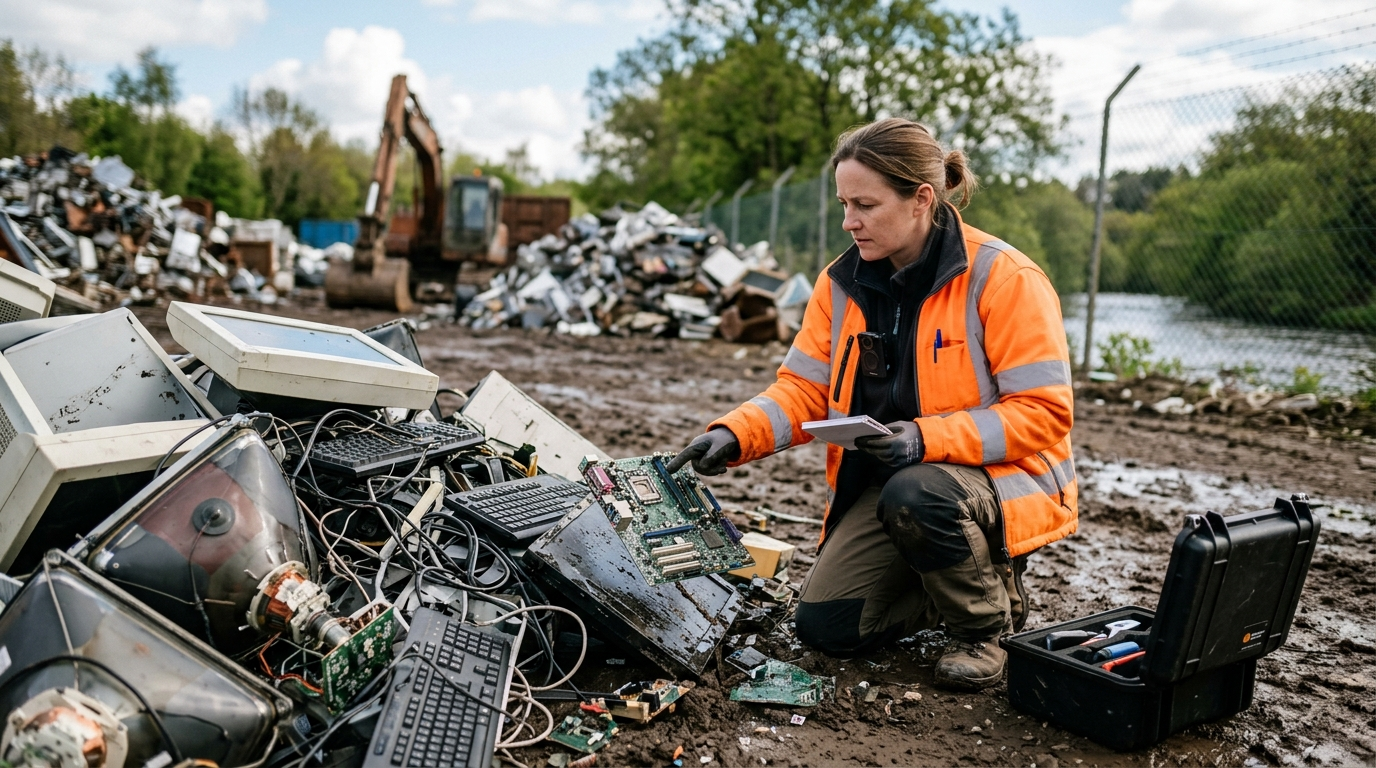
The UK Environment Agency is seeking public input on proposed updates to its enforcement and sanctions policy, which could significantly impact how electronics recycling is managed across the country.
Last reviewed by Samantha Holloway on 10 August 2026
What Are the Proposed Updates?
The updates aim to clarify how the agency enforces regulations concerning waste management, including
e-waste. Specifically, it seeks to strengthen penalties for non-compliance with environmental laws that govern proper disposal of electronic devices and materials.
In August 2026, UK residents will be affected by these changes as electronics recycling becomes more regulated, ensuring that e-waste is handled safely and responsibly rather than ending up in landfills. This move aligns with global efforts to reduce the estimated 62 million tonnes of e-waste generated annually worldwide, according to the UN Global E-Waste Monitor 2024.
According to the WEEE Forum, over 5 billion mobile phones were estimated to be sitting unused in drawers worldwide in 2022.
How Does This Affect Electronics Recycling?
These updates will likely increase oversight on electronics recycling practices and impose stricter penalties for those who fail to comply with regulations. Consumers and businesses need to understand these new rules to avoid fines and legal repercussions while ensuring their e-waste is recycled responsibly.
The proposed policy enhancements could lead to more rigorous audits of waste management facilities, including those handling electronic devices. This means that recycling centers must adhere strictly to guidelines set forth by the Environment Agency or face potential sanctions.
Why Is Public Input Important?
Public feedback will help shape how these new policies are implemented and enforced, ensuring they address real-world challenges faced by consumers and businesses in managing e-waste. By providing input now, individuals can influence regulations that affect them directly regarding proper disposal methods for outdated gadgets and technology.
The Environment Agency relies on public opinion to refine its approach towards enforcing waste management rules effectively. Input from various stakeholders ensures the policies are practical and enforceable without being overly burdensome.
What Are the Key Changes?
Key changes include clearer definitions of non-compliance penalties, stricter enforcement measures, and more transparent reporting requirements for companies involved in e-waste processing. These updates aim to ensure that electronic recycling adheres to environmental standards set by international bodies like the
Basel Convention on Hazardous Waste.
For instance, under the new proposals, there will be increased transparency around how waste is managed and recycled, requiring facilities to report more comprehensively on their handling of hazardous materials found in electronics. This includes substances covered by regulations such as RoHS (Restriction of Hazardous Substances).
According to the WHO, e-waste contains over 1,000 different substances, many of them toxic.
How Can You Stay Informed?
To stay updated about these changes and ensure compliance with upcoming regulations, individuals should follow the Environment Agency's announcements and participate in public consultations when they arise.
Visiting official sites like ecyclingcentral.com can provide detailed guidance on the latest rules related to electronics recycling. Additionally, staying informed through regular updates from environmental watchdog groups and industry associations will help consumers and businesses deal with these new requirements effectively.
By following guidelines for proper disposal of electronic items-such as those outlined in the [WEEE Directive](/regulations/weee-directive-eu)-you can contribute positively towards reducing harmful emissions and conserving valuable resources.
According to the US EPA, recycling one million laptops saves the energy equivalent of electricity used by 3,657 us homes in a year.
What Should You Do Now?
Start by reviewing current best practices for disposing of old electronics responsibly. Look into local recycling centers that adhere to strict environmental standards, or consider refurbishing older devices instead of discarding them entirely.
Take advantage of upcoming opportunities to provide feedback on proposed regulations affecting e-waste management in your area. Your input can make a real difference in shaping policies that protect both the environment and public health.
Visit ecyclingcentral.com for more information on electronics recycling, including guides on [right-to-repair](/guides/right-to-repair-what-it-means), [circular economy principles](/guides/circular-economy-and-electronics), and proper disposal methods for items like lithium batteries and solar panels.
Sources