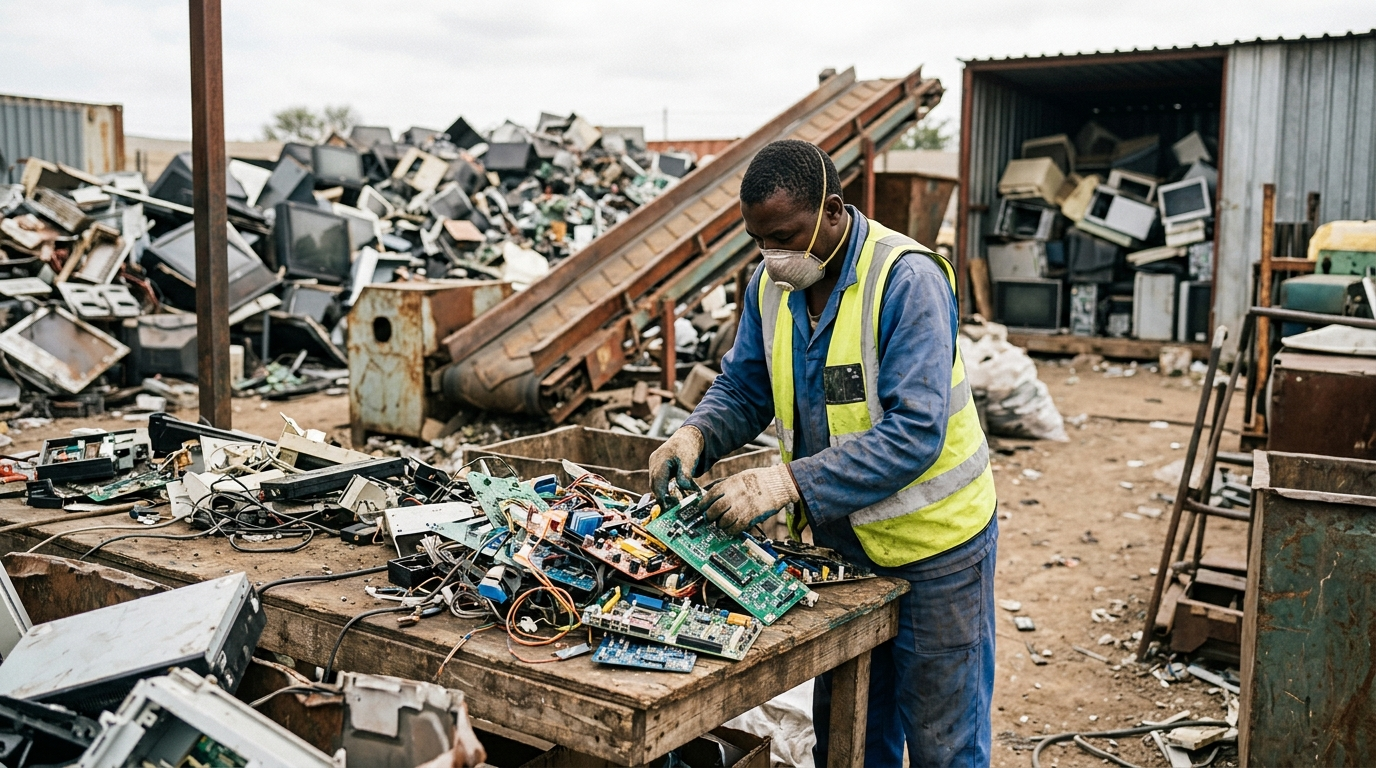
The chlorine gas market for e-waste recycling is expected to grow significantly through 2035, driven by stricter regulations and increased demand for efficient recycling methods. This trend highlights the importance of sustainable practices in tech sustainability.
Last reviewed by Samantha Holloway on 09 August 2026
What Is Chlorine Gas Used For in E-Waste Recycling?
Chlorine gas plays a critical role in leaching processes during e-waste recycling. It helps extract valuable metals like gold, silver, and copper from electronic scrap more effectively than traditional methods. The global chlorine market for this purpose is set to expand at an annual rate of 3.5% through 2035.
According to the UN Global E-Waste Monitor 2024, The world generated 62 million tonnes of e-waste in 2022, up 82% from 2010.
How Does This Affect Electronics Recycling?
The adoption of chlorine gas in recycling plants will lead to higher efficiency rates in extracting precious metals, which are often found in small quantities within electronic devices. For instance, one million phones contain approximately 34 kg of silver and 16 kg of gold, according to the United Nations University.
What Are the Environmental Impacts?
While chlorine gas can enhance metal recovery from e-waste, it also poses environmental risks if not managed properly. The release of chlorinated compounds into the air or water can cause severe pollution issues. Recycling facilities must adhere strictly to safety protocols and emission controls to mitigate these impacts.
Why Is Chlorine Gas Becoming More Common?
The rise in chlorine gas usage is partly due to regulatory pressure, particularly from directives like the [WEEE Directive](/regulations/weee-directive-eu) in Europe. These regulations mandate higher recycling rates for electronic waste, pushing companies towards more efficient techniques such as leaching with chemicals like chlorine.
According to the European Parliament, less than 1% of rare earth elements in e-waste are currently recycled.
What Challenges Do Recyclers Face?
Recycling plants face several challenges when adopting new technologies like chlorine gas. High initial costs and stringent safety requirements are significant barriers. Additionally, the lack of infrastructure in developing countries hinders widespread adoption.
How Can Consumers Contribute to Sustainable Practices?
Consumers play a important role by supporting tech sustainability through their purchasing decisions. Opting for devices with extended warranties or repairability features can reduce waste. For example, embracing right-to-repair initiatives encourages manufacturers to design products that last longer and are easier to fix.
What Should Governments Do Now?
Governments should continue to implement stricter regulations on e-waste management while providing incentives for recycling technologies like chlorine gas leaching. Encouraging research into safer alternatives is also vital to protect both the environment and human health.
According to the WEEE Forum, over 5 billion mobile phones were estimated to be sitting unused in drawers worldwide in 2022.
By addressing these challenges head-on, we can move towards a more sustainable future where electronic waste is managed responsibly and resources are reused efficiently. For more information on e-waste management and recycling initiatives, visit eCycling Central.
---
This article highlights the growing importance of chlorine gas in electronics recycling and outlines both its benefits and environmental concerns. tech sustainability provides practical advice for consumers and policymakers alike to promote tech sustainability effectively.
Sources
- UN Global E-Waste Monitor 2024
- European Parliament
- WEEE Forum