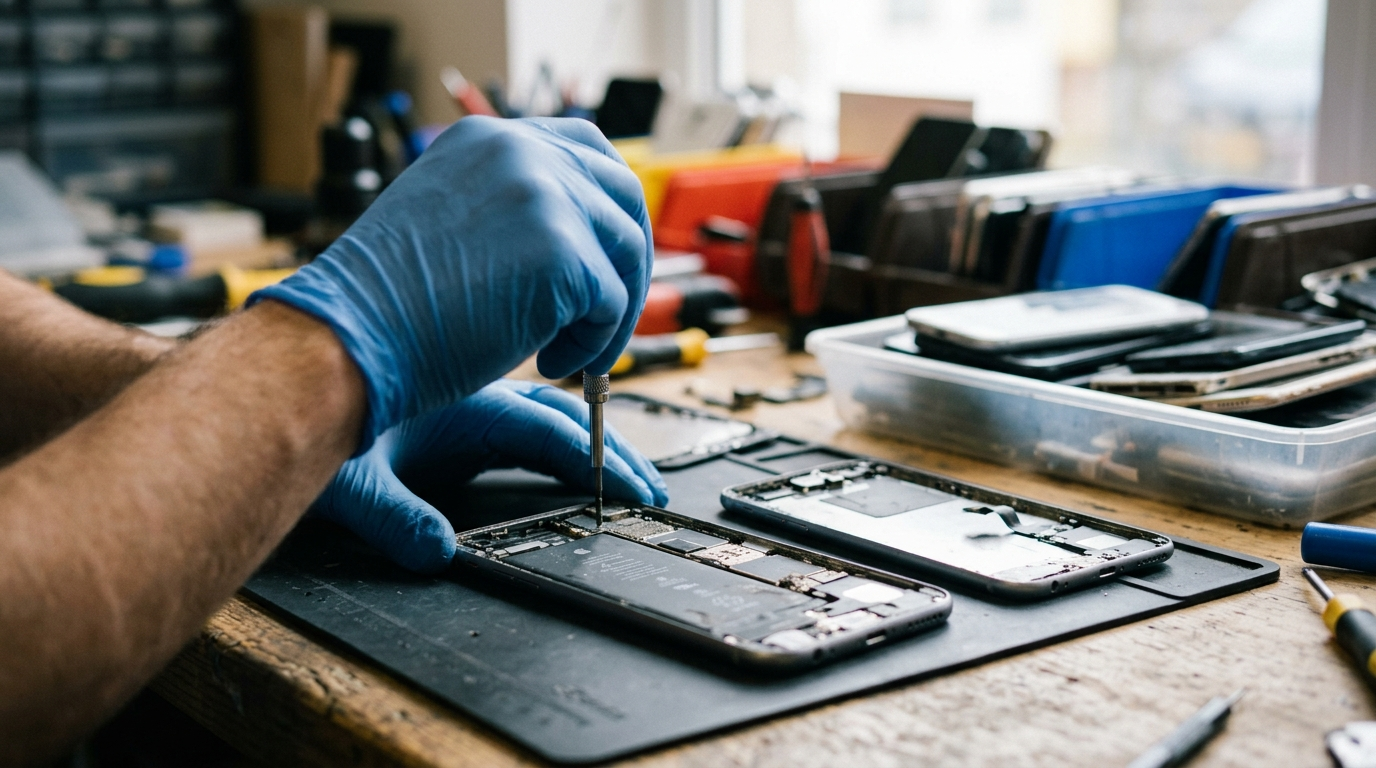
Apple's announcement of its Fall 2026 product lineup, including the rumored iPhone Duo, has sparked skepticism among repair advocates at iFixit about the device's reparability and sustainability implications for electronics recycling. As Apple outlines the latest in planned obsolescence, it raises critical questions about how this affects not just consumers but also the broader e-waste disposal situation.
Last reviewed by Samantha Holloway on 10 September 2026
What Does This Mean for Electronics Recycling?
This announcement means that electronics recyclers face challenges in processing devices designed to be difficult to repair or upgrade. For instance, as more companies like Apple design products with glued-together components and proprietary screws, recycling these items becomes harder and less efficient. According to the UN Global E-Waste Monitor 2024. Global e-waste reached 62 million tonnes in 2023, of which only 22.3% was formally recycled.
According to the US EPA, recycling one million laptops saves the energy equivalent of electricity used by 3,657 us homes in a year.
The circular economy relies on repairable and upgradable electronics to reduce waste and conserve resources. With Apple's new products potentially being less repairable than their predecessors. This could undermine efforts toward a truly sustainable tech industry. The average smartphone contains over 60 different elements. Including precious metals like gold (35kg per million phones) and silver (340kg per million phones). If these devices aren't designed for longevity or ease of repair, the environmental impact is significant.
What Are the Legal Implications?
Regulations such as the EU's WEEE Directive require member states to collect 65% of electronics placed on the market. However, if manufacturers like Apple continue to produce devices that are harder to recycle and reuse, it will be increasingly difficult for countries to meet these targets. The directive aims to ensure that electronic waste is managed in an environmentally sound manner but faces challenges when dealing with complex modern gadgets.
How Will This Impact Consumers?
Consumers who care about sustainability might find themselves purchasing less durable products if manufacturers don't change their practices. In the United States alone, the generation of e-waste reached 6.92 million tonnes annually, making it important for consumers to push back against planned obsolescence through initiatives like the right-to-repair movement.
According to the UN Global E-Waste Monitor 2024, only 22.3% of e-waste was properly collected and recycled in 2022.
What Can We Do Now?
To address these issues, individuals and businesses alike can take proactive steps. Supporting repair-focused organizations such as iFixit helps promote a culture of sustainability and responsibility in electronics recycling. Additionally, advocating for stronger regulations that enforce transparency around product durability and recyclability is important. For instance, pushing for the right-to-repair laws can help consumers to extend the lifespan of their devices.
, while Apple's latest announcements raise concerns about the future of electronics recycling, there are actionable steps we can take to mitigate negative impacts on our environment. By supporting repair initiatives, advocating for better regulations, and making informed purchasing decisions, we can work towards a more sustainable tech industry that benefits everyone involved.
According to the Consumer Technology Association, The average US household has 21 unused electronic devices.
Sources
- US EPA
- UN Global E-Waste Monitor 2024
- Consumer Technology Association