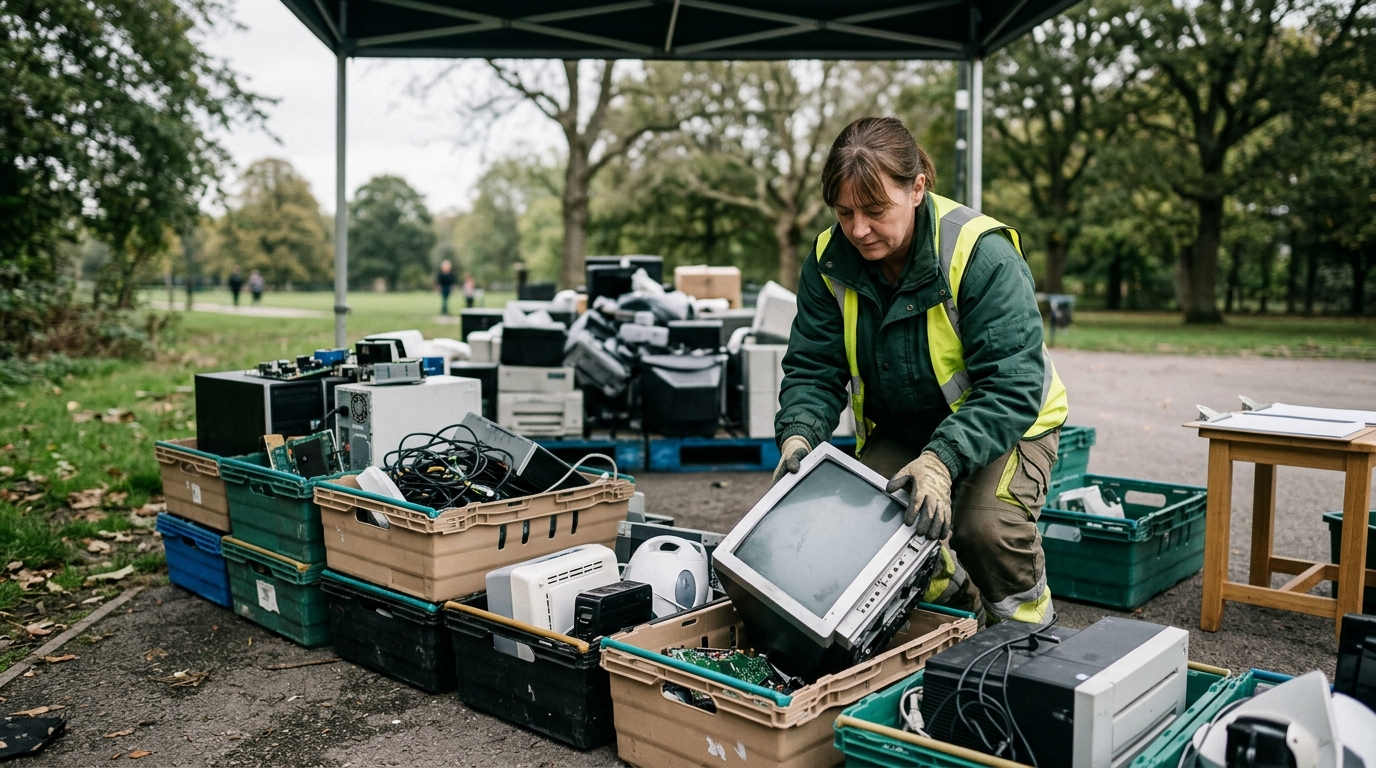
The UK Environment Agency released an updated guidance document on July 1, 2026, for WEEE: evidence and national protocols. WEEE: evidence and national protocols guidance This update is important because it clarifies how to issue evidence, meet recovery targets, and report recycling efforts effectively.
Last reviewed by Samantha Holloway on 16 July 2026
What Is the New Guidance About?
The new guidance from the UK Environment Agency focuses on providing clear instructions on meeting
WEEE Directive requirements, ensuring compliance with national protocols for waste electrical and electronic equipment (WEEE). It outlines procedures for issuing evidence of compliance and reporting on recovery rates and recycling targets. This update is vital for anyone involved in electronics recycling or concerned about
e-waste management.
According to the latest UN Global E-Waste Monitor 2024, global e-waste hit a staggering 62 million tonnes in 2023. Only 22.3% of this waste was formally recycled worldwide, highlighting the urgency for better protocols and enforcement mechanisms like those detailed by WEEE: evidence and national protocols guidance.
According to the Royal Society of Chemistry, mobile phones contain up to 60 different elements, including critical raw materials.
How Does This Affect Electronics Recycling?
This new guidance affects electronics recyclers directly by providing them with specific steps to follow when issuing evidence of compliance. For instance, they must document all recovery processes carefully and report these accurately to the authorities. Failure to adhere to these guidelines could result in fines or legal action. The directive emphasizes transparency and accountability in handling e-waste.
The EU WEEE collection target is set at 65% of electronics placed on the market by 2030, making accurate reporting important for compliance. This new guidance helps ensure that all necessary data is collected and reported correctly to meet these ambitious targets.
Why Is Proper Documentation Important?
Proper documentation ensures that recycling facilities can prove they're meeting legal requirements regarding waste management. WEEE: evidence and national protocols guidance also aids in tracking the amount of e-waste processed, helping to identify areas for improvement or additional investment in infrastructure. Without adequate records, recyclers risk non-compliance and potential penalties.
For example, a single million phones contain approximately 35kg of gold and 340kg of silver-valuable resources that can be recovered through proper recycling processes. Ensuring these materials are handled correctly isn't only environmentally responsible but also economically beneficial.
What Are the Key Changes in the Guidance?
One significant change is an increased emphasis on digital record-keeping and reporting systems. These changes streamline compliance efforts and reduce paperwork, making it easier for businesses to stay up-to-date with evolving regulations. The guidance also includes new requirements for handling hazardous components within WEEE items more effectively.
Another key area of focus is the disposal of lithium-ion batteries, which are prevalent in modern electronics like smartphones and electric vehicles. With the global lithium-ion battery market expected to reach 2.5 TWh by 2030, managing this growing waste stream responsibly becomes even more critical.
According to the BankMyCell depreciation tracker, The average smartphone loses 35-45% of its trade-in value within the first year.
How Can Recyclers Stay Compliant?
To stay compliant with WEEE: evidence and national protocols guidance, recyclers should familiarize themselves thoroughly with the updated requirements. They need to invest in strong tracking systems for all incoming materials and maintain detailed records of every step in their recycling processes. Regular audits by independent assessors can also help ensure continued compliance.
Recyclers are encouraged to consult resources like the WEEE Directive (WEEE) or explore circular economy initiatives (circular economy) for additional support and best practices. Engaging with industry experts and participating in training programs can further enhance their knowledge and operational capabilities.
What Should Individuals Do Now?
Individuals should be aware of local recycling facilities that adhere to WEEE standards and ensure they dispose of
electronic waste responsibly. By supporting reputable recyclers, individuals play a important role in reducing environmental harm associated with improper e-waste disposal. They can also advocate for stricter regulations on
planned obsolescence (
planned obsolescence) to decrease the volume of unnecessary waste.
In summary, staying informed about updates like those from WEEE: evidence and national protocols guidance is vital for everyone involved in managing e-waste responsibly. By following these guidelines, we can move closer towards a sustainable future where electronics are recycled efficiently and environmental impacts minimized.
Sources
- Royal Society of Chemistry
- BankMyCell depreciation tracker
- UNEP