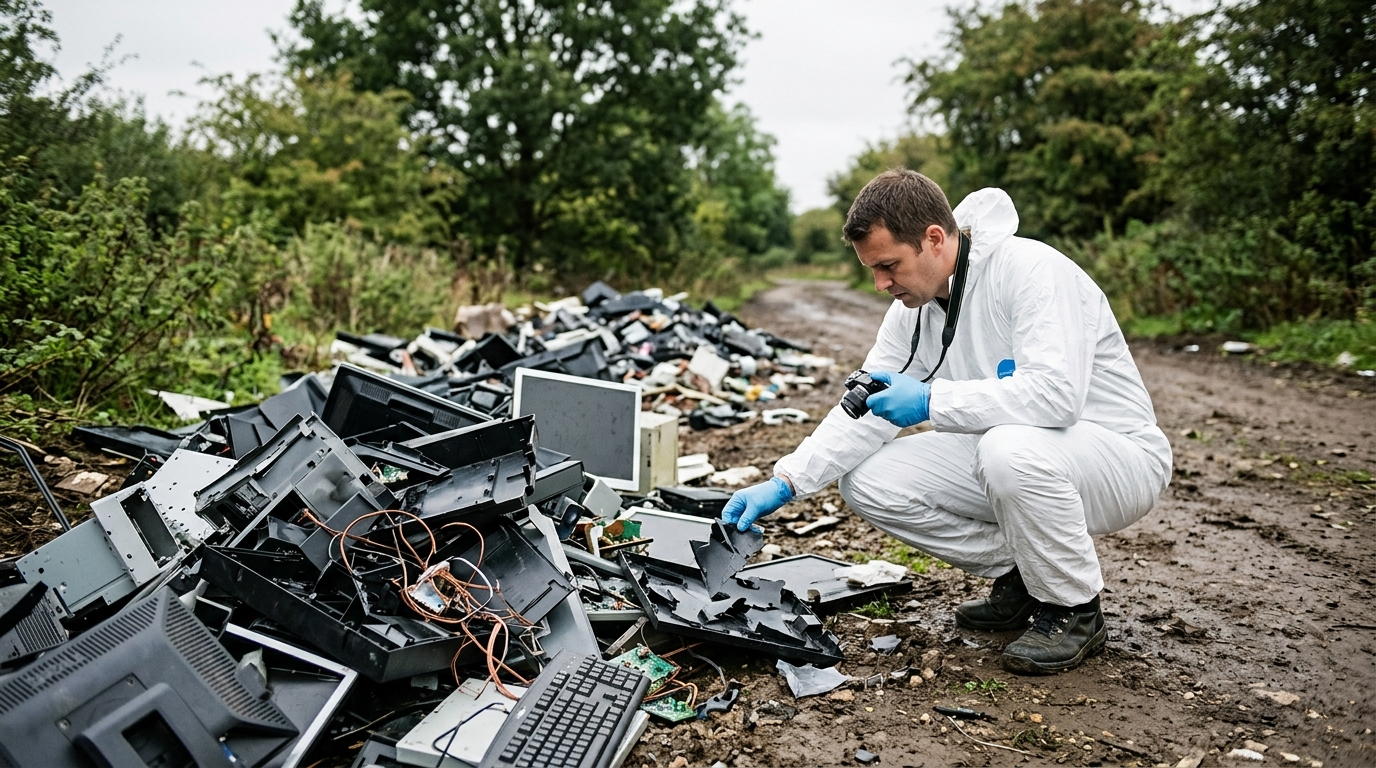
Two more men were arrested for illegal waste dumping in Kidlington, UK, as part of an Environment Agency investigation supported by Surrey Police and the South East Regional Organised Crime Unit. This arrest highlights the ongoing challenges faced by electronics recycling facilities and law enforcement agencies worldwide in combating the illicit disposal of e-waste.
Last reviewed by Samantha Holloway on 08 September 2026
What Are the Environmental Impacts of Illegal Waste Dumping?
Illegal dumping can lead to severe environmental damage. Contaminating soil and groundwater with toxic substances like mercury and cadmium from electronic devices. For instance, improperly disposed lithium-ion batteries release harmful chemicals that pose risks to both wildlife and human health. In 2024, the UN Global E-Waste Monitor reported that global e-waste reached 62 million tonnes a year, highlighting the scale of these environmental threats.
According to the UN Global E-Waste Monitor 2024, The value of raw materials in global e-waste was estimated at $91 billion in 2022.
How Does This Affect Electronics Recycling?
Electronics recycling faces significant challenges due to illegal dumping, which undermines efforts to properly manage and recycle electronic waste. For example, only 22.3% of worldwide e-waste is formally recycled each year, leaving vast amounts of valuable materials unutilized while posing hazards to the environment.
Why Is Proper Electronics Recycling Important?
Proper recycling ensures that hazardous substances are safely managed and valuable resources like gold, silver, and copper are recovered for reuse in manufacturing new electronics. For instance, one million phones contain 35kg of gold and 340kg of silver, illustrating the economic benefits alongside environmental protection.
What Regulations Are in Place to Combat Illegal Dumping?
The WEEE (Waste Electrical and Electronic Equipment) Directive, implemented across the EU since 2014, sets targets for member states to collect and recycle a minimum percentage of their e-waste. In September 2026, the directive aims for a 65% collection rate based on the average amount of electrical and electronic equipment put on the market during the previous three years.
According to the Shift Project, manufacturing a new smartphone produces 50-80kg of co2 equivalent.
How Can Consumers Ensure Their Electronics Are Recycled Safely?
Consumers should seek out certified recycling centers that adhere to strict environmental standards. The Basel Convention provides guidelines to prevent the export and import of hazardous waste across borders, ensuring safer disposal practices internationally.
What Impact Does Illegal Dumping Have on Local Communities?
Illegal dumping can lead to health issues for local communities due to exposure to toxic chemicals released from improperly disposed electronics. For example, a single discarded lithium-ion battery can release harmful substances that contaminate water supplies and soil, affecting both wildlife and human populations.
How Do Recycling Facilities Deal with Increased Regulations?
Recycling facilities must comply with strict environmental regulations, such as the EU's WEEE Directive, which sets targets for e-waste collection and recycling rates. Meeting these requirements often necessitates significant investments in technology and infrastructure to ensure compliance while maximizing resource recovery.
According to the World Economic Forum, e-waste is the fastest-growing waste stream globally.
What Can Be Done Now to Address This Issue?
To address illegal dumping, individuals should choose certified electronics recyclers, such as those accredited under the WEEE Directive or similar regulatory frameworks. Additionally, supporting local initiatives that promote responsible disposal can help reduce environmental risks associated with improper waste management.
For more information on e-waste and recycling best practices, visit our page on e-waste. To learn about the circular economy approach to electronics sustainability, check out our guide on circular economy.
By staying informed and taking action, we can collectively work towards more sustainable practices in electronics recycling.
Sources
- UN Global E-Waste Monitor 2024
- Shift Project
- World Economic Forum