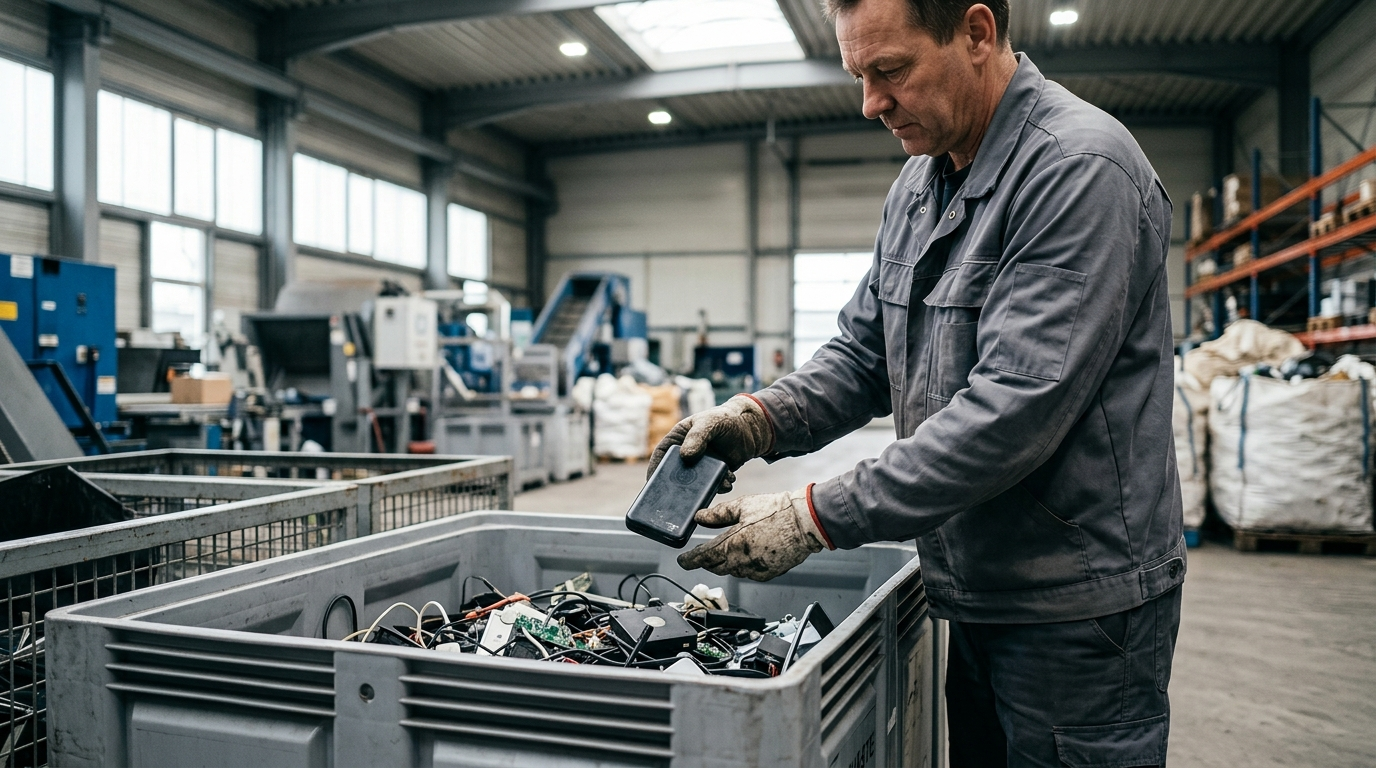
The Truststone Group has recalled the XO Poppy Power Trip magnetic wireless power banks sold exclusively at TJX and Marshalls stores due to fire and burn hazards caused by overheating lithium-ion batteries. This recall highlights the importance of electronics recycling, as improperly discarded devices can pose significant risks.
Last reviewed by Samantha Holloway on 05 September 2026
What Is the Scope of the Recall?
The Truststone Group has recalled over 250,000 XO Poppy Power Trip power banks from stores across North America and Europe. Consumers who purchased these power banks should immediately stop using them and return them to a store for a full refund or exchange.
This recall highlights the need for responsible electronics recycling, as improperly discarded devices can lead to severe safety hazards. The recalled power banks contain lithium-ion batteries that pose fire risks if not handled correctly.
According to the BankMyCell depreciation tracker, The average smartphone loses 35-45% of its trade-in value within the first year.
How Does This Affect Electronics Recycling?
Electronics recycling must prioritize safety and environmental protection. Improper disposal of hazardous materials like lithium-ion batteries increases the likelihood of fires or toxic emissions during waste management processes. For example, a study found that in 2019, improper e-waste disposal led to over 50 documented fires at UK landfill sites.
To ensure safe recycling practices, it's important for consumers and businesses alike to use certified electronics recyclers who follow strict safety protocols. According to the UN Global E-Waste Monitor 2024, only 22.3% of global e-waste is formally recycled worldwide, leaving a vast majority at risk of improper disposal.
What Are the Safety Risks Involved with Lithium-Ion Batteries?
Lithium-ion batteries can overheat and ignite if not stored or disposed of properly. This poses significant risks for both residential and industrial recycling facilities. The recall by Truststone highlights the importance of proper battery handling, as these devices contain flammable electrolytes that can explode under certain conditions.
Recycling centers must implement safety measures to handle lithium-ion batteries safely. These include using cooling systems, fire suppression equipment, and ensuring staff are trained in emergency procedures. As per recent estimates, the global lithium-ion battery market is expected to reach 2.5 TWh by 2030, increasing the importance of these safety protocols.
What Should Consumers Do with Recalled Devices?
Consumers should return recalled XO Poppy Power Trip power banks to TJX or Marshalls stores for a full refund or exchange immediately. If you have already disposed of one of these devices improperly, inform your local recycling center about its potential hazards so that they can take appropriate safety measures.
To prevent future incidents like this, always check if a device is recalled before disposing of it and ensure you use certified electronics recyclers who adhere to safety standards. This helps protect both the environment and public health from e-waste risks.
According to the UNEP, A single tonne of circuit boards contains 40-800 times more gold than a tonne of ore.
What Can Businesses Do to Promote Responsible Recycling?
Businesses should adopt strong recycling programs that comply with regulations such as the
WEEE Directive in Europe or the
Basel Convention on hazardous waste internationally. By doing so, they not only reduce their environmental impact but also enhance corporate social responsibility and consumer trust.
Certified recyclers can provide businesses with detailed reports on how recycled materials are handled, ensuring transparency and accountability throughout the recycling process. For example, the EU's WEEE collection target aims to collect 65% of electronics placed on the market, setting a precedent for responsible disposal practices globally.
What Should Governments Do to Support Electronics Recycling?
Governments should implement policies that encourage proper e-waste management and promote
circular economy principles. This includes supporting initiatives like
right-to-repair laws and urban mining projects which extract valuable materials from discarded devices instead of landfilling them.
Policies such as these help reduce the environmental footprint of electronic waste while also building innovation in recycling technologies. As global e-waste production is expected to reach 74 million tonnes by 2030, proactive government action now can mitigate future risks significantly.
What Can Individuals Do Now?
Individuals should stay informed about recalls and dispose of electronics responsibly through certified recyclers or local collection programs. Reporting any suspicious devices found in public spaces also helps prevent potential hazards. For more information on safe disposal methods, visit
eCycling Central's guides on
right to repair and circular economy principles.
By taking these steps, everyone can contribute to safer and more sustainable electronics recycling practices globally.
Sources
- BankMyCell depreciation tracker
- UNEP
- WHO