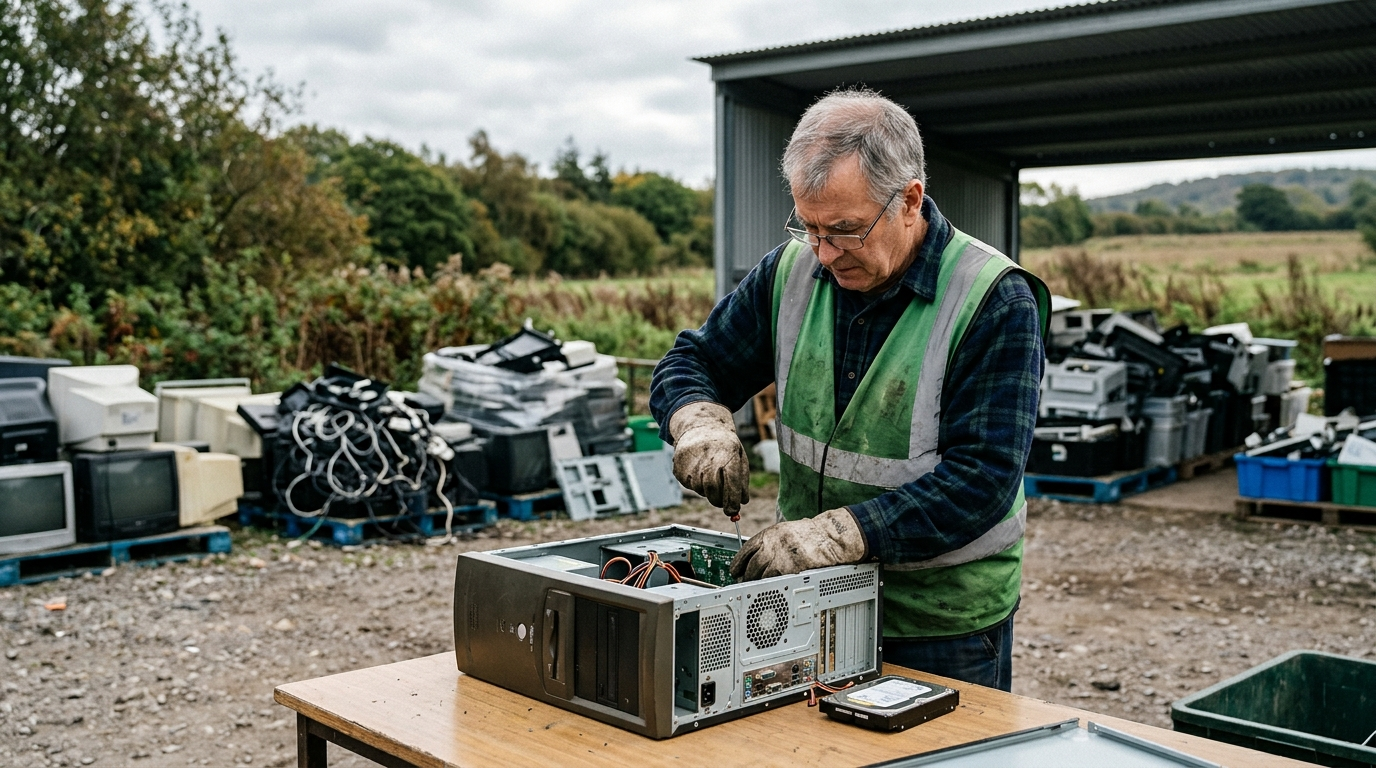
The Town of Plattsburgh has launched a weekly electronic waste recycling program, providing residents and businesses with more frequent opportunities to recycle their e-waste responsibly. This initiative aims to address the growing issue of tech sustainability by making it easier for people to dispose of old electronics.
Last reviewed by Samantha Holloway on 31 August 2026
Why Is This News About Tech Sustainability Important?
This news is important because it highlights a proactive approach to managing electronic waste in communities, encouraging more regular and efficient recycling practices. As global e-waste continues to grow-reaching 62 million tonnes annually according to the UN Global E-Waste Monitor 2024-initiatives like Plattsburgh's are important for sustainable disposal.
According to the US EPA, recycling one million laptops saves the energy equivalent of electricity used by 3,657 us homes in a year.
How Does This Affect Electronics Recycling?
This initiative affects electronics recycling by increasing the frequency of collection, which can lead to higher volumes of e-waste being recycled. Weekly programs help address the challenge that only 22.3% of global e-waste is currently recycled formally, as stated in the UN Global E-Waste Monitor 2024 report.
Residents and businesses now have a more convenient option for disposing of their old electronics, which often contain valuable materials like gold (1 million phones yield 35kg) and silver (1 million phones yield 340kg). By making recycling easier, Plattsburgh is promoting the recovery of these resources rather than letting them end up in landfills.
According to the UN Global E-Waste Monitor 2024, only 22.3% of e-waste was properly collected and recycled in 2022.
What Are Some Similar Programs Around the World?
Similar programs exist around the world to tackle e-waste issues. For example, the EU has a WEEE Directive that sets collection targets for electronic waste at 65% of electronics placed on the market. In the US, states like California have implemented strong recycling laws, such as requiring manufacturers to fund and manage statewide programs for collecting and recycling covered electronic devices.
How Can People Get Involved?
People can get involved by checking their local regulations and participating in community collection events or signing up for regular recycling services offered by their town. For those in Plattsburgh, the weekly e-waste drop-off days provide a straightforward way to recycle old electronics responsibly. Residents should also familiarize themselves with what types of devices are accepted (e.g.. Computers, televisions, cell phones) and any specific guidelines provided by the program.
What Should Businesses Consider?
Businesses should consider the benefits of such programs for their operations. At tech sustainability, regular recycling opportunities can help companies manage their waste more efficiently and sustainably. Many businesses generate significant amounts of e-waste through equipment upgrades or office moves. By participating in these weekly collection events, they not only reduce environmental impact but also comply with regulations like the WEEE Directive in Europe or similar laws in other regions.
According to the Consumer Technology Association, The average US household has 21 unused electronic devices.
What Are Some Next Steps for Tech Sustainability?
As part of broader efforts towards tech sustainability, individuals and organizations should explore options beyond just recycling. This includes reducing e-waste generation through practices like repairing rather than replacing devices-a concept known as the "right to repair"-which is gaining traction globally. Additionally, businesses can look into leasing equipment instead of buying it outright to extend product life cycles.
awareness campaigns around the value of urban mining-recovering valuable materials from discarded electronics-and educating consumers on proper disposal methods can significantly enhance tech sustainability efforts. Programs like Plattsburgh's weekly e-waste recycling initiative set a positive precedent for other communities and highlight the importance of regular, accessible e-waste management strategies.
For more information on right to repair initiatives or circular economy principles in technology, readers are encouraged to visit ecyclingcentral.com and explore relevant guides and resources.
Sources
- US EPA
- UN Global E-Waste Monitor 2024
- Consumer Technology Association