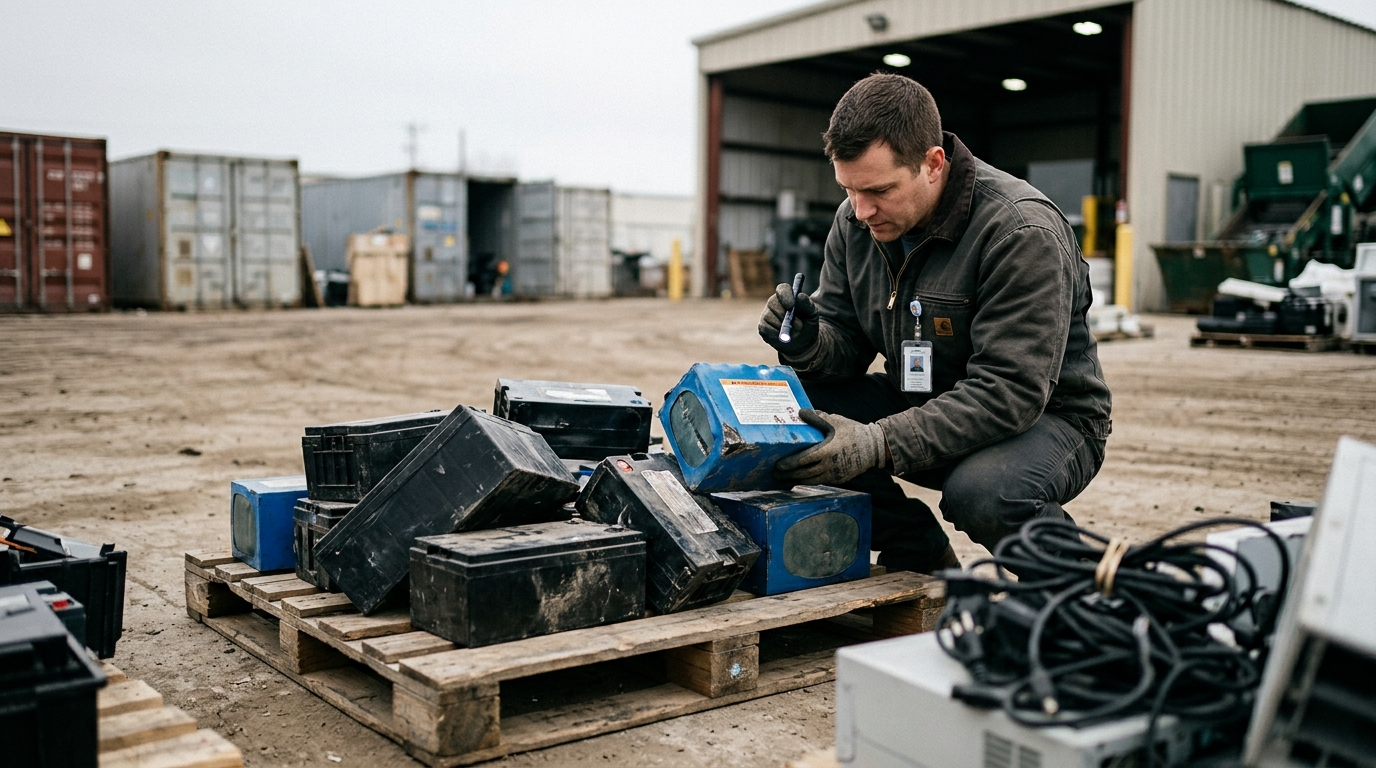
The Blue Cactus Company has recalled the battery packs for its reclining chairs sold on Amazon due to fire and burn hazards, highlighting the ongoing risks associated with improperly handled lithium-ion batteries in electronics recycling.
Last reviewed by Samantha Holloway on 25 September 2026
As of September 2026, this recall highlights the importance of proper handling and disposal of electronic waste containing hazardous materials. Overheating lithium-ion batteries pose significant safety risks to consumers but also present challenges for responsible electronics recycling practices. The recall affects approximately 5,000 units sold across multiple regions, emphasizing the need for strict adherence to regulations like the WEEE Directive in Europe and similar laws globally.
What Is the Blue Cactus Company Recalling?
The Blue Cactus Company is recalling lithium-ion battery packs used in reclining chairs that were sold on Amazon. These batteries can overheat, leading to fire hazards and potential burns.
This recall is particularly concerning because it highlights a common issue with consumer electronics: the improper handling of lithium-ion batteries. Such incidents can lead to injuries and property damage but also pose significant environmental risks if not disposed of properly.
Why Is This Recall Important for Electronics Recycling?
The recall highlights the critical need for safe and responsible electronics recycling practices, especially when dealing with devices containing lithium-ion batteries. Improper disposal or handling can result in fires at waste facilities and harm recyclers.
In 2024, the UN reported that global e-waste reached 62 million tonnes annually, yet only 22.3% was recycled through formal channels. This means a significant portion of potentially dangerous materials like lithium-ion batteries ends up in informal or unregulated recycling environments, increasing the risk of accidents.
How Does This Affect Electronics Recycling?
This recall affects electronics recycling by highlighting the need for stricter safety measures and better regulation around battery disposal. Recyclers must ensure that devices containing hazardous components are handled correctly to prevent fires and other incidents.
Recycling centers must adhere to guidelines like the WEEE Directive, which mandates proper collection and treatment of electronic waste in Europe. The directive aims to reduce environmental impacts from e-waste while ensuring worker safety and minimizing risks such as those posed by overheating batteries.
What Are the Risks Involved?
Consumers face fire hazards and burn injuries if these faulty battery packs aren't properly recalled and replaced. Additionally, improper disposal can lead to fires at recycling facilities or landfills, causing environmental damage and posing health risks to workers involved in e-waste management.
The lithium-ion battery market is projected to grow to 2.5 TWh by 2030, increasing the volume of batteries that need careful disposal. The rapid growth highlights the importance of developing better infrastructure for handling these materials safely and sustainably.
What Steps Can Consumers Take?
Consumers should return recalled items immediately and follow instructions from the manufacturer or retailer. For non-recalled devices with lithium-ion batteries, they should dispose of them through certified recycling programs rather than throwing them in regular trash bins.
For more information on how to recycle electronics safely, including battery disposal guidelines, visit our guides on [right-to-repair](/guides/right-to-repair-what-it-means) and [battery recycling](/guides/how-to-recycle-batteries-safely). These resources provide important tips for responsible e-waste management.
What Should Manufacturers Do?
Manufacturers should design products with safer battery technologies and easier recyclability in mind. They must also ensure compliance with local regulations like the WEEE Directive, which sets targets for electronic waste collection and recycling rates.
Improving product design can reduce risks associated with lithium-ion batteries and promote more sustainable practices throughout the lifecycle of consumer electronics. For example, using alternative battery chemistries or incorporating modular designs that facilitate easier component replacement and disposal can significantly mitigate safety hazards and environmental impacts.
What About Government Regulations?
Governments should enforce stricter regulations on e-waste management to prevent incidents like those caused by overheating lithium-ion batteries. At electronics recycling, policies such as the WEEE Directive in Europe aim to reduce environmental damage from improperly disposed electronics but require strong enforcement mechanisms.
Regulations must also encourage manufacturers to design products for better recyclability and durability, reducing the frequency of recalls due to faulty components. Additionally, governments should support initiatives that promote research into safer battery technologies and more efficient recycling methods.
What Are Consumers' Rights?
Consumers have rights under various regulations like the WEEE Directive in Europe and similar laws around the world. These regulations ensure that manufacturers must take responsibility for safely managing end-of-life electronics and provide consumers with safe, convenient options for disposal.
Understanding these rights can help consumers to advocate for safer products and recycling practices, driving industry-wide improvements in sustainability and safety standards.
What Should Recyclers Do Now?
Recycling companies should invest in training staff on the proper handling of lithium-ion batteries and other hazardous materials. They must also stay informed about regulatory changes that impact e-waste management practices.
By adopting best practices for battery disposal and adhering to guidelines like those outlined by the [Basel Convention](/regulations/basel-convention-on-hazardous-waste), recyclers can ensure safer operations and contribute to a more sustainable future for electronics recycling.
Sources
- Apple Environmental Report 2024
- BankMyCell 2024
- Royal Society of Chemistry