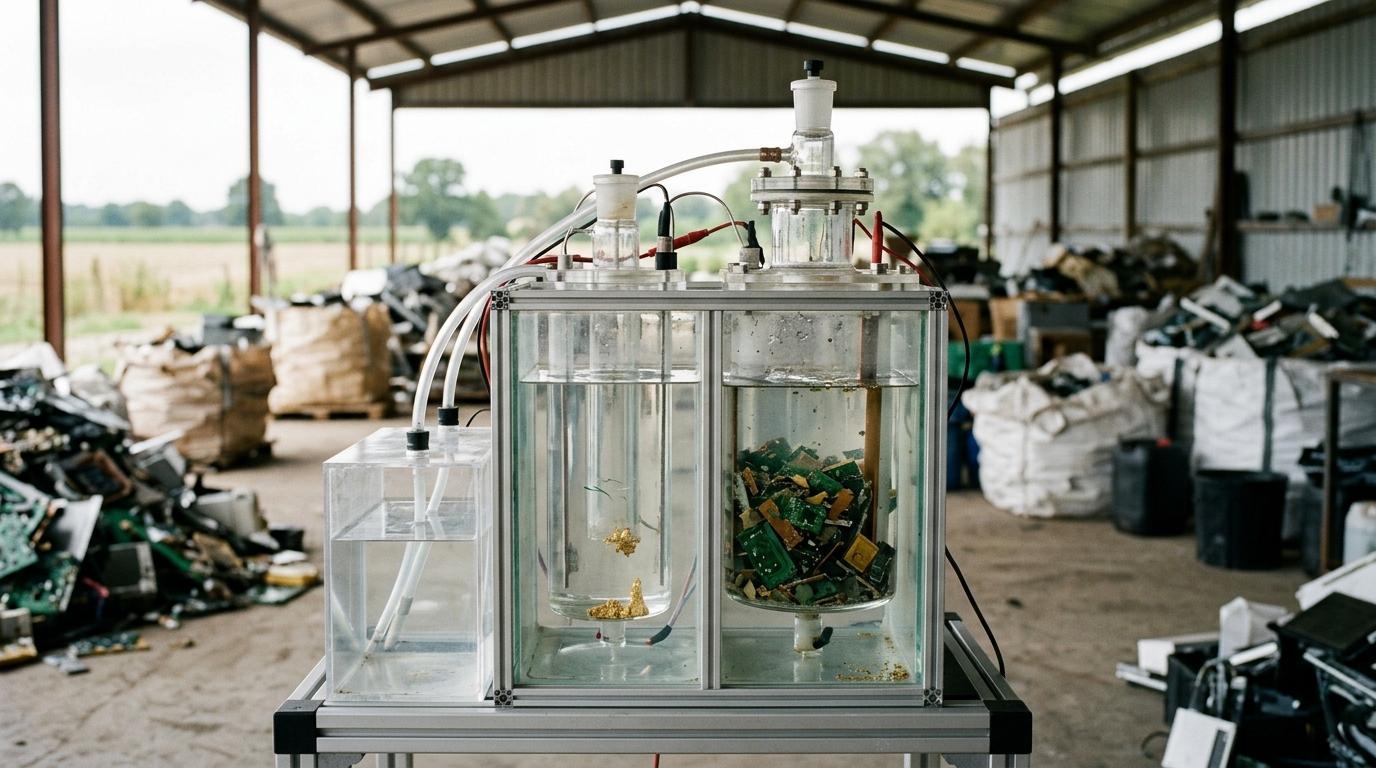
Scientists have developed a method that recovers up to 89% of gold from electronic waste using electricity and minimal chemicals, significantly reducing environmental impact while increasing efficiency in recycling e-waste.
Last reviewed by Samantha Holloway on 30 August 2026
As reported by Earth.com on August 21, 2026, this new technique represents a major leap forward for tech sustainability by addressing the significant challenge of recovering valuable metals like gold from complex circuit boards. This breakthrough is important because it not only enhances the economic viability of electronic waste processing but also drastically cuts down on toxic chemical usage.
The process involves applying an electric current to e-waste, which selectively dissolves precious metals without affecting other components. For context, a million phones contain about 35kg of gold and 15kg of palladium, highlighting how valuable these recoveries are for the recycling industry.
According to the Shift Project, manufacturing a new smartphone produces 50-80kg of co2 equivalent.
How Does This Affect Electronics Recycling?
This advancement directly impacts electronics recycling by making it more cost-effective and environmentally friendly. Traditional methods often use harsh chemicals that can leach into soil and waterways, posing significant risks to ecosystems.
The new technique uses up to 100 times fewer chemicals compared to conventional methods, reducing the environmental footprint of e-waste processing dramatically. This efficiency is vital given the global scale of electronic waste production-62 million tonnes annually according to the UN Global E-Waste Monitor 2024-and only 22.3% of that waste being formally recycled worldwide.
According to the World Economic Forum, e-waste is the fastest-growing waste stream globally.
What Are the Benefits for Tech Sustainability?
The benefits extend beyond just gold recovery; this method paves the way for more sustainable practices in tech sustainability by reducing reliance on environmentally harmful chemicals and increasing the yield of valuable materials from e-waste streams. This approach aligns well with global initiatives such as the EU's WEEE Directive, which sets collection targets to ensure that a substantial portion of electronics are properly recycled.
this method supports urban mining efforts, where discarded tech is seen as an untapped resource for rare and precious metals. Given that an average smartphone contains over 60 different elements, including critical materials like lithium and cobalt, efficient recovery techniques become even more important.
According to the Apple Environmental Report 2024, apple recovered over 1 tonne of gold from recycled devices in 2023.
How Can Consumers Contribute?
Consumers play a key role in supporting sustainable electronics practices by ensuring their devices are responsibly recycled when no longer needed. Initiatives like the right to repair encourage consumers to extend the lifespan of electronic products through repair rather than replacement.
educating oneself about e-waste and understanding regulations such as WEEE can help individuals to make informed decisions that support environmentally friendly recycling programs. By choosing certified recyclers who adhere to strict environmental standards, consumers can help mitigate pollution from improper disposal practices.
What Are the Next Steps for Recycling Companies?
For recycling companies, embracing technologies like this gold recovery method represents a strategic shift towards more sustainable operations. Investing in such innovative solutions not only enhances their reputation but also improves profitability by tapping into higher value materials more efficiently.
collaboration with tech manufacturers to design products that facilitate easier and cleaner recycling processes will further enhance the circular economy for electronics. By working together, these companies can reduce waste and pollution while extracting maximum value from end-of-life devices.
In summary, this breakthrough in e-waste recovery technology marks a significant step towards more sustainable practices within the electronics industry. As we continue to generate vast amounts of electronic waste globally-such as the 6.92 million tonnes produced annually by the US-the adoption of cleaner and more efficient recycling methods becomes increasingly urgent for both environmental protection and economic benefits.
For further information on e-waste, visit our glossary page or explore guides on specific topics like right to repair and circular economy principles.
Sources
- Shift Project
- World Economic Forum
- Apple Environmental Report 2024