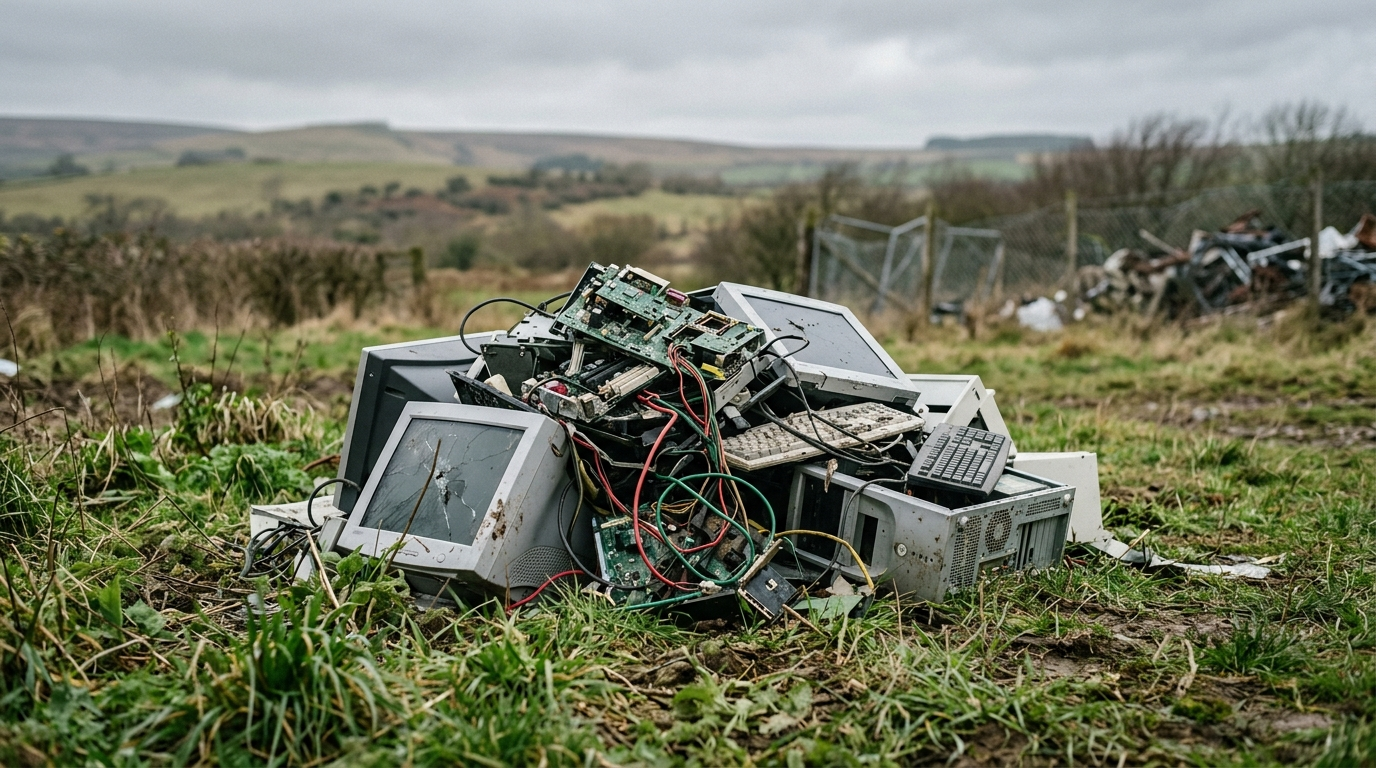
The UK Environment Agency released heat maps showing waste crime reports in England, highlighting hotspots for unregulated e-waste disposal and illegal dumping. electronics recycling This development is important because it helps identify areas most at risk of environmental harm due to improper handling of electronics.
Last reviewed by Samantha Holloway on 02 September 2026
What Are the Key Insights From These Heat Maps?
These heat maps show that certain regions in England are experiencing a higher volume of waste crime reports, indicating potential issues with unregulated e-waste disposal and illegal dumping. For instance, London reported nearly 20% of all UK waste crime incidents last year, highlighting the need for stringent enforcement measures.
As of September 2026, the maps reveal specific locations where electronics recycling and hazardous material handling may be compromised by criminal activities. According to the Environment Agency, these reports are important in identifying areas needing increased surveillance and regulation to prevent environmental damage from improperly discarded e-waste.
According to the Shift Project, manufacturing a new smartphone produces 50-80kg of co2 equivalent.
How Does This Affect Electronics Recycling?
Electronics recycling efforts in affected regions face significant challenges due to illegal dumping and waste crime. For example, if a large quantity of electronics is dumped illegally, it can lead to toxic substances leaching into the environment, posing health risks to local populations and wildlife. Proper disposal methods must be enforced more rigorously.
The heat maps provide data-driven insights that help authorities focus their efforts on high-risk areas where electronics recycling facilities may lack oversight or capacity. This targeted approach is vital for maintaining compliance with regulations such as the WEEE Directive in Europe, which mandates proper handling and disposal of electrical and electronic equipment.
What Are Some Examples of Waste Crime Incidents Reported?
Incidents range from unlicensed waste carriers dumping e-waste to falsified recycling certificates issued by non-compliant facilities. For instance, one case involved a company falsely claiming that over 100 tonnes of electronic scrap had been recycled when it was actually stockpiled in a warehouse.
These reports are compiled through public tips and investigative work by the Environment Agency. By identifying these incidents, authorities can take action to shut down operations violating environmental laws and ensure safer disposal practices for e-waste. This not only protects the environment but also supports legitimate electronics recycling companies that adhere to proper standards.
How Can Individuals Help Combat Waste Crime?
Individuals play a critical role in combating waste crime by reporting suspicious activities related to e-waste disposal. For example, if someone notices a large amount of
electronic waste being dumped illegally or sees unlicensed vehicles transporting such materials without proper documentation, they should report it immediately to the Environment Agency.
By staying informed about local regulations and supporting certified recycling facilities through responsible disposal practices, consumers contribute to reducing environmental harm caused by illegal dumping and improper handling of e-waste. This collective effort is important for promoting sustainable electronics management practices.
According to the World Economic Forum, e-waste is the fastest-growing waste stream globally.
What Should Electronics Recycling Companies Do Now?
Electronics recycling companies should review their compliance procedures and ensure adherence to all relevant regulations such as the WEEE Directive in Europe or similar legislation in other regions like Australia and the US. They must also invest in transparent reporting mechanisms and strong waste tracking systems to build trust with customers and regulators alike.
Companies can partner with environmental agencies to promote awareness campaigns about proper e-waste disposal methods, encouraging consumers to recycle their electronics responsibly through certified channels rather than contributing to illegal dumping hotspots identified by heat maps.
What Are the Broader Implications for Global E-Waste Management?
The insights from these heat maps have broader implications for global e-waste management strategies. With an estimated 62 million tonnes of electronic waste generated worldwide annually, according to the UN Global E-Waste Monitor (2024), effective regulation and enforcement are critical.
Countries need to collaborate on setting uniform standards for e-waste disposal and recycling practices to prevent illegal trafficking across borders. By adopting circular economy principles and promoting urban mining initiatives, nations can maximize resource recovery from discarded electronics while minimizing environmental impact.
Conclusion
The release of these heat maps serves as a stark reminder of the ongoing challenges in managing electronic waste responsibly. As more data becomes available through such reports, stakeholders-from consumers to governments-can work together towards safer, sustainable e-waste disposal practices that protect our environment and public health.
For those interested in learning more about recycling batteries safely, visit this guide. To understand the complexities of solar panel recycling, check out our full guide on solar panel recycling.
According to the Apple Environmental Report 2024, apple recovered over 1 tonne of gold from recycled devices in 2023.
By staying informed and taking proactive steps, everyone can contribute to a cleaner future for our planet.
Sources
- Shift Project
- World Economic Forum
- Apple Environmental Report 2024