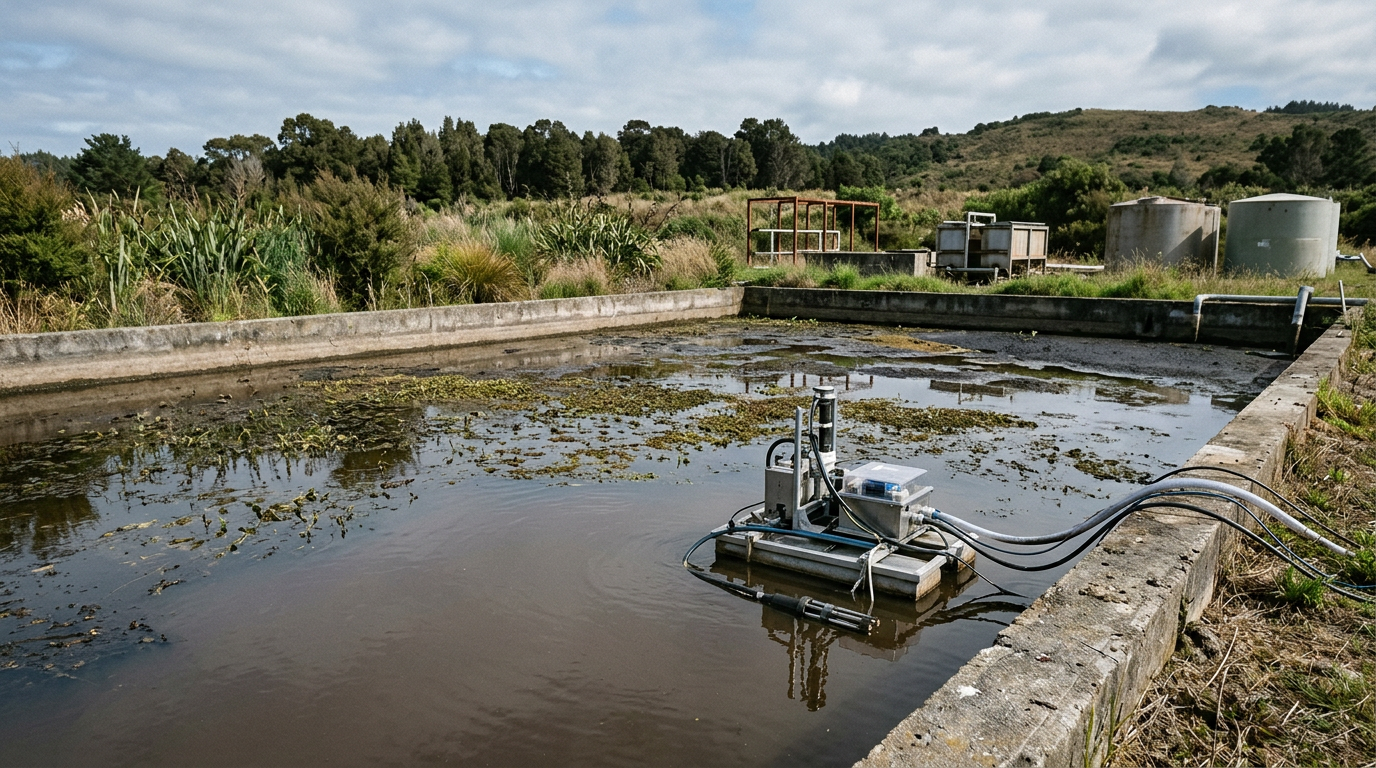
The UK Environment Agency released a study in July 2026 examining how medical radionuclides separate themselves within wastewater systems, highlighting potential implications for the handling of hazardous materials like those found in electronics waste.
Last reviewed by Samantha Holloway on 31 July 2026
What Is the New Study About?
The study investigates how radionuclides behave in wastewater environments. electronics recycling It focuses on separating these substances across different parts of the system to prevent contamination and ensure safe disposal practices.
This research is important because it sheds light on proper waste management techniques, which can be applied to e-waste recycling processes. With 62 million tonnes of global e-waste generated annually (UN Global E-Waste Monitor 2024), understanding how hazardous materials separate in water systems helps prevent environmental contamination from improperly disposed electronics.
According to the World Economic Forum, e-waste is the fastest-growing waste stream globally.
How Does This Affect Electronics Recycling?
The study provides critical insights into separating and managing hazardous substances like radionuclides, which can also be present in e-waste. By knowing how these elements behave in wastewater, recycling facilities can better control their disposal processes to avoid groundwater pollution.
For example, the 22.3% formal global recycling rate (UN Global E-Waste Monitor 2024) indicates a significant need for improved handling methods that prevent hazardous substances from entering water systems.
What Are the Key Findings?
The study found that radionuclides tend to accumulate in specific areas of wastewater treatment plants, which can be isolated and treated separately. This discovery helps identify effective techniques for managing such materials before they reach natural water sources.
Understanding these behaviors allows recycling centers to implement targeted filtration systems, reducing the risk of contamination from e-waste components like lead or cadmium found in circuit boards.
Why Is Proper E-Waste Management Important?
Proper management is vital because it prevents pollution and conserves valuable resources. For instance, one million smartphones contain 35kg of gold and 340kg of silver (Bloomberg), highlighting the economic incentive for recycling rather than discarding electronics.
with an annual generation rate of 6.92 million tonnes in the US alone (UN Global E-Waste Monitor 2024), effective e-waste management is important to maintain environmental health and resource sustainability.
According to the Apple Environmental Report 2024, apple recovered over 1 tonne of gold from recycled devices in 2023.
What Are Some Practical Steps Individuals Can Take?
To support responsible recycling, individuals should:
- Use certified electronics recyclers.
- Participate in local collection events.
- Learn about the [right-to-repair](/guides/right-to-repair-what-it-means) laws to extend product lifespans.
By taking these steps, consumers can contribute significantly to reducing environmental harm and ensuring that valuable materials are reused rather than discarded.
Sources
- World Economic Forum
- Apple Environmental Report 2024
- BankMyCell 2024