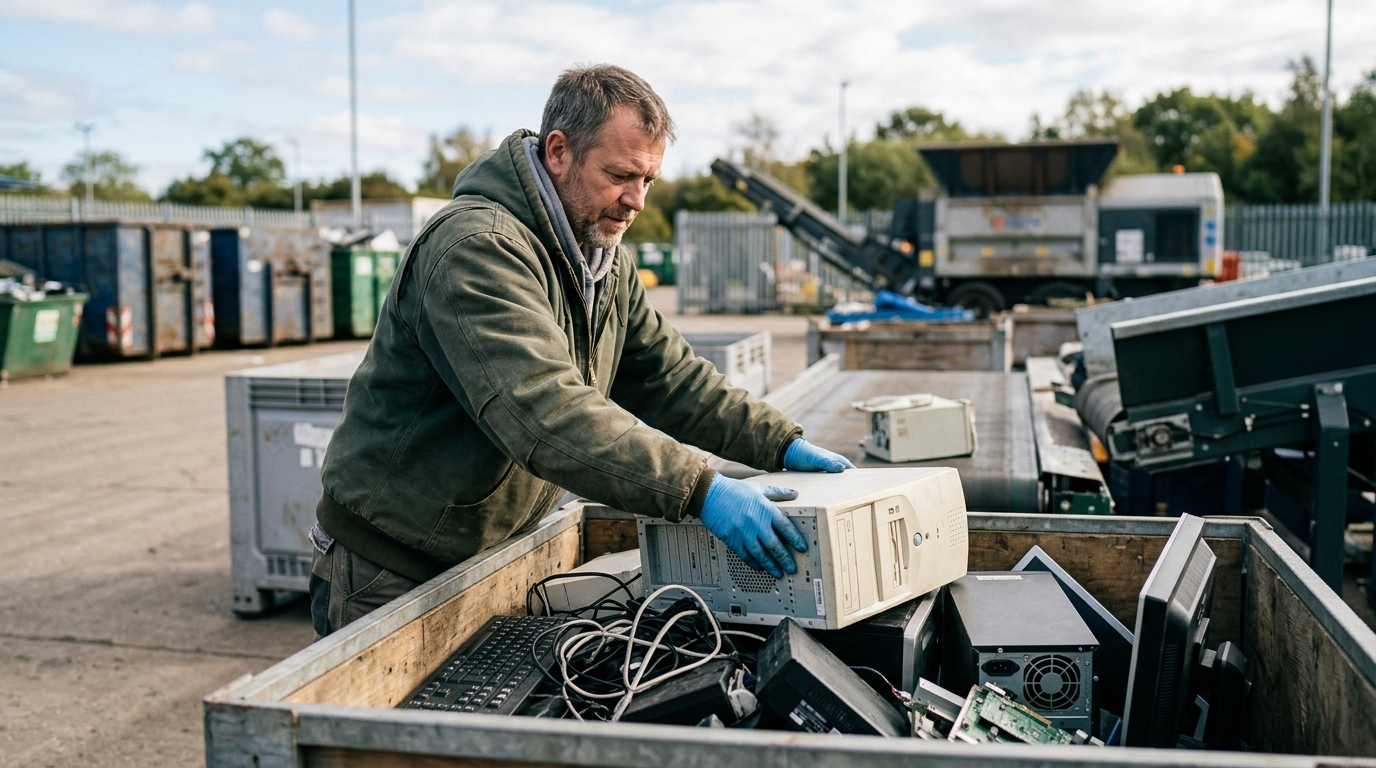
The upcoming electronics recycling day in Lawrence, scheduled for August 18, 2026, highlights the importance of responsible e-waste disposal and recovery as global e-waste reaches alarming levels. This event provides a critical opportunity to recycle old tech safely and sustainably.
Last reviewed by Samantha Holloway on 02 August 2026
Why Is Electronics Recycling Important Today?
Electronics recycling is important today because it helps recover valuable materials from discarded devices while reducing environmental pollution. With 62 million tonnes of e-waste generated globally each year, proper disposal becomes important. In Lawrence, the event aims to collect obsolete gadgets like smartphones and computers, which can contain precious metals such as gold, silver, and palladium.
According to the UN Global E-Waste Monitor 2024, The world generated 62 million tonnes of e-waste in 2022, up 82% from 2010.
The global rise in e-waste has led to increased regulations aimed at reducing electronic waste and promoting recycling. For instance, the European Union's WEEE Directive sets targets for collecting a minimum of 65% of all electronics placed on the market, ensuring that more devices are recycled rather than discarded improperly. Similarly, initiatives like urban mining highlight the importance of recovering precious materials from old gadgets.
What Are the Benefits of Participating in Electronics Recycling Events?
Participating in events like Lawrence's electronics recycling day can significantly reduce environmental harm and recover valuable resources. For example, one million smartphones contain approximately 35kg of gold and 340kg of silver, which can be reused if devices are recycled properly.
According to the European Parliament, less than 1% of rare earth elements in e-waste are currently recycled.
Lawrence's event also offers a chance for residents to learn about the latest recycling technologies and practices. By bringing old gadgets to the collection point, individuals contribute directly to reducing landfill waste and greenhouse gas emissions associated with manufacturing new products from raw materials. This approach supports the circular economy model, which aims to keep resources in use for as long as possible.
How Can Individuals Ensure Their E-Waste Is Recycled Responsibly?
Individuals can ensure their e-waste is recycled responsibly by choosing certified recycling facilities that adhere to environmental and safety standards. In Lawrence, participants should verify that the collection event works with accredited recyclers who follow best practices set out in regulations such as the Basel Convention and RoHS.
According to the WEEE Forum, over 5 billion mobile phones were estimated to be sitting unused in drawers worldwide in 2022.
Certified recyclers not only handle hazardous materials safely but also ensure data security when dealing with devices like laptops and smartphones. By dropping off old electronics at designated collection points or arranging for pickup from certified companies, residents can have peace of mind knowing their waste is being managed responsibly.
What Are the Legal Requirements for Businesses Regarding E-Waste?
Businesses face legal requirements to manage e-waste responsibly under various regulations. For example, in the EU, businesses must comply with the WEEE Directive, which mandates them to collect and recycle a specific percentage of electronic products they sell or distribute. Companies need to register annually and provide proof of compliance.
In addition to these directives, many regions require manufacturers to implement take-back programs for end-of-life devices. This encourages a closed-loop system where companies are incentivized to design more sustainable electronics and facilitate recycling efforts.
How Does Recycling Impact the Circular Economy?
Recycling impacts the circular economy by facilitating the reuse of valuable materials from discarded electronics rather than relying on new raw material extraction, thereby reducing environmental impact. For instance, when smartphones are recycled, they yield precious metals like gold, silver, and copper that can be reused in manufacturing.
The circular economy model promotes a shift away from linear consumption patterns towards more sustainable practices such as repair, refurbishment, reuse, and recycling. At electronics recycling, this approach aligns with efforts to reduce waste and greenhouse gas emissions while conserving natural resources.
What Should You Do Now?
To start responsibly managing your e-waste, find out about local electronics recycling events or certified facilities in your area. Visit ecyclingcentral.com for more information on how to recycle specific items like batteries. Solar panels, and heat pumps safely and efficiently. By taking these steps, you contribute to a cleaner planet and support sustainable practices.
For those interested in learning more, check out our guides on [right-to-repair](/guides/right-to-repair-what-it-means), circular economy, and WEEE Directive to understand the broader context of electronics recycling.
Sources
- UN Global E-Waste Monitor 2024
- European Parliament
- WEEE Forum