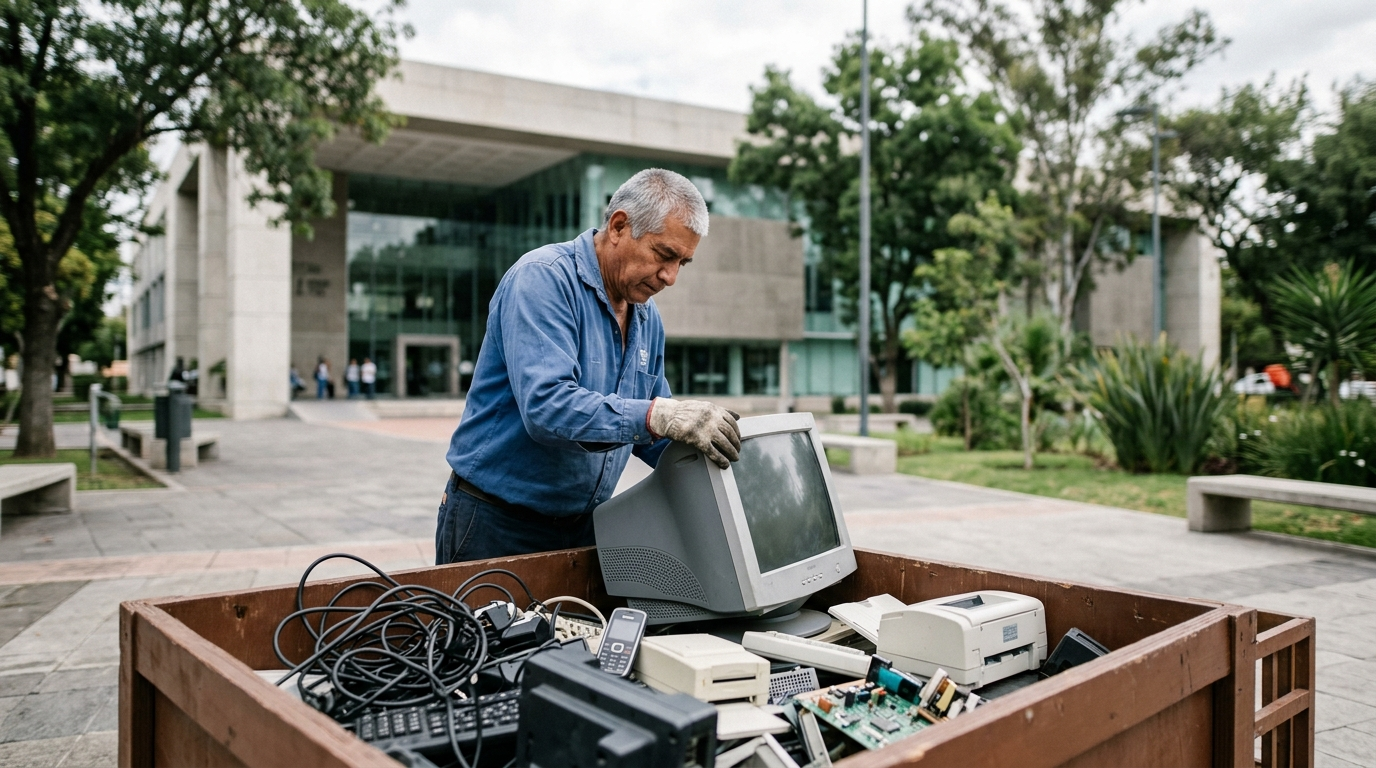
The Rec-olectrón campaign will begin its collection drive at the UdeG General Rectorate in September 2026, aiming to increase awareness and participation in e-waste recycling among university students and staff.
Last reviewed by Samantha Holloway on 05 September 2026
Tech sustainability has gained significant traction as more organizations worldwide recognize the environmental impact of electronic waste. The launch of Rec-olectrón in Guadalajara by Universidad de Guadalajara marks a critical step towards reducing harmful emissions and promoting responsible disposal practices locally.
How Does This Affect Electronics Recycling?
This campaign directly supports electronics recycling efforts by providing an accessible drop-off point for e-waste, encouraging more individuals to recycle their devices instead of discarding them in regular waste streams. It's part of broader tech sustainability initiatives globally. With the global generation of electronic waste expected to reach 62 million tonnes annually by 2024 according to the UN Global E-Waste Monitor, campaigns like Rec-olectrón play a important role in managing this growing issue.
Universidad de Guadalajara's initiative comes at a time when tech sustainability is becoming increasingly important. As of 2025, only 22.3% of e-waste worldwide is formally recycled, highlighting the urgent need for more collection drives like Rec-olectrón to boost recycling rates.
What Are the Key Components of Rec-olectrón?
Rec-olectrón focuses on collecting a wide range of electronic items from smartphones and laptops to printers and refrigerators. The campaign aims to educate participants about proper disposal methods and the benefits of urban mining. Participants can drop off their unwanted electronics at designated bins set up across campus. With specific collection days announced ahead of time. This ensures easy access for students and staff who might otherwise neglect recycling due to logistical challenges.
Universidad de Guadalajara partners with certified e-waste recyclers to process collected items responsibly. These recyclers adhere to strict guidelines such as the WEEE Directive in Europe or RoHS standards internationally, ensuring that hazardous materials are handled correctly. The campaign also aims to recover valuable resources from recycled electronics. For instance, 1 million phones contain around 35kg of gold and 340kg of silver, illustrating the potential economic benefits of recycling.
How Can Students and Staff Benefit?
Students and staff can benefit directly by reducing their environmental footprint through proper e-waste disposal. Additionally, they gain access to information on tech sustainability practices. By participating in Rec-olectrón, individuals learn about right-to-repair initiatives that help them with knowledge on how to fix rather than replace broken devices, promoting a circular economy.
Universidad de Guadalajara provides educational materials and workshops at the collection events. These sessions cover topics like planned obsolescence and highlight the importance of choosing repairable electronics over disposable ones. participants can receive advice on battery recycling for devices containing lithium-ion batteries, which pose specific safety concerns during disposal but hold significant value in urban mining efforts.
What Steps Can Be Taken to Support Tech Sustainability?
Individuals should start by ensuring they participate actively in local e-waste collection campaigns like Rec-olectrón. They can also advocate for more stringent tech sustainability policies within their communities. Supporting the circular economy involves purchasing repairable devices and demanding manufacturers adhere to stricter environmental standards.
Universidad de Guadalajara's initiative serves as a model for other educational institutions looking to implement similar programs. By adopting best practices from Rec-olectrón, these organizations can contribute significantly to global tech sustainability goals.
For those interested in getting involved or learning more about e-waste recycling and tech sustainability. Visiting resources on ecyclingcentral.com is highly recommended. These pages provide full guidance on topics such as right-to-repair initiatives ([right to repair](/guides/right-to-repair-what-it-means)). Urban mining practices (urban mining), and the WEEE Directive (WEEE). By staying informed and participating in local recycling efforts. Everyone can play a part in reducing e-waste and promoting tech sustainability.
According to the BankMyCell depreciation tracker, The average smartphone loses 35-45% of its trade-in value within the first year.
Sources
- BankMyCell depreciation tracker
- UNEP
- WHO