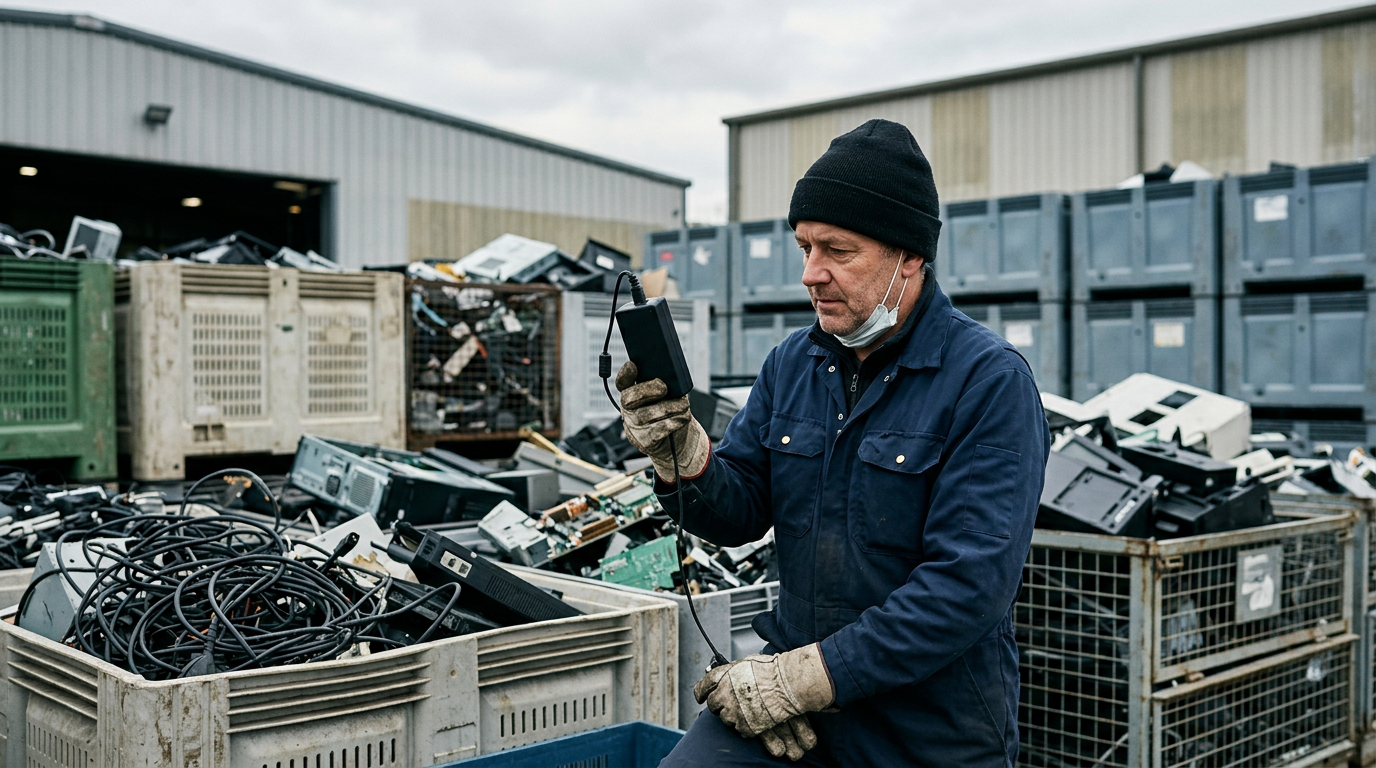
The UK Product Safety Alerts issued a report in September 2026 regarding the XINZHIZHU 42V 2A Charger (2607-0246), highlighting potential safety risks that could impact electronics recycling and e-waste management practices globally. This update highlights the importance of adhering to strict standards for charger quality and disposal, especially as global e-waste continues to grow.
Last reviewed by Samantha Holloway on 05 September 2026
What Does This Report Mean for Electronics Recycling?
This report means that any facility handling XINZHIZHU 42V 2A chargers must now assess these devices more rigorously. The risks highlighted can affect the safety of workers in recycling plants and may lead to stricter regulations on what types of electronics can be processed. With global e-waste projected at 62 million tonnes per year, ensuring that all items meet safety standards is critical.
Electronics recycling facilities must now implement additional checks for XINZHIZHU chargers or avoid processing them altogether to prevent potential hazards. This includes assessing the physical integrity and electrical safety of each unit before proceeding with disassembly and material recovery. The EU [WEEE Directive](/regulations/weee-directive-eu) aims for a 65% collection rate. Making it even more imperative that all recycled electronics comply with strict quality standards.
According to the Apple Environmental Report 2024, apple recovered over 1 tonne of gold from recycled devices in 2023.
How Does This Affect E-Waste Management?
The report directly affects e-waste management by mandating stricter scrutiny of incoming items. Facilities must verify the safety and compliance of each device, particularly chargers like XINZHIZHU's 42V 2A model. For instance, if a charger is found to be faulty or non-compliant with safety regulations, it can't enter the recycling stream.
The EU WEEE Directive requires member states to collect 65% of all electronics placed on their markets by weight. This directive emphasizes the need for thorough checks and proper documentation throughout the e-waste management process, ensuring that potentially dangerous items don't reach the market or end up in informal disposal channels where they could cause harm.
What Are the Legal Implications for Recyclers?
Recyclers face legal implications if they fail to adhere to safety guidelines set by regulatory bodies such as the EU WEEE Directive and
RoHS. Non-compliance can result in hefty fines, loss of certification, and damage to reputation. For instance, a facility found processing non-compliant XINZHIZHU chargers could be subject to audits and penalties.
Recyclers must also comply with environmental regulations that govern the disposal and recycling of hazardous materials like batteries and circuit boards. The RoHS directive restricts the use of certain hazardous substances in electronics production, affecting how these items are processed during recycling. Ensuring compliance reduces legal risks and enhances operational efficiency.
How Can Consumers Stay Informed?
Consumers can stay informed by checking product safety alerts from their local regulatory bodies and avoiding counterfeit or non-compliant products. They should also look for certification marks like RoHS on chargers and other electronic accessories they purchase, ensuring these items meet industry standards before disposal.
Educating oneself about the importance of proper e-waste handling through resources such as the WEEE Directive can help individuals to make informed choices that support sustainable practices. By choosing certified recyclers and participating in take-back programs, consumers play a important role in promoting responsible electronics recycling.
According to the BankMyCell 2024, iPhones retain trade-in value better than Android phones, losing ~40% in year 1 vs ~55%.
What Should You Do Now?
To ensure you handle e-waste responsibly, start by reviewing the safety alerts for any products you currently own or plan to recycle. Look up certification marks like RoHS and WEEE compliance labels on your devices before discarding them. Additionally, seek out certified recyclers in your area who adhere strictly to relevant regulations.
By taking these steps, you contribute to a safer and more sustainable approach to e-waste management, reducing the risk of environmental contamination and protecting public health. For further guidance on recycling specific items like lithium batteries or solar panels, visit our guides on [lithium battery safety handling](/guides/lithium-battery-safety-handling-storage-disposal) and [solar panel recycling](/guides/solar-panel-recycling-complete-guide).
Sources
- Apple Environmental Report 2024
- BankMyCell 2024
- Royal Society of Chemistry