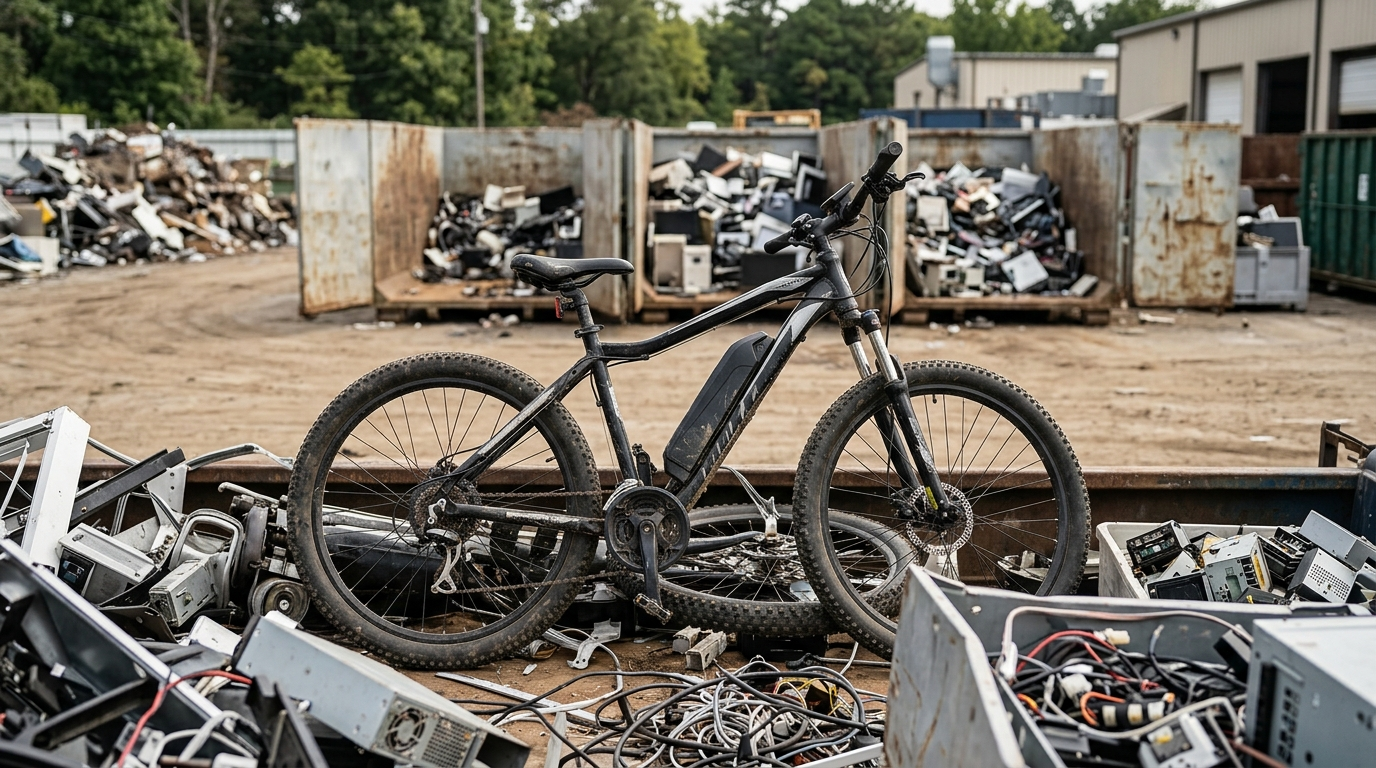
The UK Health and Safety Executive recently issued a safety alert regarding the Wu Xi Dpower Electronic Co Ltd Electric Mountain Bike (model 2606-0260), warning of potential fire hazards due to faulty batteries. This matters for electronics recycling because it highlights the risks associated with improperly recycled or disposed-of lithium-ion batteries.
Last reviewed by Samantha Holloway on 18 August 2026
What Is the Concern With This Model?
The concern centers on the battery pack, which can overheat and catch fire during charging or while in use. The recall affects 400 units sold between January and August 2026 across the UK. To address this issue, customers are advised to stop using the bikes immediately and return them for a free repair.
How Does This Affect Electronics Recycling?
This incident highlights the need for rigorous safety checks during electronics recycling processes, especially concerning batteries. As
e-waste increases globally-projected at 62 million tonnes/year by 2024-it becomes increasingly critical to handle devices safely and responsibly. The improper disposal of lithium-ion batteries can lead to fires or toxic emissions, endangering workers and the environment.
What Regulations Are in Place?
Several regulations govern electronics recycling internationally. In Europe, the
WEEE Directive mandates that 65% of
electronic waste be collected by 2030, ensuring a higher percentage is recycled safely. Similarly, the RoHS directive restricts the use of hazardous substances in electrical and electronic equipment, making it safer to recycle these products.
What Are Consumers Expected To Do?
Consumers should take proactive steps like checking for recalls or safety alerts before purchasing electronics and disposing of old devices responsibly. Recycling centers can help by offering safe disposal options that adhere to regulatory standards. For example,
battery recycling facilities must follow strict guidelines to prevent fires and environmental damage.
What Should Electronics Recyclers Do Now?
Recyclers should enhance their safety protocols and invest in proper equipment for handling batteries safely. Training staff on the latest safety measures is important given the increasing prevalence of lithium-ion batteries in devices like electric bikes, smartphones, and laptops. By doing so, recyclers can mitigate risks and contribute to more sustainable practices.
What Can Manufacturers Do?
Manufacturers should improve product design to reduce fire hazards and make products easier to recycle. This includes using safer battery technologies and designing products for longer life spans or easy repairability. Initiatives like the
right-to-repair laws encourage manufacturers to create devices that can be repaired rather than replaced, reducing waste.
Urban mining-reclaiming valuable materials from discarded electronics-is becoming more critical as natural resources deplete. Properly recycled lithium-ion batteries can yield significant amounts of valuable metals; a million smartphones contain about 35kg of gold and 340kg of silver. Ensuring that recycling practices are safe enhances the viability of urban mining.
Conclusion
The Wu Xi Dpower Electronic Co Ltd recall serves as a reminder of the importance of safety in electronics recycling. By adhering to regulations like WEEE and RoHS, enhancing recycling protocols, supporting right-to-repair initiatives, and embracing sustainable practices such as urban mining, all stakeholders can work together to make electronic waste management safer and more efficient.
For more information on e-waste, battery recycling, and related topics, visit our full guides on ecyclingcentral.com.
Sources