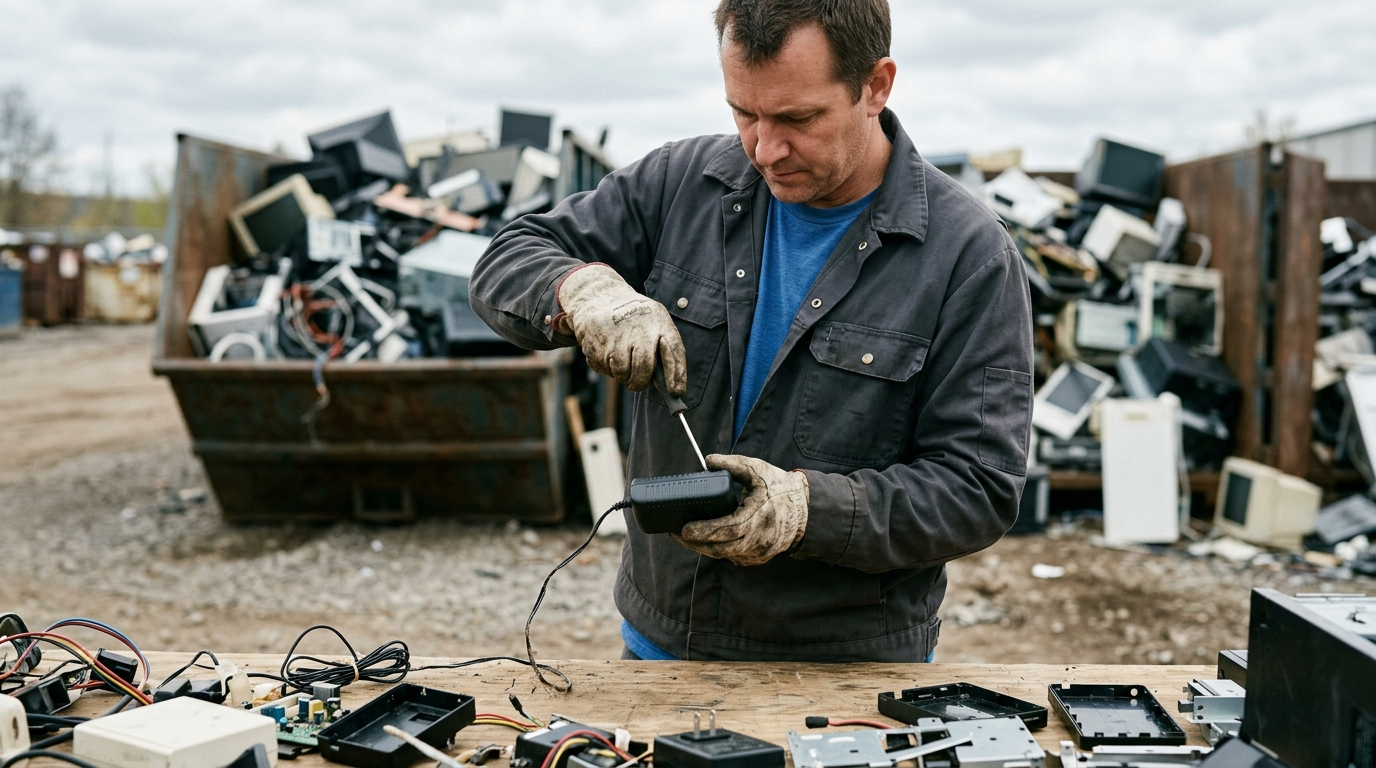
The UK Product Safety Alerts reported that Teashow's battery charger for children's e-bikes, sold via Amazon in August 2026, is being recalled due to safety concerns. This affects electronics recycling because it highlights the ongoing issue of hazardous products entering the market and complicates responsible disposal practices.
Last reviewed by Samantha Holloway on 22 August 2026
What Is the Main Issue with the Teashow 6V Battery Charger?
The main issue with the Teashow 6V battery charger for children's e-bikes is that it poses a fire risk. The charger can overheat, which increases the likelihood of a dangerous situation. This recall involves around 500 units sold in the UK.
How Does This Affect Electronics Recycling?
This recall affects electronics recycling because hazardous items like faulty chargers can end up in waste streams, complicating efforts to safely manage and recycle
e-waste. Electronic devices with defects or that are recalled must be handled carefully to prevent harm during disposal processes.
What Are the Risks of Improper Disposal of Recalled Devices?
Improperly disposing of recalled devices like the Teashow charger increases risks for both individuals and recycling facilities. For instance, a faulty battery charger can start fires if not stored or disposed of correctly. In 2024, over 62 million tonnes of e-waste were generated globally, with only 22.3% being formally recycled.
What Should Consumers Do If They Have This Charger?
Consumers should immediately stop using the recalled Teashow battery charger and contact the company for a refund or replacement via their customer service line. It's important to keep such devices out of general waste streams to prevent potential hazards during recycling processes.
How Can Manufacturers Ensure Safer Products Enter the Market?
Manufacturers must rigorously test products before release, adhering to safety standards like those outlined in the UK's
[WEEE Directive](/regulations/weee-directive-eu) and
RoHS regulations. By ensuring compliance with these guidelines, manufacturers can reduce risks associated with faulty devices entering circulation.
What Are Consumers' Rights Regarding Recalled Electronics?
Consumers have rights under various consumer protection laws that entitle them to refunds or replacements for recalled products. In the EU, for example, consumers are entitled to a full refund if a product poses significant risk or doesn't meet safety standards, as per Article 2 of the WEEE Directive.
What Impact Does This Recall Have on Environmental Regulations?
This recall highlights the importance of stringent environmental regulations like the UK's WEEE Directive and RoHS legislation. These laws help manage waste streams better by mandating proper disposal practices for electronic devices. The EU aims to collect 65% of electronics placed on the market, a goal aimed at reducing e-waste in landfills.
What Steps Should Recycling Facilities Take?
Recycling facilities should ensure they have protocols in place to handle potentially dangerous items like recalled battery chargers safely. This includes segregating such items and following manufacturer instructions for disposal or return processes to prevent hazards.
How Can Consumers Stay Informed About Recalls?
Consumers can stay informed about product recalls by regularly checking official government websites dedicated to product safety alerts, subscribing to newsletters from electronics manufacturers, and staying updated with local news related to consumer products. Additionally, signing up for alerts through organizations like the UK's Product Safety Alerts helps keep consumers aware of any risks associated with their electronic devices.
In summary, the recall of Teashow's 6V battery charger highlights critical issues in product safety and responsible recycling practices. Ensuring compliance with regulations and staying informed about recalls are key steps to protecting both individual users and the environment from hazardous e-waste. Consumers should return recalled items promptly to manufacturers or authorized distributors for safe disposal, adhering strictly to guidelines set forth by organizations like the WEEE Directive and RoHS standards.
Sources
- Apple Environmental Report 2024
- BankMyCell 2024
- Royal Society of Chemistry