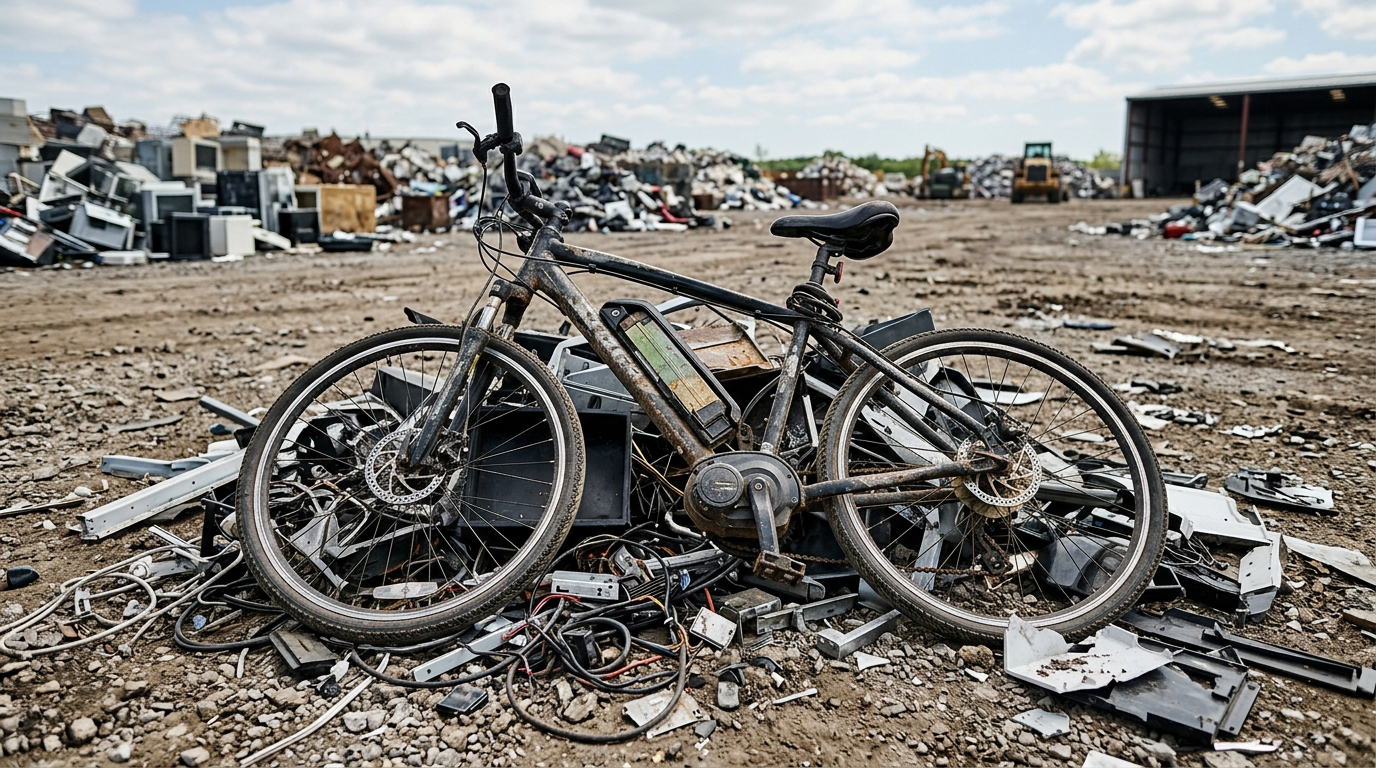
The UK Product Safety Alerts issued a report on July 1, 2026, regarding the Q.ik Pilot X7 E-Bike (2606-0217). This report highlights safety concerns that affect the responsible disposal and recycling of electronics.
Last reviewed by Samantha Holloway on 04 July 2026
What Does the Report Say About the Q.ik Pilot X7 E-Bike?
The Product Safety Report: Q.ik Pilot X7 E-Bike (2606-0217) outlines specific design flaws that can lead to overheating, posing a significant fire risk. The report also states that batteries in these bikes contain hazardous materials like lithium and cobalt.
Consumers must be aware of the risks associated with improper disposal or recycling of this e-bike model. Overheated batteries not only pose an immediate danger but also contaminate other recyclable materials if mishandled.
According to the UN Global E-Waste Monitor 2024, The value of raw materials in global e-waste was estimated at $91 billion in 2022.
How Does This Affect Electronics Recycling?
This report directly impacts the process of electronics recycling because it identifies specific components that can be dangerous during dismantling and processing. For instance, lithium-ion batteries need specialized handling to prevent fires or toxic emissions during disposal.
Recyclers must adhere to strict safety protocols when dealing with affected e-bikes. According to the Basel Convention guidelines, hazardous materials like those in Q.ik Pilot X7 E-Bike batteries require careful segregation from other recyclables to avoid environmental contamination.
What Are the Legal Implications for Recyclers?
The
WEEE Directive sets legal standards for the safe disposal and recycling of
electronic waste across EU countries. The directive mandates that all
e-waste, including problematic items like the Q.ik Pilot X7 E-Bike, must be handled according to specific safety measures.
Violations can result in hefty fines or even closure orders if non-compliance endangers public health or the environment. Recyclers need to ensure they comply with these regulations to avoid legal repercussions and maintain operational integrity.
What Should Consumers Do?
Consumers should return their Q.ik Pilot X7 E-Bikes to authorized service centers for proper repair or disposal as per the Product Safety Report guidelines. This ensures that hazardous components are managed safely, reducing environmental risks.
consumers can check with local authorities about recycling programs specifically designed for e-bike batteries. Many cities have established such initiatives in line with circular economy principles to promote sustainable waste management.
According to the Shift Project, manufacturing a new smartphone produces 50-80kg of co2 equivalent.
What Steps Should Recyclers Take?
Recycling facilities should invest in training staff on how to handle and dispose of hazardous materials safely. Specialized equipment is necessary to dismantle e-waste like the Q.ik Pilot X7 E-Bike without causing harm or environmental damage.
recyclers must establish partnerships with manufacturers for take-back programs that facilitate safe recycling practices. These initiatives can help recover valuable metals and prevent toxic waste from entering landfills.
By adhering to these guidelines and building a culture of responsible e-waste management, both consumers and recyclers play important roles in protecting public safety and environmental health.
According to the World Economic Forum, e-waste is the fastest-growing waste stream globally.
For more information on how to recycle electronics safely and sustainably, check out our guides on [right-to-repair](/guides/right-to-repair-what-it-means), circular economy, and WEEE Directive compliance.
Sources
- UN Global E-Waste Monitor 2024
- Shift Project
- World Economic Forum